Managing Hormonal Acne

Hormonal Acne

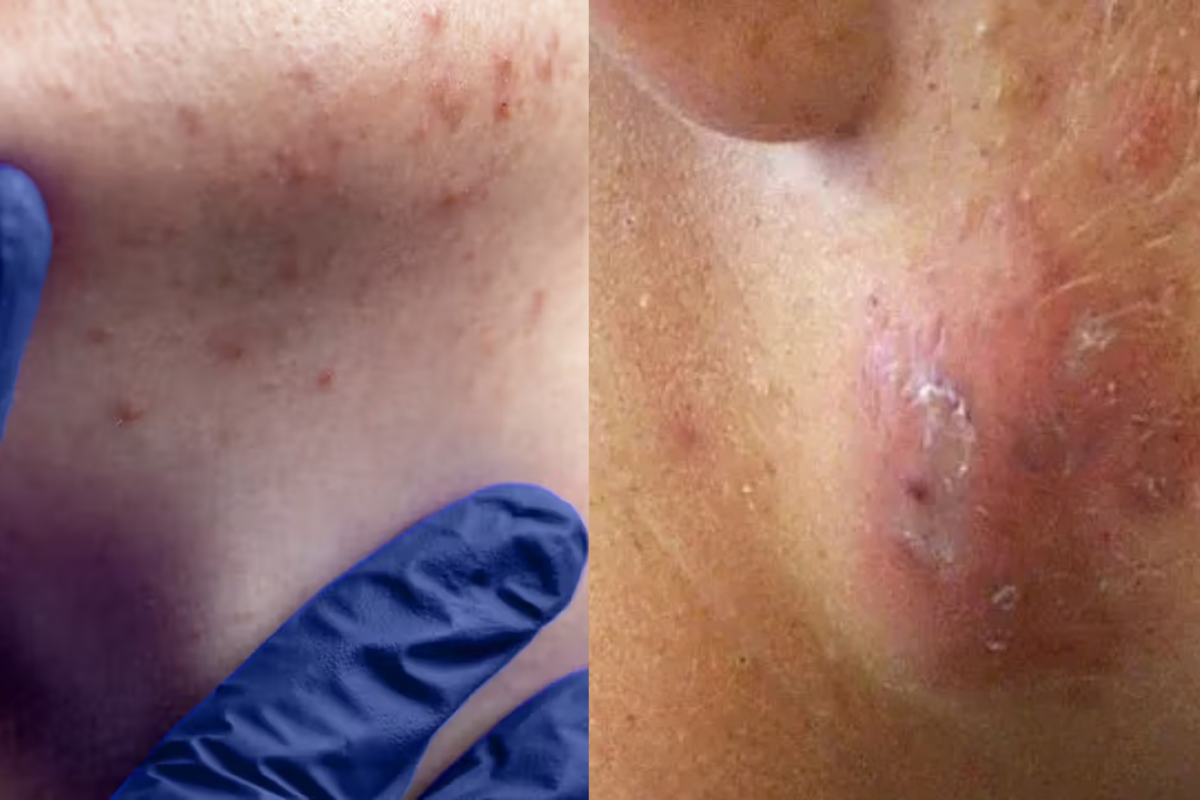
Acne is often associated with teenage years, but for many people, breakouts continue well into adulthood. One of the most common types of adult acne is hormonal acne - a condition closely linked to fluctuations in hormone levels. From painful cysts along the jawline to recurring breakouts before a menstrual cycle, hormonal acne can be frustrating and emotionally draining. 


What Is Hormonal Acne?

Hormonal acne occurs when hormonal fluctuations increase oil (sebum) production in the skin. Excess oil mixes with dead skin cells and bacteria, clogging pores and causing inflammation. Unlike typical teenage acne, hormonal acne often appears in adults between their 20s and 40s and tends to follow recurring patterns.

It commonly affects:

  • The lower face

  • Jawline

  • Chin

  • Neck

  • Sometimes the cheeks and back

Hormonal acne can range from mild whiteheads and blackheads to painful cystic acne deep beneath the skin.


What Causes Hormonal Acne?

Hormonal acne is primarily driven by androgens, a group of hormones that includes testosterone. When androgen levels fluctuate or become elevated, the sebaceous glands produce more oil, increasing the likelihood of clogged pores and inflammation.

Common Triggers Include:

1. Menstrual Cycles

Many women notice breakouts a week or two before their period due to shifts in estrogen and progesterone levels.

2. Polyendocrine Metabolic Ovarian Syndrome (PMOS) formerly known as Polycystic Ovary Syndrome (PCOS)

PMOS can cause excess androgen production, leading to acne, irregular periods, and excessive hair growth.

3. Pregnancy

Hormonal changes during pregnancy may either improve or worsen acne depending on the individual.

4. Stress

Stress triggers cortisol production, which may indirectly stimulate oil production and worsen breakouts.

5. Menopause

Declining estrogen levels during menopause can lead to hormonal imbalances that trigger adult acne.

6. Diet and Lifestyle

High-glycemic foods, dairy products, poor sleep, and smoking may contribute to inflammation and hormonal imbalance in some individuals.


Signs of Hormonal Acne

Hormonal acne often has distinct characteristics, including:

  • Deep, painful cysts

  • Recurring breakouts in the same areas

  • Acne concentrated around the jawline and chin

  • Flare-ups linked to menstrual cycles or stress

  • Oily skin and inflammation

Unlike surface pimples, hormonal acne lesions are often tender and slow to heal.


Effective Treatments for Hormonal Acne

Treating hormonal acne usually requires a combination of skincare, lifestyle changes, and sometimes medical intervention.

1. Topical Treatments

Retinoids

Retinoids help unclog pores, reduce inflammation, and speed up cell turnover.

Benzoyl Peroxide

This ingredient reduces acne-causing bacteria and inflammation.

Salicylic Acid

Salicylic acid penetrates pores to remove excess oil and dead skin cells.

2. Hormonal Therapy

Birth Control Pills

Certain oral contraceptives regulate hormone fluctuations and reduce oil production.

Spironolactone

This medication blocks androgen receptors and may be prescribed for women with hormonal acne.

3. Oral Medications

Antibiotics

Short-term antibiotics may reduce inflammation and bacteria in moderate to severe cases.

Isotretinoin

For severe cystic acne, isotretinoin may be recommended under medical supervision.

4. Lifestyle Changes

Manage Stress

Practices like meditation, exercise, and quality sleep may help balance hormones.

Improve Diet

Some people benefit from reducing sugar, processed foods, and dairy intake.

Maintain a Gentle Skincare Routine

Overwashing or harsh products can irritate the skin and worsen acne.


Best Skincare Routine for Hormonal Acne

A simple, consistent routine is often most effective.

Morning

  1. Gentle cleanser

  2. Lightweight moisturizer

  3. Non-comedogenic sunscreen

Night

  1. Cleanser

  2. Treatment product (retinoid or salicylic acid)

  3. Moisturizer

Avoid picking or squeezing acne lesions, as this increases the risk of scarring and pigmentation.


Seek medical advice if:
  • Acne leaves scars

  • Over-the-counter products are ineffective

  • Breakouts are severe or cystic

  • You have symptoms of hormonal imbalance such as irregular periods or hair loss

Hormonal acne is a complex condition influenced by internal hormonal changes and external lifestyle factors. While it can be stubborn, patience and consistency are key, as hormonal acne often takes several weeks or months to respond to treatment.

Clear skin is possible with the right approach. Call us at 6828826060 to schedule a primary care appointment or click on the SCHEDULE NOW button on the home page here at oasisrockmedical.com

Understanding Type 1.5 Diabetes (LADA): The Overlooked Form of Diabetes

LADA

When most people think of diabetes, they think of Type 1 or Type 2. But there’s another form that sits in between -often misunderstood and frequently misdiagnosed. It’s commonly called Type 1.5 diabetes, medically known as Latent Autoimmune Diabetes in Adults (LADA).
This blog breaks down what Type 1.5 diabetes is, how it differs from other types, symptoms to watch for, and treatment options.
What Is Type 1.5 Diabetes?
Type 1.5 diabetes is a slow-progressing autoimmune disease. Like Type 1 diabetes, the immune system attacks the insulin-producing beta cells in the pancreas. However, unlike classic Type 1, it develops gradually and typically appears in adulthood.
Because it progresses more slowly, many people are initially diagnosed with Type 2 diabetes.
Why Is It Called “Type 1.5”?
The nickname exists because LADA shares features of both major types:
Feature
Type 1
Type 2
Type 1.5 (LADA)
Autoimmune?
✅ Yes
❌ No
✅ Yes
Insulin resistance?
Sometimes mild
Age at diagnosis
Often childhood
Usually adults
Adults (30+)
Immediate insulin required?
Yes
Not always
Eventually yes
What Causes LADA?
LADA is an autoimmune condition. The body mistakenly attacks its own insulin-producing cells. Researchers believe a combination of:
  • Genetic susceptibility
  • Environmental triggers
  • Immune system dysfunction
may contribute to its development.
Organizations such as the American Diabetes Association recognize LADA as a distinct autoimmune form of diabetes.
Symptoms of Type 1.5 Diabetes
Symptoms may resemble Type 2 at first but gradually worsen.
Common signs include:
  • Increased thirst
  • Frequent urination
  • Unexplained weight loss
  • Fatigue
  • Blurred vision
  • Slow healing wounds
Because symptoms develop slowly, diagnosis can be delayed.
How Is It Diagnosed?
Doctors may suspect LADA if:
  • Blood sugar remains uncontrolled despite oral medications
  • The patient is not overweight
  • There is a personal or family history of autoimmune disease
Key Tests:
  • Autoantibody testing (such as GAD antibodies)
  • C-peptide levels (to measure insulin production)
  • Fasting glucose and HbA1c
The presence of specific autoantibodies confirms the autoimmune nature of the disease.
Treatment for Type 1.5 Diabetes
Unlike typical Type 2 diabetes, LADA eventually requires insulin therapy.
Early Stage:
  • Lifestyle changes (diet and exercise)
  • Sometimes oral medications
Later Stage:
  • Insulin injections (often within a few years of diagnosis)
Early insulin therapy may help preserve remaining beta-cell function.
Treatment plans should be individualized and monitored by an endocrinologist.
How Is It Different from Type 2 Diabetes?
Many adults with LADA are misdiagnosed with Type 2 because:
  • They are diagnosed after age 30
  • They may not initially require insulin
  • Symptoms progress gradually
However, treating LADA as Type 2 for too long can delay appropriate insulin therapy and lead to poor glucose control.
Living with LADA
Managing Type 1.5 diabetes involves:
  • Regular blood sugar monitoring
  • Balanced nutrition
  • Physical activity
  • Stress management
  • Consistent medical follow-ups
With proper care, individuals with LADA can live full, healthy lives.
Final Thoughts
Type 1.5 diabetes (LADA) highlights that diabetes is not a one-size-fits-all condition. Correct diagnosis is crucial for proper treatment. If blood sugar remains difficult to control despite typical Type 2 therapies, discussing antibody testing with a healthcare provider may be important.
Contact us to schedule an appointment at oasisrockmedical.com if you think that you are having any symptoms of diabetes or call us at 6828826060 to schedule an appointment. Remember understanding your diagnosis empowers you to take control of your health; and early action makes a meaningful difference. 

Blogmas Holiday Edition – A healthy way to close out the year

Day 6 - How can I avoid alcohol-related risks during parties?

Hi, I’m Dr. A of OasisRock Medical Centre, and welcome to our ‘Ask Dr. A’ Holiday Edition!’

"How can I avoid alcohol-related risks during parties?”

Drink responsibly, alternate alcoholic beverages with water, and avoid driving if you’ve consumed alcohol. Safety first!

Visit oasisrockmedical.com or call 682-882-6060 to schedule your next appointment today. Share this video and follow for more tips!

Blogmas Holiday Edition – A healthy way to close out the year

Day 5 - How can I practice mindful eating at holiday meals?

Hi, I’m Dr. A of OasisRock Medical Centre, and welcome to our ‘Ask Dr. A’ Holiday Edition!’

“How can I practice mindful eating at holiday meals?”

Eat slowly, savor flavors, and listen to your body’s hunger cues. Mindful eating helps prevent overeating and digestive discomfort.

Visit oasisrockmedical.com or call 682-882-6060 to schedule your next appointment today. Share this video and follow for more tips!

Blogmas Holiday Edition – A healthy way to close out the year

Day 4 - How can I avoid catching colds at gatherings?

Hi, I’m Dr. A of OasisRock Medical Centre, and welcome to our ‘Ask Dr. A’ Holiday Edition!

"How can I avoid catching colds at gatherings?"

Wash your hands frequently, avoid close contact with sick individuals, and keep surfaces clean. Simple precautions go a long way.

Visit oasisrockmedical.com or call 682-882-6060 to schedule your next appointment today. Share this video and follow for more tips!