Let’s talk Cholesterol

Cholesterol

Cholesterol is often viewed as something harmful, but the truth is more complex. It is a waxy, fat-like substance that plays a vital role in keeping your body healthy. Every cell in your body contains cholesterol, and it is essential for producing hormones, vitamin D, and substances that help digest food.

While cholesterol is necessary for normal body function, having too much of certain types can increase the risk of heart disease and stroke. 


What Is Cholesterol?

Cholesterol is a type of lipid (fat) that circulates in your bloodstream. Your body naturally produces most of the cholesterol it needs in the liver. The rest comes from the foods you eat, particularly those high in saturated and trans fats.


Types of Cholesterol

Low-Density Lipoprotein (LDL) – "Bad" Cholesterol

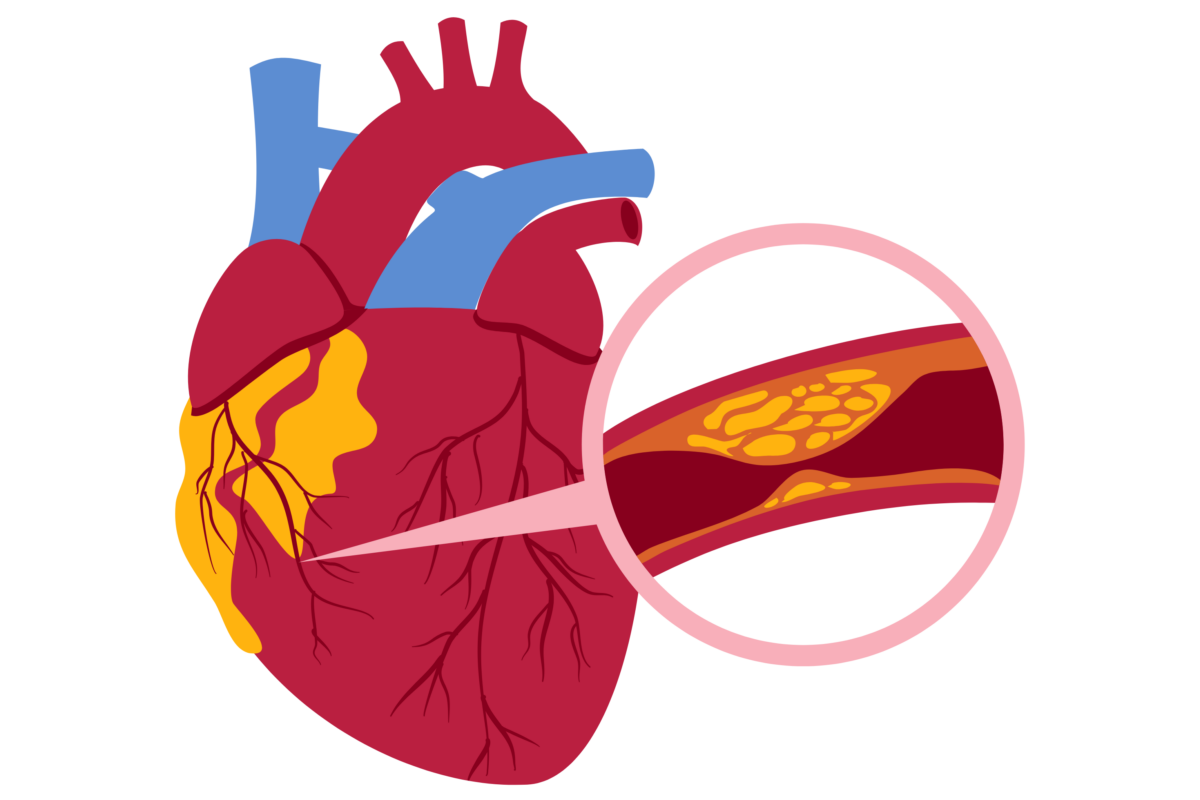
LDL cholesterol is often referred to as "bad cholesterol" because high levels can lead to the buildup of fatty deposits, known as plaque, inside your arteries. Over time, plaque narrows the arteries, making it harder for blood to flow. This condition, called atherosclerosis, increases the risk of:

  • Heart attack

  • Stroke

  • Peripheral artery disease

Lowering LDL cholesterol is a key goal in reducing cardiovascular risk.

High-Density Lipoprotein (HDL) – "Good" Cholesterol

HDL cholesterol is known as "good cholesterol" because it helps remove excess cholesterol from the bloodstream and carries it back to the liver, where it can be broken down and eliminated from the body.

Higher HDL levels are generally associated with a lower risk of heart disease.

Triglycerides

Although not a type of cholesterol, triglycerides are another important blood fat. High triglyceride levels, especially when combined with high LDL or low HDL, can further increase the risk of cardiovascular disease.


Why High Cholesterol Is a Concern

High cholesterol usually develops without causing noticeable symptoms. Many people are unaware they have elevated cholesterol until it is detected through a routine blood test.

If left untreated, high cholesterol can contribute to:

  • Coronary artery disease

  • Heart attack

  • Stroke

  • Reduced blood flow to the limbs

Because it is often symptom-free, high cholesterol is sometimes called a "silent risk factor."


Risk Factors for High Cholesterol

Several factors can increase cholesterol levels, including:

  • Diet high in saturated and trans fats

  • Lack of physical activity

  • Being overweight or obese

  • Smoking

  • Excessive alcohol consumption

  • Diabetes

  • Chronic kidney disease

  • Family history of high cholesterol

  • Increasing age

Some people inherit a genetic condition called familial hypercholesterolemia, which causes very high cholesterol levels even with a healthy lifestyle.


How Is Cholesterol Measured?

A lipid profile is a blood test used to measure cholesterol levels. It typically includes:

  • Total cholesterol

  • LDL cholesterol

  • HDL cholesterol

  • Triglycerides


How to Maintain Healthy Cholesterol Levels

Healthy lifestyle habits are the foundation of cholesterol management.

Eat a Heart-Healthy Diet

Focus on:

  • Fruits and vegetables

  • Whole grains

  • Beans and legumes

  • Nuts and seeds

  • Fish rich in omega-3 fatty acids

  • Healthy fats such as olive oil and avocado

Limit:

  • Fried foods

  • Processed meats

  • Sugary foods and beverages

  • Foods high in saturated and trans fats

Stay Physically Active

Aim for at least 150 minutes of moderate-intensity aerobic exercise each week. Activities such as brisk walking, cycling, swimming, or dancing can help improve cholesterol levels and support heart health.

Maintain a Healthy Weight

Even modest weight loss can improve cholesterol levels and reduce cardiovascular risk.

Avoid Smoking

Quitting smoking can improve HDL cholesterol and significantly lower the risk of heart disease.

Limit Alcohol Intake

Excessive alcohol consumption may increase triglyceride levels. Drinking in moderation, if at all, is recommended.


When Are Medications Needed?

Lifestyle changes alone may not be enough for everyone. Cholesterol lowering medications may be recommended if:

  • LDL cholesterol remains high despite lifestyle changes.

  • You have diabetes.

  • You have established heart disease.

  • Your calculated cardiovascular risk is high.

  • You have inherited high cholesterol.


Can High Cholesterol Be Prevented?

In many cases, yes. A balanced diet, regular exercise, maintaining a healthy weight, avoiding tobacco, and having regular health checkups can help prevent or delay the development of high cholesterol.

For individuals with inherited cholesterol disorders, early diagnosis and treatment are especially important.


*Disclaimer: This article is for educational purposes only and should not replace professional medical advice, diagnosis, or treatment. Consult your healthcare provider for personalized recommendations regarding cholesterol testing and management.

Visit us at oasisrockmedical.com/schedule to schedule a primary care preventive visit and get your cholesterol checked or call us at 6828826060 to make an appointment. 
Mineral vs. Chemical Sunscreen: Which One Is Right for You?

Sunscreen

Sun protection is one of the most effective ways to prevent sunburn, premature skin aging, and skin cancer. Yet, one question continues to confuse many people: Should you choose a mineral sunscreen or a chemical sunscreen?

The answer isn't about which one is "better", it's about choosing the sunscreen you'll use consistently. Both types can provide excellent protection when applied correctly and reapplied as directed.

 
Why Sunscreen Matters

Ultraviolet (UV) radiation from the sun can damage your skin even on cloudy days. Over time, repeated exposure increases the risk of:

  • Sunburn

  • Dark spots and uneven pigmentation

  • Premature wrinkles and fine lines

  • Loss of skin elasticity

  • Skin cancers, including melanoma

Daily sunscreen use is a simple habit that helps protect your skin's health for years to come.

 
What Is Mineral Sunscreen?

Mineral sunscreen, also known as physical sunscreen, contains natural mineral ingredients such as zinc oxide and titanium dioxide.

These ingredients sit on the surface of the skin and protect it from UV radiation. Modern formulations also absorb some UV energy in addition to reflecting and scattering it.

Benefits of Mineral Sunscreen
  • Provides broad-spectrum UVA and UVB protection.

  • Starts protecting immediately after application.

  • Less likely to cause irritation, making it a good option for sensitive skin.

  • Often recommended for children and people with eczema or rosacea.

  • Less likely to sting if it gets into the eyes.

Possible Drawbacks
  • May leave a white cast, particularly on darker skin tones.

  • Can feel thicker or heavier on the skin.

  • Some formulations may be more difficult to spread evenly.

 
What Is Chemical Sunscreen?

Chemical sunscreens contain active ingredients such as avobenzone, octinoxate, octisalate, homosalate, and octocrylene.

These ingredients absorb UV radiation and convert it into a small amount of heat before it can damage the skin.

Benefits of Chemical Sunscreen
  • Lightweight and easy to apply.

  • Blends into the skin without leaving a noticeable white residue.

  • Often preferred under makeup.

  • Available in many formulations for different skin types.

Possible Drawbacks
  • Usually needs to be applied about 15 minutes before sun exposure.

  • May irritate sensitive skin or sting the eyes in some individuals.

  • Certain ingredients have raised environmental concerns, particularly regarding coral reefs in specific regions.

 
Which Sunscreen Is More Effective?

Both mineral and chemical sunscreens are effective when they:

  • Have an SPF of 30 or higher

  • Offer broad-spectrum protection against UVA and UVB rays

  • Are applied generously

  • Are reapplied every two hours, or after swimming or excessive sweating

The most effective sunscreen is the one you enjoy wearing every day.

 
Choosing the Right Sunscreen for Your Skin
Choose Mineral Sunscreen If You:
  • Have sensitive skin

  • Have eczema or rosacea

  • Prefer products with mineral active ingredients

  • Need sunscreen for young children (follow age-specific guidance from your healthcare provider)

Choose Chemical Sunscreen If You:
  • Prefer a lightweight feel

  • Wear sunscreen under makeup

  • Want an invisible finish with no white cast

  • Have normal skin without sensitivity to sunscreen ingredients

 
Common Sunscreen Myths
Myth 1: Higher SPF Means You Only Need to Apply It Once

False. No sunscreen lasts all day. Reapplication is essential, regardless of the SPF.

Myth 2: You Only Need Sunscreen on Sunny Days

False. Up to 80% of UV rays can penetrate clouds, meaning your skin is still exposed on overcast days.

Myth 3: People with Darker Skin Don't Need Sunscreen

False. While melanin provides some natural protection, everyone can experience sun damage and develop skin cancer.

Myth 4: Makeup with SPF Is Enough

Usually not. Most people do not apply enough makeup to achieve the labeled SPF protection. A dedicated sunscreen should remain part of your daily skincare routine.

 
Tip for better sun protection

Your best sunscreen isn't the most expensive one, it's the one you'll remember to apply every single day.


Visit oasisrockmedical.com/schedule or call 6828826060 to schedule an appointment.

It’s Medicine, Not Magic: Why Patience and Consistency Matter in Healthcare

medical

In a world of overnight transformations and viral health hacks, it's easy to believe that every illness has a quick fix. Social media is filled with instant weight-loss solutions, and "one-pill" promises that claim to solve complex medical problems in days. The truth, however, is much simpler and much more important.
Medicine is not magic.

Real medicine is built on science, research, patience, and trust. It works by understanding how the human body functions, identifying the root cause of disease, and applying treatments that have been carefully tested for safety and effectiveness. While some medications provide rapid relief, many treatments require time before meaningful improvements become visible.

Why Results May Take Time

Every person's body is unique. Factors such as age, genetics, lifestyle, existing medical conditions, and overall health influence how quickly a treatment works. 

For example:

  • Antibiotics begin fighting bacterial infections early but should be taken for the full prescribed course.

  • Blood pressure medications may require several days or weeks to achieve stable control.

  • Diabetes medications improve blood sugar gradually alongside healthy lifestyle changes.

  • Antidepressants often take 2–6 weeks before their full benefits become noticeable.

Expecting immediate results can lead to frustration, unnecessary treatment changes, or stopping medication too early, reducing its effectiveness.

Medicines Work Best with Healthy Habits

Medication is only one part of the healing process. Long-term health depends on combining medical treatment with healthy daily habits, including: 

  • Eating a balanced and nutritious diet

  • Exercising regularly

  • Getting enough sleep

  • Managing stress effectively

  • Staying hydrated

  • Avoiding smoking and limiting alcohol consumption

  • Taking medications exactly as prescribed

These habits support the body's natural healing processes and improve treatment outcomes.

Building a Partnership with Your Healthcare Provider

Good healthcare is a collaboration. Asking questions, discussing concerns, reporting side effects, and attending follow-up appointments all contribute to better outcomes. Open communication allows healthcare professionals to adjust treatment plans when necessary and provide personalized care.

Patience Is Part of Healing

Some conditions improve quickly, while others require long-term management. Progress may happen one small step at a time, and those small improvements often lead to lasting results. Patience is a mark of deep wisdom and self-control.

Medicine provides the tools, but recovery depends on consistency, patience, and informed decisions.

Final Thoughts

The next time you begin a treatment, remember this simple truth: it's medicine, not magic. There are no shortcuts to evidence-based healthcare. Follow your treatment plan, maintain healthy habits, and give your body the time it needs to heal. The best outcomes are worth the patience.

Visit oasisrockmedical.com/schedule or call 6828826060 to schedule an appointment.