Let’s talk Cholesterol

Cholesterol

Cholesterol is often viewed as something harmful, but the truth is more complex. It is a waxy, fat-like substance that plays a vital role in keeping your body healthy. Every cell in your body contains cholesterol, and it is essential for producing hormones, vitamin D, and substances that help digest food.

While cholesterol is necessary for normal body function, having too much of certain types can increase the risk of heart disease and stroke. 


What Is Cholesterol?

Cholesterol is a type of lipid (fat) that circulates in your bloodstream. Your body naturally produces most of the cholesterol it needs in the liver. The rest comes from the foods you eat, particularly those high in saturated and trans fats.


Types of Cholesterol

Low-Density Lipoprotein (LDL) – "Bad" Cholesterol

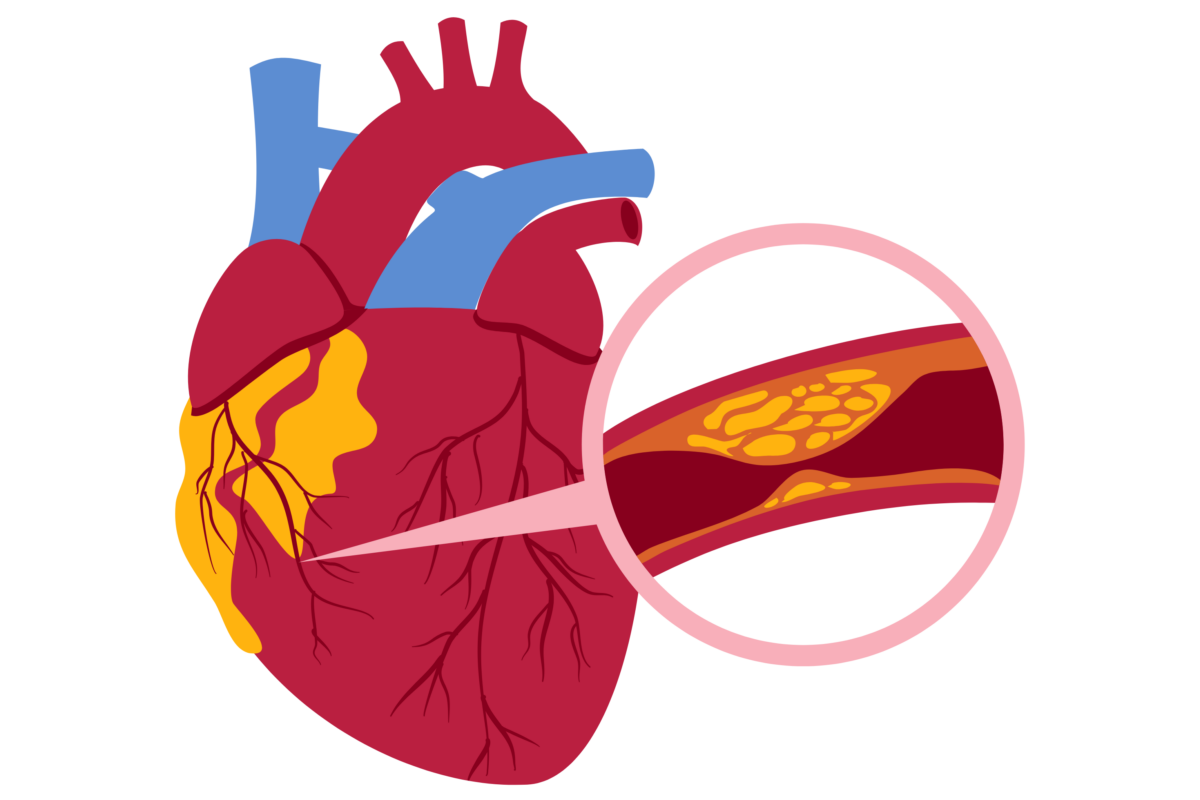
LDL cholesterol is often referred to as "bad cholesterol" because high levels can lead to the buildup of fatty deposits, known as plaque, inside your arteries. Over time, plaque narrows the arteries, making it harder for blood to flow. This condition, called atherosclerosis, increases the risk of:

  • Heart attack

  • Stroke

  • Peripheral artery disease

Lowering LDL cholesterol is a key goal in reducing cardiovascular risk.

High-Density Lipoprotein (HDL) – "Good" Cholesterol

HDL cholesterol is known as "good cholesterol" because it helps remove excess cholesterol from the bloodstream and carries it back to the liver, where it can be broken down and eliminated from the body.

Higher HDL levels are generally associated with a lower risk of heart disease.

Triglycerides

Although not a type of cholesterol, triglycerides are another important blood fat. High triglyceride levels, especially when combined with high LDL or low HDL, can further increase the risk of cardiovascular disease.


Why High Cholesterol Is a Concern

High cholesterol usually develops without causing noticeable symptoms. Many people are unaware they have elevated cholesterol until it is detected through a routine blood test.

If left untreated, high cholesterol can contribute to:

  • Coronary artery disease

  • Heart attack

  • Stroke

  • Reduced blood flow to the limbs

Because it is often symptom-free, high cholesterol is sometimes called a "silent risk factor."


Risk Factors for High Cholesterol

Several factors can increase cholesterol levels, including:

  • Diet high in saturated and trans fats

  • Lack of physical activity

  • Being overweight or obese

  • Smoking

  • Excessive alcohol consumption

  • Diabetes

  • Chronic kidney disease

  • Family history of high cholesterol

  • Increasing age

Some people inherit a genetic condition called familial hypercholesterolemia, which causes very high cholesterol levels even with a healthy lifestyle.


How Is Cholesterol Measured?

A lipid profile is a blood test used to measure cholesterol levels. It typically includes:

  • Total cholesterol

  • LDL cholesterol

  • HDL cholesterol

  • Triglycerides


How to Maintain Healthy Cholesterol Levels

Healthy lifestyle habits are the foundation of cholesterol management.

Eat a Heart-Healthy Diet

Focus on:

  • Fruits and vegetables

  • Whole grains

  • Beans and legumes

  • Nuts and seeds

  • Fish rich in omega-3 fatty acids

  • Healthy fats such as olive oil and avocado

Limit:

  • Fried foods

  • Processed meats

  • Sugary foods and beverages

  • Foods high in saturated and trans fats

Stay Physically Active

Aim for at least 150 minutes of moderate-intensity aerobic exercise each week. Activities such as brisk walking, cycling, swimming, or dancing can help improve cholesterol levels and support heart health.

Maintain a Healthy Weight

Even modest weight loss can improve cholesterol levels and reduce cardiovascular risk.

Avoid Smoking

Quitting smoking can improve HDL cholesterol and significantly lower the risk of heart disease.

Limit Alcohol Intake

Excessive alcohol consumption may increase triglyceride levels. Drinking in moderation, if at all, is recommended.


When Are Medications Needed?

Lifestyle changes alone may not be enough for everyone. Cholesterol lowering medications may be recommended if:

  • LDL cholesterol remains high despite lifestyle changes.

  • You have diabetes.

  • You have established heart disease.

  • Your calculated cardiovascular risk is high.

  • You have inherited high cholesterol.


Can High Cholesterol Be Prevented?

In many cases, yes. A balanced diet, regular exercise, maintaining a healthy weight, avoiding tobacco, and having regular health checkups can help prevent or delay the development of high cholesterol.

For individuals with inherited cholesterol disorders, early diagnosis and treatment are especially important.


*Disclaimer: This article is for educational purposes only and should not replace professional medical advice, diagnosis, or treatment. Consult your healthcare provider for personalized recommendations regarding cholesterol testing and management.

Visit us at oasisrockmedical.com/schedule to schedule a primary care preventive visit and get your cholesterol checked or call us at 6828826060 to make an appointment. 
Mineral vs. Chemical Sunscreen: Which One Is Right for You?

Sunscreen

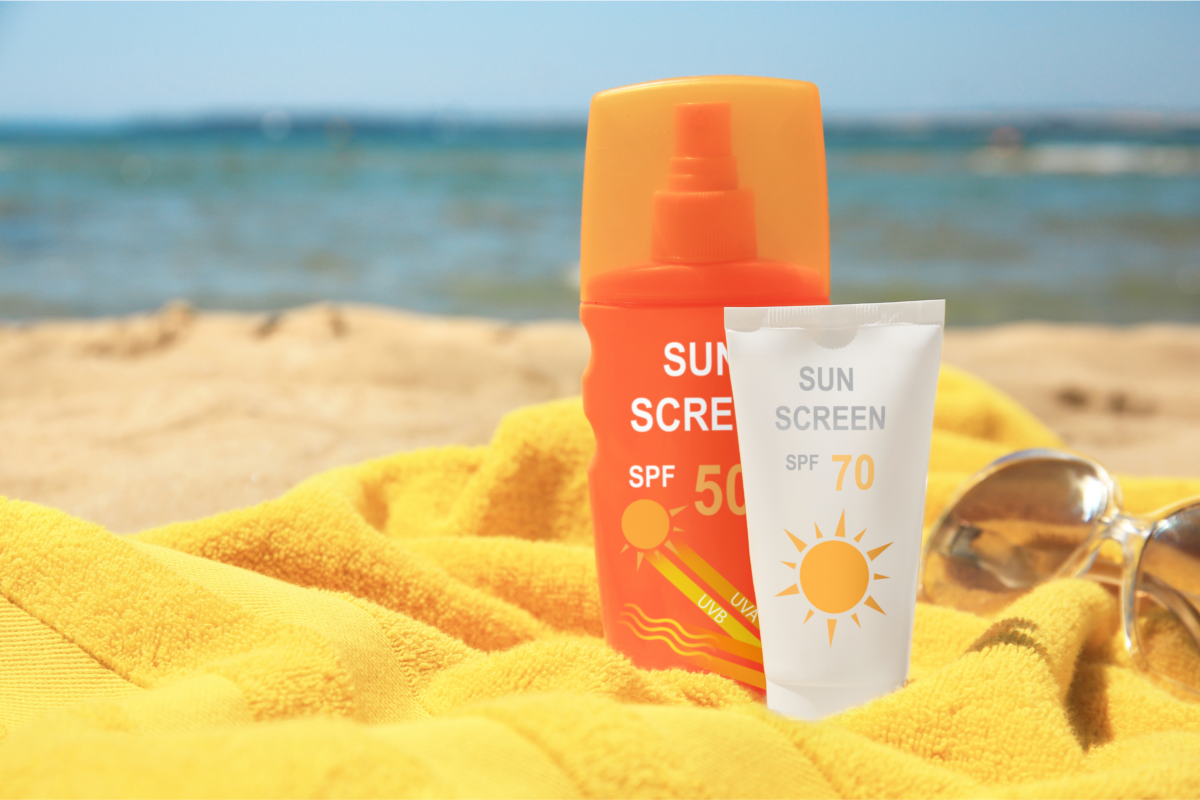
Sun protection is one of the most effective ways to prevent sunburn, premature skin aging, and skin cancer. Yet, one question continues to confuse many people: Should you choose a mineral sunscreen or a chemical sunscreen?

The answer isn't about which one is "better", it's about choosing the sunscreen you'll use consistently. Both types can provide excellent protection when applied correctly and reapplied as directed.

 
Why Sunscreen Matters

Ultraviolet (UV) radiation from the sun can damage your skin even on cloudy days. Over time, repeated exposure increases the risk of:

  • Sunburn

  • Dark spots and uneven pigmentation

  • Premature wrinkles and fine lines

  • Loss of skin elasticity

  • Skin cancers, including melanoma

Daily sunscreen use is a simple habit that helps protect your skin's health for years to come.

 
What Is Mineral Sunscreen?

Mineral sunscreen, also known as physical sunscreen, contains natural mineral ingredients such as zinc oxide and titanium dioxide.

These ingredients sit on the surface of the skin and protect it from UV radiation. Modern formulations also absorb some UV energy in addition to reflecting and scattering it.

Benefits of Mineral Sunscreen
  • Provides broad-spectrum UVA and UVB protection.

  • Starts protecting immediately after application.

  • Less likely to cause irritation, making it a good option for sensitive skin.

  • Often recommended for children and people with eczema or rosacea.

  • Less likely to sting if it gets into the eyes.

Possible Drawbacks
  • May leave a white cast, particularly on darker skin tones.

  • Can feel thicker or heavier on the skin.

  • Some formulations may be more difficult to spread evenly.

 
What Is Chemical Sunscreen?

Chemical sunscreens contain active ingredients such as avobenzone, octinoxate, octisalate, homosalate, and octocrylene.

These ingredients absorb UV radiation and convert it into a small amount of heat before it can damage the skin.

Benefits of Chemical Sunscreen
  • Lightweight and easy to apply.

  • Blends into the skin without leaving a noticeable white residue.

  • Often preferred under makeup.

  • Available in many formulations for different skin types.

Possible Drawbacks
  • Usually needs to be applied about 15 minutes before sun exposure.

  • May irritate sensitive skin or sting the eyes in some individuals.

  • Certain ingredients have raised environmental concerns, particularly regarding coral reefs in specific regions.

 
Which Sunscreen Is More Effective?

Both mineral and chemical sunscreens are effective when they:

  • Have an SPF of 30 or higher

  • Offer broad-spectrum protection against UVA and UVB rays

  • Are applied generously

  • Are reapplied every two hours, or after swimming or excessive sweating

The most effective sunscreen is the one you enjoy wearing every day.

 
Choosing the Right Sunscreen for Your Skin
Choose Mineral Sunscreen If You:
  • Have sensitive skin

  • Have eczema or rosacea

  • Prefer products with mineral active ingredients

  • Need sunscreen for young children (follow age-specific guidance from your healthcare provider)

Choose Chemical Sunscreen If You:
  • Prefer a lightweight feel

  • Wear sunscreen under makeup

  • Want an invisible finish with no white cast

  • Have normal skin without sensitivity to sunscreen ingredients

 
Common Sunscreen Myths
Myth 1: Higher SPF Means You Only Need to Apply It Once

False. No sunscreen lasts all day. Reapplication is essential, regardless of the SPF.

Myth 2: You Only Need Sunscreen on Sunny Days

False. Up to 80% of UV rays can penetrate clouds, meaning your skin is still exposed on overcast days.

Myth 3: People with Darker Skin Don't Need Sunscreen

False. While melanin provides some natural protection, everyone can experience sun damage and develop skin cancer.

Myth 4: Makeup with SPF Is Enough

Usually not. Most people do not apply enough makeup to achieve the labeled SPF protection. A dedicated sunscreen should remain part of your daily skincare routine.

 
Tip for better sun protection

Your best sunscreen isn't the most expensive one, it's the one you'll remember to apply every single day.


Visit oasisrockmedical.com/schedule or call 6828826060 to schedule an appointment.

It’s Medicine, Not Magic: Why Patience and Consistency Matter in Healthcare

medical

In a world of overnight transformations and viral health hacks, it's easy to believe that every illness has a quick fix. Social media is filled with instant weight-loss solutions, and "one-pill" promises that claim to solve complex medical problems in days. The truth, however, is much simpler and much more important.
Medicine is not magic.

Real medicine is built on science, research, patience, and trust. It works by understanding how the human body functions, identifying the root cause of disease, and applying treatments that have been carefully tested for safety and effectiveness. While some medications provide rapid relief, many treatments require time before meaningful improvements become visible.

Why Results May Take Time

Every person's body is unique. Factors such as age, genetics, lifestyle, existing medical conditions, and overall health influence how quickly a treatment works. 

For example:

  • Antibiotics begin fighting bacterial infections early but should be taken for the full prescribed course.

  • Blood pressure medications may require several days or weeks to achieve stable control.

  • Diabetes medications improve blood sugar gradually alongside healthy lifestyle changes.

  • Antidepressants often take 2–6 weeks before their full benefits become noticeable.

Expecting immediate results can lead to frustration, unnecessary treatment changes, or stopping medication too early, reducing its effectiveness.

Medicines Work Best with Healthy Habits

Medication is only one part of the healing process. Long-term health depends on combining medical treatment with healthy daily habits, including: 

  • Eating a balanced and nutritious diet

  • Exercising regularly

  • Getting enough sleep

  • Managing stress effectively

  • Staying hydrated

  • Avoiding smoking and limiting alcohol consumption

  • Taking medications exactly as prescribed

These habits support the body's natural healing processes and improve treatment outcomes.

Building a Partnership with Your Healthcare Provider

Good healthcare is a collaboration. Asking questions, discussing concerns, reporting side effects, and attending follow-up appointments all contribute to better outcomes. Open communication allows healthcare professionals to adjust treatment plans when necessary and provide personalized care.

Patience Is Part of Healing

Some conditions improve quickly, while others require long-term management. Progress may happen one small step at a time, and those small improvements often lead to lasting results. Patience is a mark of deep wisdom and self-control.

Medicine provides the tools, but recovery depends on consistency, patience, and informed decisions.

Final Thoughts

The next time you begin a treatment, remember this simple truth: it's medicine, not magic. There are no shortcuts to evidence-based healthcare. Follow your treatment plan, maintain healthy habits, and give your body the time it needs to heal. The best outcomes are worth the patience.

Visit oasisrockmedical.com/schedule or call 6828826060 to schedule an appointment.

Understanding Prediabetes Before It Becomes Diabetes

Prediabetes

Have you been told you have prediabetes? You're not alone. Millions of Americans have prediabetes, and many don't even know it.

The good news? Prediabetes can often be reversed before it becomes type 2 diabetes.

What Is Prediabetes?

Prediabetes means your blood sugar is higher than normal but not high enough to be diagnosed as diabetes.

Think of it as your body's early warning system.

Without lifestyle changes, prediabetes can lead to:

  • Type 2 diabetes
  • Heart disease
  • Stroke
  • Kidney problems
 
Could You Have Prediabetes?

You may be at higher risk if you:

  • Are overweight
  • Have a family history of diabetes
  • Are physically inactive
  • Have high blood pressure
  • Are over age 45

Many people have no symptoms, which is why routine checkups are important.

 
Can It Be Reversed?

In many cases, yes.

Small changes can make a big difference:

Move more

Aim for at least 30 minutes of activity most days of the week.

Eat healthier

Choose more vegetables, lean proteins, fruits, and whole grains. Cut back on sugary drinks and processed foods.

Lose a little weight

Losing just 5–10% of your body weight can significantly lower your risk of developing diabetes.

Get enough sleep

Poor sleep can affect blood sugar levels and overall health.


The Tests and Numbers You Should Know
Hemoglobin A1C Test

This test measures average blood sugar levels over the previous three months.

  • Normal: Below 5.7%

  • Prediabetes: 5.7% to 6.4%

  • Diabetes: 6.5% or higher

 
Fasting Blood Glucose Test
This test measures blood sugar after fasting overnight.
  • Normal: Less than 100 mg/dL
  • Prediabetes: 100–125 mg/dL
  • Diabetes: 126 mg/dL or higher
 
When Should You Get Tested?

If you have risk factors or haven't had blood work recently, talk with your healthcare provider about screening.

 
How OasisRock Can Help

Managing prediabetes isn't about following a perfect diet or making drastic changes overnight. It's about creating a realistic plan that works for your lifestyle.

We can help:

  • Identify risk factors early
  • Monitor blood sugar levels
  • Develop achievable nutrition goals
  • Support healthy weight management
  • Manage related conditions such as high blood pressure and high cholesterol

Take the Next Step

If you have risk factors for diabetes or haven't had a wellness exam recently, now is a great time to schedule a visit.

A quick conversation and routine blood work can provide valuable insight into your health and help you stay ahead of potential problems before they become serious.

Prediabetes doesn't mean you will develop diabetes. It means you have an opportunity to make changes now that can protect your health for years to come.

Call OasisRock at 682 882 6060 to schedule a visit or visit us online at https://oasisrockmedical/schedule to schedule an appointment. Remember preventive care is primary care

June Health Reflection: The Perfect Time to Establish Care with a New Primary Care Provider

Health

As we move through the middle of the year, it's a great time to check in on something that often gets pushed aside - your health.

Whether you've recently moved, changed insurance plans, haven't seen a doctor in years, or are simply looking for a healthcare provider who truly listens, taking that first step isn't always easy.

That's why we're excited to announce that we are accepting new patients.

We Are Accepting New Patients

Life gets busy. Between work, family responsibilities, summer activities, and everyday commitments, it's common to put your health on the back burner. Many people delay appointments because they're nervous, unsure where to start, or worried about what they might hear.

At OasisRock, we believe healthcare should be a partnership - not a lecture.

No matter where you are in your health journey, you'll be welcomed with compassion, respect, and personalized care.

What New Patients Can Expect

When you visit us for the first time, our goal is simple: to get to know you.

We take the time to understand your medical history, discuss your concerns, answer your questions, and create a care plan that fits your individual needs. Whether you're coming in for an annual wellness visit, preventive care, managing a chronic condition, or addressing a new health concern, we're here to help.

We are committed to providing:

  • Personalized medical care

  • Preventive health screenings

  • Chronic disease management

  • Timely appointments when available

  • Clear communication and patient education

  • A comfortable and welcoming environment

Your Questions Matter

Many patients tell us they appreciate having a provider who listens. We encourage you to ask questions, discuss symptoms, and share your health goals openly.

Healthcare decisions can be complex, and understanding your options is important. We believe informed patients make empowered healthcare choices.

Putting Your Health First

Your health impacts every aspect of your life - from your energy levels and productivity to your relationships and overall well-being. Regular visits with a primary care provider can help identify potential concerns early, manage existing conditions effectively, and support a healthier future.

Even if you're feeling well, preventive care plays a vital role in maintaining long-term health.

If you've been meaning to schedule a checkup but haven't found the time, consider this your reminder: there is still plenty of time this year to invest in your health.

Schedule Your First Appointment Today

We are currently accepting new patients and look forward to welcoming you to our practice. Contact our office at 682 882 6060 or visit oasisrockmedical.com/schedule to schedule an appointment and begin your journey toward better health.

High Blood Pressure: The Silent Threat You Shouldn’t Ignore

High Blood Pressure

High blood pressure, also known as hypertension, affects millions of people worldwide and is one of the leading causes of heart disease, stroke, kidney disease, and premature death. What makes hypertension particularly dangerous is that it often develops without noticeable symptoms, earning it the nickname "the silent killer."

What Is High Blood Pressure?

Blood pressure is the force of blood pushing against the walls of your arteries as your heart pumps. It is measured using two numbers:

  • Systolic pressure (top number): The pressure when the heart beats.
  • Diastolic pressure (bottom number): The pressure when the heart rests between beats.

A normal blood pressure reading is generally considered less than 120/80 mmHg.

Why Does High Blood Pressure Matter?

Over time, elevated blood pressure damages blood vessels and vital organs throughout the body. Uncontrolled hypertension can increase the risk of:

  • Heart attack
  • Stroke
  • Heart failure
  • Kidney disease
  • Vision problems
  • Cognitive decline and dementia

The higher your blood pressure and the longer it remains uncontrolled, the greater the risk of complications.

Common Causes and Risk Factors

Several factors can contribute to high blood pressure, including:

  • Family history of hypertension
  • Excess body weight
  • Physical inactivity
  • High sodium intake
  • Excessive alcohol consumption
  • Smoking
  • Chronic stress
  • Diabetes
  • Sleep apnea
  • Advancing age

In many cases, multiple factors work together to raise blood pressure over time.

Many people with hypertension may feel completely normal especially at the onset. However, severely elevated blood pressure may sometimes cause:

  • Headaches
  • Dizziness
  • Blurred vision
  • Chest pain
  • Shortness of breath
How Is High Blood Pressure Diagnosed?

A diagnosis is usually made after multiple elevated readings taken on different occasions. Home blood pressure monitoring can also provide valuable information and help identify patients with white-coat hypertension or masked hypertension.

Lifestyle Changes That Can Lower Blood Pressure

Lifestyle modifications can significantly improve blood pressure and overall health.

1. Reduce Sodium Intake

A low sodium diet can help lower blood pressure.

2. Maintain a Healthy Weight

Even modest weight loss can have a meaningful impact on blood pressure control.

3. Exercise Regularly

Aim for at least 150 minutes of moderate-intensity physical activity like walking each week.

4. Eat a Heart-Healthy Diet

Focus on vegetables, fruits, whole grains, lean proteins, and healthy fats.

5. Limit Alcohol

Excessive alcohol intake can raise blood pressure and increase cardiovascular risk.

6. Quit Smoking

Smoking damages blood vessels and significantly increases the risk of heart disease and stroke.

7. Manage Stress

Techniques such as meditation, deep breathing, adequate sleep, and regular physical activity can help reduce stress-related blood pressure elevations.

When Are Medications Needed?

For some individuals, lifestyle changes alone may not be enough. Blood pressure medications can effectively reduce the risk of heart attack, stroke, and other complications.

Common medication classes that help treat high blood pressure include:

  • ACE inhibitors
  • ARBs
  • Calcium channel blockers
  • Diuretics
  • Beta blockers

Your physician will determine the most appropriate treatment plan based on your overall health and individual risk factors.

Take Control of Your Health Today. If you need help with controlling your blood pressure visit us at oasisrockmedical.com/schedule or call 682 882 6060 to schedule your primary care appointment. 

Migraine Headaches

Migraine

Migraine headaches are more than just severe headaches. They are a neurological condition that can interfere with work, sleep, daily activities, and quality of life. Millions of people experience migraines, often accompanied by nausea, sensitivity to light and sound, and visual disturbances known as aura.

What is a Migraine

A migraine is typically intense throbbing or pulsing pain, often on one side of the head. Episodes may last from a few hours to several days. Common symptoms include:

  • Severe head pain

  • Nausea or vomiting

  • Sensitivity to light, sound, or smells

  • Blurred vision

  • Dizziness

  • Visual aura such as flashing lights or blind spots

Migraine triggers vary from person to person and may include stress, hormonal changes, certain foods, dehydration, lack of sleep, or environmental factors.

Acute Treatments for Migraine Attacks

Acute treatments are designed to stop or reduce symptoms once a migraine begins. They may include

Over-the-Counter Pain Relievers

For mild to moderate migraines, medications such as ibuprofen, aspirin, or acetaminophen may provide relief. These medications work best when taken early during the onset of symptoms.

Triptans

Triptans are prescription medications commonly used for moderate to severe migraines. Popular triptans include sumatriptan and rizatriptan.

Anti-Nausea Medications

Since nausea is common during migraines, doctors may prescribe anti-nausea medications to help ease digestive symptoms.

CGRP Inhibitors

A newer class of medications called calcitonin gene-related peptide (CGRP) inhibitors targets migraine pathways directly. These treatments can provide fast relief for some patients who do not respond to traditional medications.

Preventive Migraine Treatments

People who experience frequent migraines may benefit from preventive therapies aimed at reducing the number and severity of attacks. These may include

Blood Pressure Medications

Beta-blockers such as propranolol are often prescribed to help prevent migraines.

Antidepressants

Certain antidepressants, especially tricyclic antidepressants, may reduce migraine frequency even in patients without depression.

Anti-Seizure Medications

Medications like topiramate and valproate can stabilize nerve activity and help prevent chronic migraines.

Botox Injections

Botulinum toxin (Botox) injections are approved for chronic migraine treatment and may help individuals who experience headaches on 15 or more days each month.

Lifestyle and Natural Remedies

Lifestyle changes can play a major role in migraine management.

Maintain a Regular Sleep Schedule

Consistent sleep habits help regulate brain activity and reduce migraine triggers.

Stay Hydrated

Dehydration is a common migraine trigger. Drinking enough water throughout the day may help prevent attacks.

Manage Stress

Stress is strongly linked to migraines. Relaxation techniques such as meditation, deep breathing, and exercise can reduce tension and improve overall well-being.

Identify Trigger Foods

Common dietary triggers include caffeine, alcohol, aged cheeses, processed meats, and artificial sweeteners. Keeping a migraine diary may help identify patterns.

Final Thoughts

Migraine headaches can significantly affect daily life, but effective treatment options are available. From medications and preventive therapies to lifestyle modifications and stress management, a personalized treatment plan can help many people gain control over their migraines. Early diagnosis and proper medical care are key to improving long-term outcomes and quality of life.

Managing Hormonal Acne

Hormonal Acne

Acne is often associated with teenage years, but for many people, breakouts continue well into adulthood. One of the most common types of adult acne is hormonal acne - a condition closely linked to fluctuations in hormone levels. From painful cysts along the jawline to recurring breakouts before a menstrual cycle, hormonal acne can be frustrating and emotionally draining. 


What Is Hormonal Acne?

Hormonal acne occurs when hormonal fluctuations increase oil (sebum) production in the skin. Excess oil mixes with dead skin cells and bacteria, clogging pores and causing inflammation. Unlike typical teenage acne, hormonal acne often appears in adults between their 20s and 40s and tends to follow recurring patterns.

It commonly affects:

  • The lower face

  • Jawline

  • Chin

  • Neck

  • Sometimes the cheeks and back

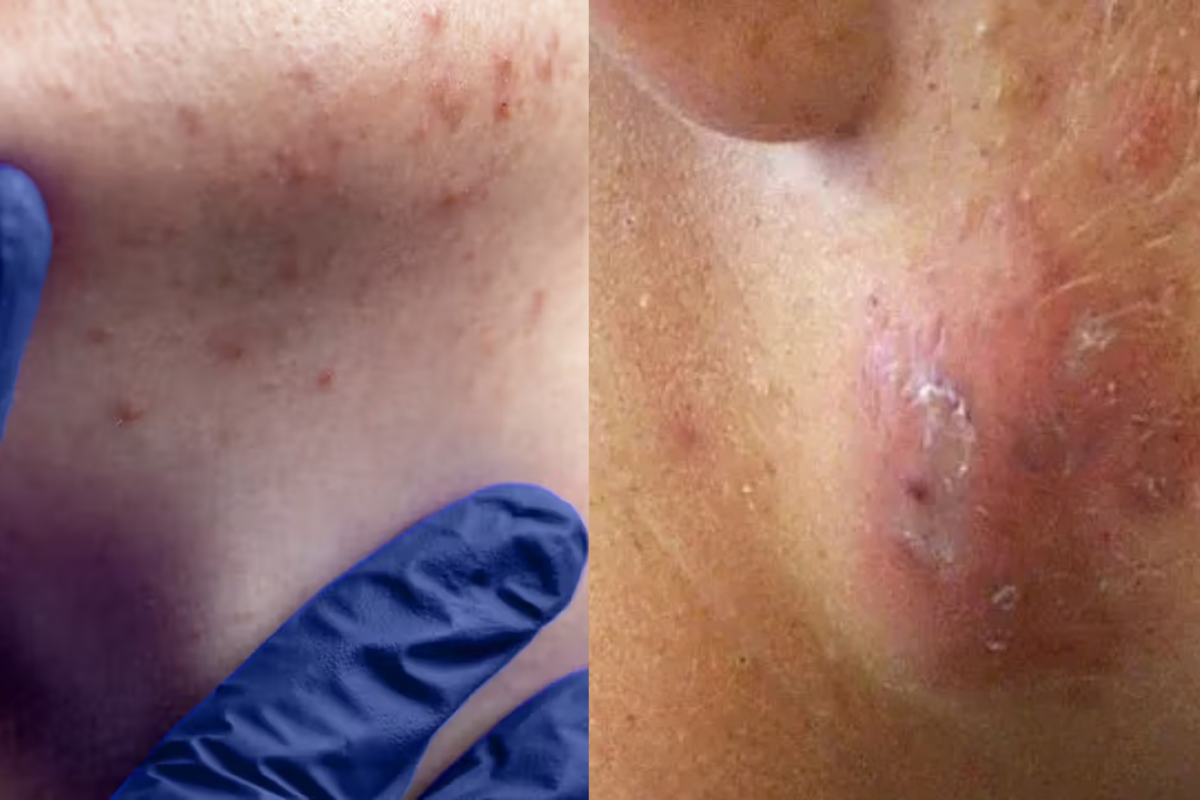
Hormonal acne can range from mild whiteheads and blackheads to painful cystic acne deep beneath the skin.


What Causes Hormonal Acne?

Hormonal acne is primarily driven by androgens, a group of hormones that includes testosterone. When androgen levels fluctuate or become elevated, the sebaceous glands produce more oil, increasing the likelihood of clogged pores and inflammation.

Common Triggers Include:

1. Menstrual Cycles

Many women notice breakouts a week or two before their period due to shifts in estrogen and progesterone levels.

2. Polyendocrine Metabolic Ovarian Syndrome (PMOS) formerly known as Polycystic Ovary Syndrome (PCOS)

PMOS can cause excess androgen production, leading to acne, irregular periods, and excessive hair growth.

3. Pregnancy

Hormonal changes during pregnancy may either improve or worsen acne depending on the individual.

4. Stress

Stress triggers cortisol production, which may indirectly stimulate oil production and worsen breakouts.

5. Menopause

Declining estrogen levels during menopause can lead to hormonal imbalances that trigger adult acne.

6. Diet and Lifestyle

High-glycemic foods, dairy products, poor sleep, and smoking may contribute to inflammation and hormonal imbalance in some individuals.


Signs of Hormonal Acne

Hormonal acne often has distinct characteristics, including:

  • Deep, painful cysts

  • Recurring breakouts in the same areas

  • Acne concentrated around the jawline and chin

  • Flare-ups linked to menstrual cycles or stress

  • Oily skin and inflammation

Unlike surface pimples, hormonal acne lesions are often tender and slow to heal.


Effective Treatments for Hormonal Acne

Treating hormonal acne usually requires a combination of skincare, lifestyle changes, and sometimes medical intervention.

1. Topical Treatments

Retinoids

Retinoids help unclog pores, reduce inflammation, and speed up cell turnover.

Benzoyl Peroxide

This ingredient reduces acne-causing bacteria and inflammation.

Salicylic Acid

Salicylic acid penetrates pores to remove excess oil and dead skin cells.

2. Hormonal Therapy

Birth Control Pills

Certain oral contraceptives regulate hormone fluctuations and reduce oil production.

Spironolactone

This medication blocks androgen receptors and may be prescribed for women with hormonal acne.

3. Oral Medications

Antibiotics

Short-term antibiotics may reduce inflammation and bacteria in moderate to severe cases.

Isotretinoin

For severe cystic acne, isotretinoin may be recommended under medical supervision.

4. Lifestyle Changes

Manage Stress

Practices like meditation, exercise, and quality sleep may help balance hormones.

Improve Diet

Some people benefit from reducing sugar, processed foods, and dairy intake.

Maintain a Gentle Skincare Routine

Overwashing or harsh products can irritate the skin and worsen acne.


Best Skincare Routine for Hormonal Acne

A simple, consistent routine is often most effective.

Morning

  1. Gentle cleanser

  2. Lightweight moisturizer

  3. Non-comedogenic sunscreen

Night

  1. Cleanser

  2. Treatment product (retinoid or salicylic acid)

  3. Moisturizer

Avoid picking or squeezing acne lesions, as this increases the risk of scarring and pigmentation.


Seek medical advice if:
  • Acne leaves scars

  • Over-the-counter products are ineffective

  • Breakouts are severe or cystic

  • You have symptoms of hormonal imbalance such as irregular periods or hair loss

Hormonal acne is a complex condition influenced by internal hormonal changes and external lifestyle factors. While it can be stubborn, patience and consistency are key, as hormonal acne often takes several weeks or months to respond to treatment.

Clear skin is possible with the right approach. Call us at 6828826060 to schedule a primary care appointment or click on the SCHEDULE NOW button on the home page here at oasisrockmedical.com

Subclinical Hypothyroidism: A Clinical Overview

hypothyroidism

Subclinical hypothyroidism is a frequently encountered endocrine disorder in clinical practice. It is often identified incidentally on routine blood tests and presents a management challenge due to its subtle nature and variable clinical significance.

What Is Subclinical Hypothyroidism?

Subclinical hypothyroidism is defined biochemically by:

  • Elevated thyroid-stimulating hormone (TSH)

  • Normal free thyroxine (T4) levels

Patients typically have no obvious symptoms or only mild, nonspecific complaints.

Pathophysiology

The condition reflects early or mild dysfunction of the thyroid gland, often due to:

  • Autoimmune thyroid disease, especially Hashimoto's thyroiditis

  • Partial thyroid failure

  • Recovery phase after thyroiditis

  • Iodine imbalance (deficiency or excess)

Epidemiology

  • More common in women than men

  • Prevalence increases with age

  • Seen in up to 5–10% of the general population

  • Higher risk in individuals with autoimmune disorders or family history of thyroid disease

Clinical Features

Most patients are asymptomatic, but some may report mild symptoms resembling overt hypothyroidism:

  • Fatigue

  • Weight gain

  • Cold intolerance

  • Constipation

  • Dry skin

Because these symptoms are nonspecific, diagnosis relies heavily on laboratory findings.

Diagnosis

Diagnosis is based on thyroid function tests:

Test

Finding

TSH

Elevated (usually 4.5–10 mIU/L, sometimes higher)

Free T4

Normal

Anti-thyroid peroxidase (TPO) antibodies

May be positive

Repeat testing after 6–12 weeks is recommended to confirm persistence.

Clinical Significance

While often mild, subclinical hypothyroidism has been associated with:

  • Increased risk of progression to overt hypothyroidism

  • Cardiovascular effects (e.g., dyslipidemia)

  • Possible association with coronary artery disease

  • Neuropsychiatric symptoms in some patients

However, not all patients require treatment.

Management Approach

1. Observation (Watchful Waiting)

Appropriate for many patients:

  • TSH <10 mIU/L

  • Asymptomatic

  • No significant risk factors

Monitor TSH every 6–12 months.

2. Pharmacologic Treatment

Treatment with Levothyroxine is considered if:

  • TSH ≥10 mIU/L

  • Presence of symptoms

  • Positive TPO antibodies

  • Pregnancy or planning pregnancy

  • Cardiovascular risk factors

3. Special Populations

  • Pregnancy: Lower threshold for treatment due to fetal development needs

  • Elderly: More conservative approach due to risk of overtreatment

  • Children: Managed case-by-case

Potential Complications

If untreated in certain cases:

  • Progression to overt hypothyroidism

  • Lipid abnormalities

  • Cardiovascular risk

  • Reduced quality of life

Key Takeaways
  • Subclinical hypothyroidism is defined by high TSH with normal T4

  • Often asymptomatic and detected incidentally

  • Not all patients require treatment

  • Decision to treat depends on TSH level, symptoms, and risk factors

Final Thought

Subclinical hypothyroidism highlights the importance of individualized care in medicine. Rather than a one-size-fits-all approach, management should balance biochemical findings with clinical context, patient preferences, and long-term risk considerations.

A Guide to Reading Skincare Labels

Skincare Label

Understanding skincare labels can feel overwhelming, even for well-informed consumers. With long ingredient lists, scientific terminology, and marketing claims, it’s easy to lose sight of what truly matters for your skin’s health. How to interpret these labels empowers you to make safer, more effective choices tailored to your individual needs.

Why Skincare Labels Matter

Your skin is your body’s largest organ, acting as a barrier against environmental stressors while also absorbing certain substances applied to it. While not everything you apply penetrates deeply, some ingredients can influence skin function, trigger irritation, or improve specific conditions. This makes label literacy essential - not just for beauty, but for health.

Understanding Ingredient Lists

Ingredients are typically listed in descending order of concentration. The first few components make up the bulk of the product, while those near the end are present in smaller amounts (often less than 1%).

Key Categories to Recognize Include:

  • Active ingredients: These are responsible for the primary effect. For example, salicylic acid targets acne, while zinc oxide provides sun protection.

  • Inactive ingredients: These include preservatives, emulsifiers, and fragrances that stabilize the product but may still affect sensitive skin.

Be cautious: A product marketed with a “hero ingredient” may contain only a small amount if it appears near the bottom of the list.

Common Ingredients and What They Do

  • Humectants (e.g., glycerin, hyaluronic acid): Draw moisture into the skin.

  • Emollients (e.g., ceramides, fatty acids): Smooth and soften the skin.

  • Occlusives (e.g., petrolatum, dimethicone): Form a barrier to prevent water loss.

  • Exfoliants (e.g., alpha hydroxy acids, beta hydroxy acids): Remove dead skin cells and promote renewal.

  • Antioxidants (e.g., vitamin C, vitamin E): Help protect against environmental damage.

Understanding these categories helps you match products to your skin concerns - whether it's dryness, acne, aging, or sensitivity.

Fragrance and Preservatives: Hidden Triggers

Fragrance is a common cause of irritation and allergic reactions, especially in individuals with sensitive skin or conditions like eczema. Look for terms like “fragrance-free” rather than “unscented,” as the latter may still contain masking fragrances.

Preservatives such as parabens or phenoxyethanol are necessary to prevent microbial growth, but some individuals may prefer alternatives due to personal or medical concerns. It’s important to note that “natural” does not always mean safer - many natural extracts can also cause irritation.

Decoding Marketing Claims

Terms like “dermatologist-tested,” “hypoallergenic,” and “non-comedogenic” are not strictly regulated and may not guarantee safety or effectiveness for everyone. Instead of relying solely on these labels, focus on the ingredient list and your own skin’s response.

Patch Testing

Before introducing a new product, applying a small amount to a discreet area of skin (such as behind the ear or on the inner forearm) for several days may help identify potential irritation or allergic reactions before applying it more broadly.

When to Seek Professional Guidance

If you have persistent skin issues such as acne, rosacea, or dermatitis, consulting a healthcare professional or dermatologist is advisable. Visit us at oasisrockmedical.com to schedule an appointment or call 682 882 6060.