What Your Blood Test Results Really Mean

Blood Test

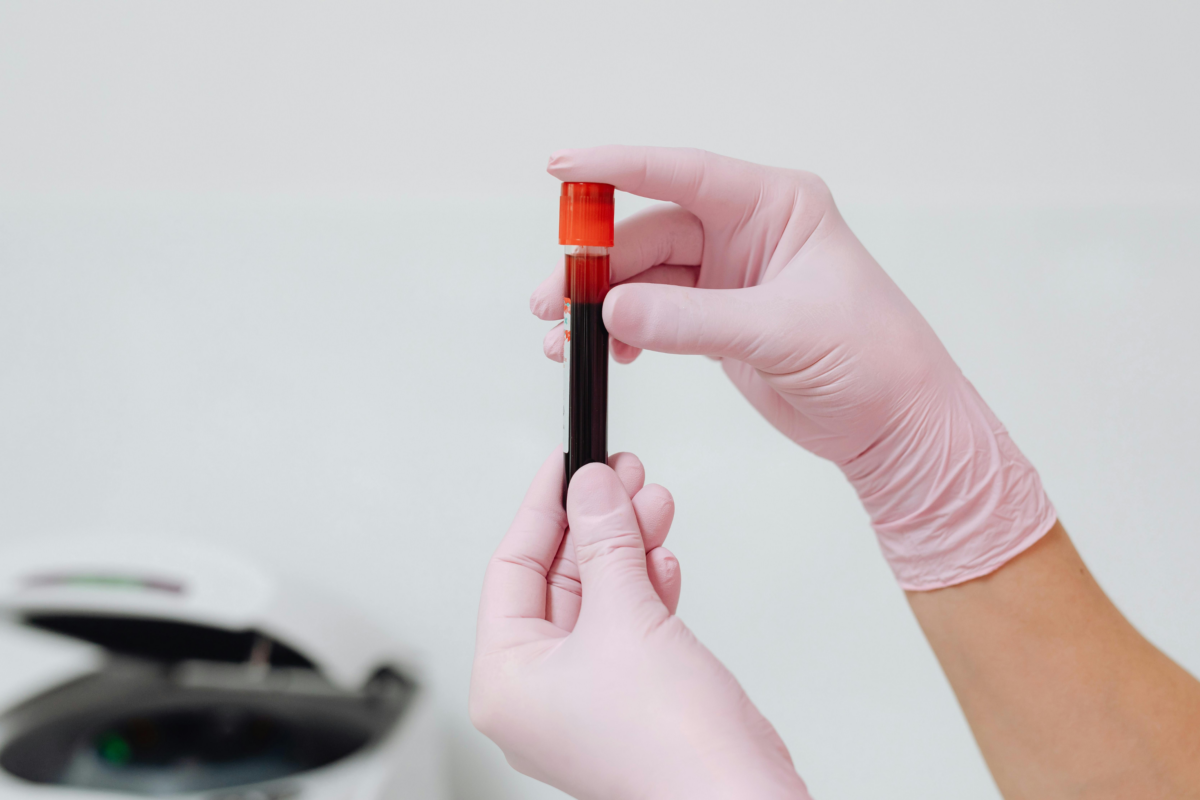
Blood tests are one of the most common tools doctors use to evaluate your health. Yet for many patients, lab reports can feel confusing and overwhelming.

While only a healthcare professional can fully interpret your results in the context of your medical history, learning the basics can make those numbers far less intimidating.


Why Blood Tests Matter

Blood tests provide valuable information about how your body is functioning. They can help detect:

  • Infections
  • Diabetes
  • Anemia
  • High cholesterol
  • Liver disease
  • Kidney problems
  • Vitamin deficiencies
  • Hormonal imbalances
  • Heart disease risk

Many conditions can develop silently for years before symptoms appear, which is why routine blood work plays an important role in preventive healthcare.


Common Blood Tests Explained

Complete Blood Count (CBC)

A CBC measures different components of your blood and is often used to evaluate overall health.

Red Blood Cells (RBC)

Red blood cells carry oxygen throughout the body.

Low RBC levels may suggest:

  • Anemia
  • Blood loss
  • Nutritional deficiencies

High RBC levels may occur with:

  • Dehydration
  • Smoking
  • Lung disease
White Blood Cells (WBC)

White blood cells help fight infection.

High WBC counts may indicate:

  • Infection
  • Inflammation
  • Stress
  • Certain immune disorders

Low WBC counts can result from:

  • Viral infections
  • Bone marrow disorders
  • Certain medications
Hemoglobin and Hematocrit

These values measure the oxygen-carrying capacity of your blood.

Low levels are commonly linked to anemia and fatigue.

Platelets

Platelets help your blood clot properly.

Abnormal platelet counts may increase bleeding or clotting risk.

Comprehensive Metabolic Panel (CMP)

This panel evaluates organ function, electrolyte balance, and metabolism.

Glucose

Glucose measures blood sugar levels.

High glucose may suggest:

  • Prediabetes
  • Diabetes

Low glucose can occur with:

  • Fasting
  • Certain medications
  • Hormonal disorders
Kidney Function Tests

A couple of kidney function tests are:

  • Creatinine
  • Blood Urea Nitrogen (BUN)

Elevated levels may indicate reduced kidney function or dehydration.

Liver Enzymes

Common liver markers include:

  • ALT
  • AST
  • Alkaline phosphatase

High levels can be associated with:

  • Fatty liver disease
  • Alcohol use
  • Hepatitis
  • Medication effects
Electrolytes

Electrolytes such as sodium and potassium are essential for nerve, muscle, and heart function.

Imbalances can affect hydration, blood pressure, and cardiac rhythm.

Lipid Panel: Understanding Cholesterol

A lipid panel measures fats in your blood and helps assess cardiovascular risk.

LDL Cholesterol (“Bad” Cholesterol)

High LDL levels can contribute to plaque buildup in arteries and increase heart disease and ischemic stroke risk.

HDL Cholesterol (“Good” Cholesterol)

HDL helps remove excess cholesterol from the bloodstream.

Higher HDL levels are generally protective.

Triglycerides

High triglycerides are linked to:

  • Obesity
  • Diabetes
  • Poor diet
  • Increased heart disease risk
Hemoglobin A1C

A1C measures your average blood sugar over the past 2–3 months.

Results may indicate:

  • Normal blood sugar
  • Prediabetes
  • Diabetes

This test is commonly used to monitor long-term glucose control.

Thyroid Function Tests

The thyroid regulates metabolism, energy, and hormone balance.

TSH (Thyroid Stimulating Hormone)

Abnormal TSH levels may suggest:

  • Hypothyroidism (underactive thyroid)
  • Hyperthyroidism (overactive thyroid)

Symptoms can include fatigue, weight changes, mood changes, and temperature sensitivity.

Vitamin and Nutrient Levels

Doctors may also test for:

  • Vitamin D
  • Vitamin B12
  • Iron
  • Folate

Deficiencies can contribute to fatigue, weakness, mood changes, and nerve problems.


What “Normal Range” Really Means

One important thing to understand is that “normal” ranges are based on population averages. A slightly abnormal result does not always mean something is seriously wrong.

Factors that can influence blood test results include:

  • Age
  • Sex
  • Medications
  • Hydration
  • Diet
  • Exercise
  • Time of day
  • Recent illness

Doctors interpret lab values alongside symptoms, medical history, and physical examination findings.


How to Improve Your Blood Test Results Naturally

Healthy lifestyle changes can positively impact many lab values.

Focus on:
  • Eating a balanced diet
  • Exercising regularly
  • Maintaining a healthy weight
  • Managing stress
  • Getting quality sleep
  • Avoiding smoking
  • Limiting alcohol intake

Regular preventive care and follow-up testing are also important. Visit us at oasisrockmedical.com/schedule or call 6828826060 to schedule your preventive care appointment today. 

Migraine Headaches

Migraine

Migraine headaches are more than just severe headaches. They are a neurological condition that can interfere with work, sleep, daily activities, and quality of life. Millions of people experience migraines, often accompanied by nausea, sensitivity to light and sound, and visual disturbances known as aura.

What is a Migraine

A migraine is typically intense throbbing or pulsing pain, often on one side of the head. Episodes may last from a few hours to several days. Common symptoms include:

  • Severe head pain

  • Nausea or vomiting

  • Sensitivity to light, sound, or smells

  • Blurred vision

  • Dizziness

  • Visual aura such as flashing lights or blind spots

Migraine triggers vary from person to person and may include stress, hormonal changes, certain foods, dehydration, lack of sleep, or environmental factors.

Acute Treatments for Migraine Attacks

Acute treatments are designed to stop or reduce symptoms once a migraine begins. They may include

Over-the-Counter Pain Relievers

For mild to moderate migraines, medications such as ibuprofen, aspirin, or acetaminophen may provide relief. These medications work best when taken early during the onset of symptoms.

Triptans

Triptans are prescription medications commonly used for moderate to severe migraines. Popular triptans include sumatriptan and rizatriptan.

Anti-Nausea Medications

Since nausea is common during migraines, doctors may prescribe anti-nausea medications to help ease digestive symptoms.

CGRP Inhibitors

A newer class of medications called calcitonin gene-related peptide (CGRP) inhibitors targets migraine pathways directly. These treatments can provide fast relief for some patients who do not respond to traditional medications.

Preventive Migraine Treatments

People who experience frequent migraines may benefit from preventive therapies aimed at reducing the number and severity of attacks. These may include

Blood Pressure Medications

Beta-blockers such as propranolol are often prescribed to help prevent migraines.

Antidepressants

Certain antidepressants, especially tricyclic antidepressants, may reduce migraine frequency even in patients without depression.

Anti-Seizure Medications

Medications like topiramate and valproate can stabilize nerve activity and help prevent chronic migraines.

Botox Injections

Botulinum toxin (Botox) injections are approved for chronic migraine treatment and may help individuals who experience headaches on 15 or more days each month.

Lifestyle and Natural Remedies

Lifestyle changes can play a major role in migraine management.

Maintain a Regular Sleep Schedule

Consistent sleep habits help regulate brain activity and reduce migraine triggers.

Stay Hydrated

Dehydration is a common migraine trigger. Drinking enough water throughout the day may help prevent attacks.

Manage Stress

Stress is strongly linked to migraines. Relaxation techniques such as meditation, deep breathing, and exercise can reduce tension and improve overall well-being.

Identify Trigger Foods

Common dietary triggers include caffeine, alcohol, aged cheeses, processed meats, and artificial sweeteners. Keeping a migraine diary may help identify patterns.

Final Thoughts

Migraine headaches can significantly affect daily life, but effective treatment options are available. From medications and preventive therapies to lifestyle modifications and stress management, a personalized treatment plan can help many people gain control over their migraines. Early diagnosis and proper medical care are key to improving long-term outcomes and quality of life.

Managing Hormonal Acne

Hormonal Acne

Acne is often associated with teenage years, but for many people, breakouts continue well into adulthood. One of the most common types of adult acne is hormonal acne - a condition closely linked to fluctuations in hormone levels. From painful cysts along the jawline to recurring breakouts before a menstrual cycle, hormonal acne can be frustrating and emotionally draining. 


What Is Hormonal Acne?

Hormonal acne occurs when hormonal fluctuations increase oil (sebum) production in the skin. Excess oil mixes with dead skin cells and bacteria, clogging pores and causing inflammation. Unlike typical teenage acne, hormonal acne often appears in adults between their 20s and 40s and tends to follow recurring patterns.

It commonly affects:

  • The lower face

  • Jawline

  • Chin

  • Neck

  • Sometimes the cheeks and back

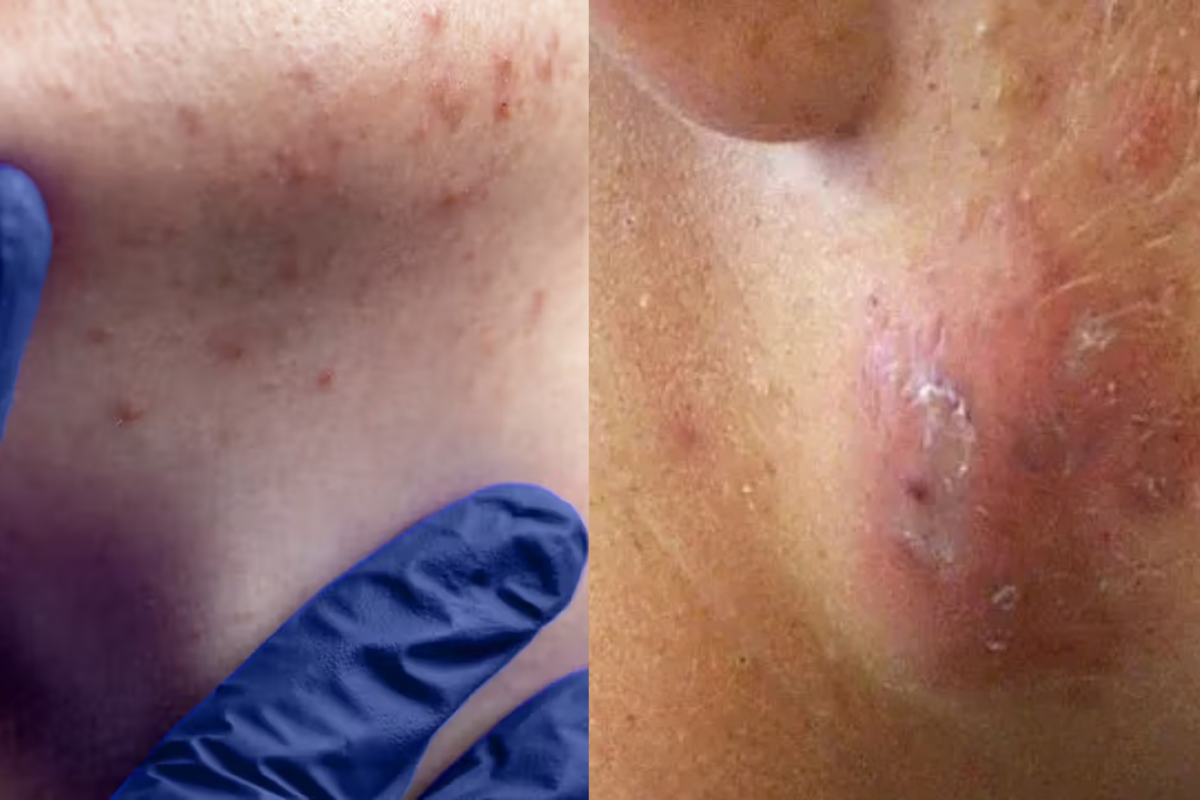
Hormonal acne can range from mild whiteheads and blackheads to painful cystic acne deep beneath the skin.


What Causes Hormonal Acne?

Hormonal acne is primarily driven by androgens, a group of hormones that includes testosterone. When androgen levels fluctuate or become elevated, the sebaceous glands produce more oil, increasing the likelihood of clogged pores and inflammation.

Common Triggers Include:

1. Menstrual Cycles

Many women notice breakouts a week or two before their period due to shifts in estrogen and progesterone levels.

2. Polyendocrine Metabolic Ovarian Syndrome (PMOS) formerly known as Polycystic Ovary Syndrome (PCOS)

PMOS can cause excess androgen production, leading to acne, irregular periods, and excessive hair growth.

3. Pregnancy

Hormonal changes during pregnancy may either improve or worsen acne depending on the individual.

4. Stress

Stress triggers cortisol production, which may indirectly stimulate oil production and worsen breakouts.

5. Menopause

Declining estrogen levels during menopause can lead to hormonal imbalances that trigger adult acne.

6. Diet and Lifestyle

High-glycemic foods, dairy products, poor sleep, and smoking may contribute to inflammation and hormonal imbalance in some individuals.


Signs of Hormonal Acne

Hormonal acne often has distinct characteristics, including:

  • Deep, painful cysts

  • Recurring breakouts in the same areas

  • Acne concentrated around the jawline and chin

  • Flare-ups linked to menstrual cycles or stress

  • Oily skin and inflammation

Unlike surface pimples, hormonal acne lesions are often tender and slow to heal.


Effective Treatments for Hormonal Acne

Treating hormonal acne usually requires a combination of skincare, lifestyle changes, and sometimes medical intervention.

1. Topical Treatments

Retinoids

Retinoids help unclog pores, reduce inflammation, and speed up cell turnover.

Benzoyl Peroxide

This ingredient reduces acne-causing bacteria and inflammation.

Salicylic Acid

Salicylic acid penetrates pores to remove excess oil and dead skin cells.

2. Hormonal Therapy

Birth Control Pills

Certain oral contraceptives regulate hormone fluctuations and reduce oil production.

Spironolactone

This medication blocks androgen receptors and may be prescribed for women with hormonal acne.

3. Oral Medications

Antibiotics

Short-term antibiotics may reduce inflammation and bacteria in moderate to severe cases.

Isotretinoin

For severe cystic acne, isotretinoin may be recommended under medical supervision.

4. Lifestyle Changes

Manage Stress

Practices like meditation, exercise, and quality sleep may help balance hormones.

Improve Diet

Some people benefit from reducing sugar, processed foods, and dairy intake.

Maintain a Gentle Skincare Routine

Overwashing or harsh products can irritate the skin and worsen acne.


Best Skincare Routine for Hormonal Acne

A simple, consistent routine is often most effective.

Morning

  1. Gentle cleanser

  2. Lightweight moisturizer

  3. Non-comedogenic sunscreen

Night

  1. Cleanser

  2. Treatment product (retinoid or salicylic acid)

  3. Moisturizer

Avoid picking or squeezing acne lesions, as this increases the risk of scarring and pigmentation.


Seek medical advice if:
  • Acne leaves scars

  • Over-the-counter products are ineffective

  • Breakouts are severe or cystic

  • You have symptoms of hormonal imbalance such as irregular periods or hair loss

Hormonal acne is a complex condition influenced by internal hormonal changes and external lifestyle factors. While it can be stubborn, patience and consistency are key, as hormonal acne often takes several weeks or months to respond to treatment.

Clear skin is possible with the right approach. Call us at 6828826060 to schedule a primary care appointment or click on the SCHEDULE NOW button on the home page here at oasisrockmedical.com

Subclinical Hypothyroidism: A Clinical Overview

hypothyroidism

Subclinical hypothyroidism is a frequently encountered endocrine disorder in clinical practice. It is often identified incidentally on routine blood tests and presents a management challenge due to its subtle nature and variable clinical significance.

What Is Subclinical Hypothyroidism?

Subclinical hypothyroidism is defined biochemically by:

  • Elevated thyroid-stimulating hormone (TSH)

  • Normal free thyroxine (T4) levels

Patients typically have no obvious symptoms or only mild, nonspecific complaints.

Pathophysiology

The condition reflects early or mild dysfunction of the thyroid gland, often due to:

  • Autoimmune thyroid disease, especially Hashimoto's thyroiditis

  • Partial thyroid failure

  • Recovery phase after thyroiditis

  • Iodine imbalance (deficiency or excess)

Epidemiology

  • More common in women than men

  • Prevalence increases with age

  • Seen in up to 5–10% of the general population

  • Higher risk in individuals with autoimmune disorders or family history of thyroid disease

Clinical Features

Most patients are asymptomatic, but some may report mild symptoms resembling overt hypothyroidism:

  • Fatigue

  • Weight gain

  • Cold intolerance

  • Constipation

  • Dry skin

Because these symptoms are nonspecific, diagnosis relies heavily on laboratory findings.

Diagnosis

Diagnosis is based on thyroid function tests:

Test

Finding

TSH

Elevated (usually 4.5–10 mIU/L, sometimes higher)

Free T4

Normal

Anti-thyroid peroxidase (TPO) antibodies

May be positive

Repeat testing after 6–12 weeks is recommended to confirm persistence.

Clinical Significance

While often mild, subclinical hypothyroidism has been associated with:

  • Increased risk of progression to overt hypothyroidism

  • Cardiovascular effects (e.g., dyslipidemia)

  • Possible association with coronary artery disease

  • Neuropsychiatric symptoms in some patients

However, not all patients require treatment.

Management Approach

1. Observation (Watchful Waiting)

Appropriate for many patients:

  • TSH <10 mIU/L

  • Asymptomatic

  • No significant risk factors

Monitor TSH every 6–12 months.

2. Pharmacologic Treatment

Treatment with Levothyroxine is considered if:

  • TSH ≥10 mIU/L

  • Presence of symptoms

  • Positive TPO antibodies

  • Pregnancy or planning pregnancy

  • Cardiovascular risk factors

3. Special Populations

  • Pregnancy: Lower threshold for treatment due to fetal development needs

  • Elderly: More conservative approach due to risk of overtreatment

  • Children: Managed case-by-case

Potential Complications

If untreated in certain cases:

  • Progression to overt hypothyroidism

  • Lipid abnormalities

  • Cardiovascular risk

  • Reduced quality of life

Key Takeaways
  • Subclinical hypothyroidism is defined by high TSH with normal T4

  • Often asymptomatic and detected incidentally

  • Not all patients require treatment

  • Decision to treat depends on TSH level, symptoms, and risk factors

Final Thought

Subclinical hypothyroidism highlights the importance of individualized care in medicine. Rather than a one-size-fits-all approach, management should balance biochemical findings with clinical context, patient preferences, and long-term risk considerations.

A Guide to Reading Skincare Labels

Skincare Label

Understanding skincare labels can feel overwhelming, even for well-informed consumers. With long ingredient lists, scientific terminology, and marketing claims, it’s easy to lose sight of what truly matters for your skin’s health. How to interpret these labels empowers you to make safer, more effective choices tailored to your individual needs.

Why Skincare Labels Matter

Your skin is your body’s largest organ, acting as a barrier against environmental stressors while also absorbing certain substances applied to it. While not everything you apply penetrates deeply, some ingredients can influence skin function, trigger irritation, or improve specific conditions. This makes label literacy essential - not just for beauty, but for health.

Understanding Ingredient Lists

Ingredients are typically listed in descending order of concentration. The first few components make up the bulk of the product, while those near the end are present in smaller amounts (often less than 1%).

Key Categories to Recognize Include:

  • Active ingredients: These are responsible for the primary effect. For example, salicylic acid targets acne, while zinc oxide provides sun protection.

  • Inactive ingredients: These include preservatives, emulsifiers, and fragrances that stabilize the product but may still affect sensitive skin.

Be cautious: A product marketed with a “hero ingredient” may contain only a small amount if it appears near the bottom of the list.

Common Ingredients and What They Do

  • Humectants (e.g., glycerin, hyaluronic acid): Draw moisture into the skin.

  • Emollients (e.g., ceramides, fatty acids): Smooth and soften the skin.

  • Occlusives (e.g., petrolatum, dimethicone): Form a barrier to prevent water loss.

  • Exfoliants (e.g., alpha hydroxy acids, beta hydroxy acids): Remove dead skin cells and promote renewal.

  • Antioxidants (e.g., vitamin C, vitamin E): Help protect against environmental damage.

Understanding these categories helps you match products to your skin concerns - whether it's dryness, acne, aging, or sensitivity.

Fragrance and Preservatives: Hidden Triggers

Fragrance is a common cause of irritation and allergic reactions, especially in individuals with sensitive skin or conditions like eczema. Look for terms like “fragrance-free” rather than “unscented,” as the latter may still contain masking fragrances.

Preservatives such as parabens or phenoxyethanol are necessary to prevent microbial growth, but some individuals may prefer alternatives due to personal or medical concerns. It’s important to note that “natural” does not always mean safer - many natural extracts can also cause irritation.

Decoding Marketing Claims

Terms like “dermatologist-tested,” “hypoallergenic,” and “non-comedogenic” are not strictly regulated and may not guarantee safety or effectiveness for everyone. Instead of relying solely on these labels, focus on the ingredient list and your own skin’s response.

Patch Testing

Before introducing a new product, applying a small amount to a discreet area of skin (such as behind the ear or on the inner forearm) for several days may help identify potential irritation or allergic reactions before applying it more broadly.

When to Seek Professional Guidance

If you have persistent skin issues such as acne, rosacea, or dermatitis, consulting a healthcare professional or dermatologist is advisable. Visit us at oasisrockmedical.com to schedule an appointment or call 682 882 6060.