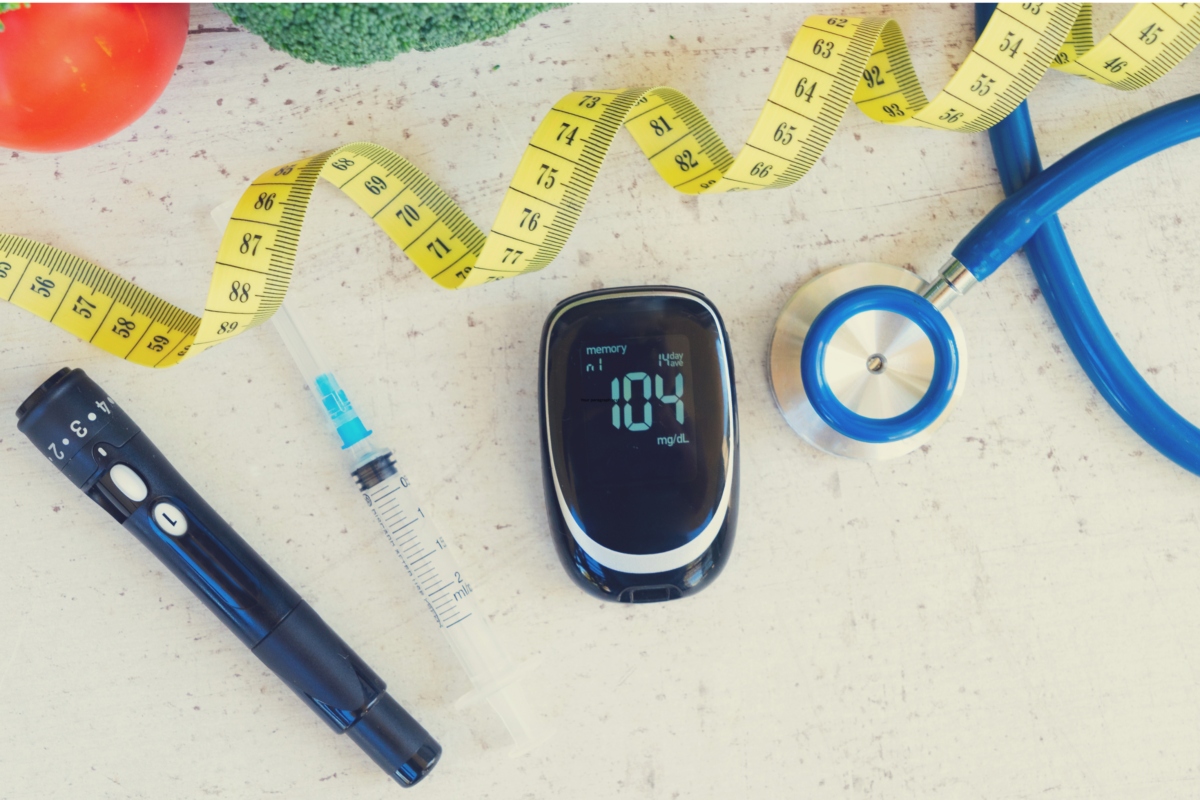
Understanding Prediabetes Before It Becomes Diabetes

Prediabetes

Have you been told you have prediabetes? You're not alone. Millions of Americans have prediabetes, and many don't even know it.

The good news? Prediabetes can often be reversed before it becomes type 2 diabetes.

What Is Prediabetes?

Prediabetes means your blood sugar is higher than normal but not high enough to be diagnosed as diabetes.

Think of it as your body's early warning system.

Without lifestyle changes, prediabetes can lead to:

  • Type 2 diabetes
  • Heart disease
  • Stroke
  • Kidney problems
 
Could You Have Prediabetes?

You may be at higher risk if you:

  • Are overweight
  • Have a family history of diabetes
  • Are physically inactive
  • Have high blood pressure
  • Are over age 45

Many people have no symptoms, which is why routine checkups are important.

 
Can It Be Reversed?

In many cases, yes.

Small changes can make a big difference:

Move more

Aim for at least 30 minutes of activity most days of the week.

Eat healthier

Choose more vegetables, lean proteins, fruits, and whole grains. Cut back on sugary drinks and processed foods.

Lose a little weight

Losing just 5–10% of your body weight can significantly lower your risk of developing diabetes.

Get enough sleep

Poor sleep can affect blood sugar levels and overall health.


The Tests and Numbers You Should Know
Hemoglobin A1C Test

This test measures average blood sugar levels over the previous three months.

  • Normal: Below 5.7%

  • Prediabetes: 5.7% to 6.4%

  • Diabetes: 6.5% or higher

 
Fasting Blood Glucose Test
This test measures blood sugar after fasting overnight.
  • Normal: Less than 100 mg/dL
  • Prediabetes: 100–125 mg/dL
  • Diabetes: 126 mg/dL or higher
 
When Should You Get Tested?

If you have risk factors or haven't had blood work recently, talk with your healthcare provider about screening.

 
How OasisRock Can Help

Managing prediabetes isn't about following a perfect diet or making drastic changes overnight. It's about creating a realistic plan that works for your lifestyle.

We can help:

  • Identify risk factors early
  • Monitor blood sugar levels
  • Develop achievable nutrition goals
  • Support healthy weight management
  • Manage related conditions such as high blood pressure and high cholesterol

Take the Next Step

If you have risk factors for diabetes or haven't had a wellness exam recently, now is a great time to schedule a visit.

A quick conversation and routine blood work can provide valuable insight into your health and help you stay ahead of potential problems before they become serious.

Prediabetes doesn't mean you will develop diabetes. It means you have an opportunity to make changes now that can protect your health for years to come.

Call OasisRock at 682 882 6060 to schedule a visit or visit us online at https://oasisrockmedical/schedule to schedule an appointment. Remember preventive care is primary care


Love as Preventive Medicine

Happy Valentines Day

In primary care, we focus on blood pressure, cholesterol, diabetes, sleep, and exercise. But one powerful health factor is often overlooked in routine visits: love and meaningful connection.

Love isn’t just emotional. It has measurable effects on the brain, heart, immune system, and overall longevity. For family physicians and primary care providers, understanding this connection can help us treat the whole patient - not just lab values.

What Happens in the Body When We Feel Loved?

When someone feels emotionally connected and supported, the body responds in several important ways:

1. Stress Hormones Decrease

Healthy relationships reduce cortisol levels (the primary stress hormone). Lower cortisol is associated with:

  • Better blood pressure control
  • Improved blood sugar regulation
  • Reduced central weight gain
  • Improved sleep

Chronic stress does the opposite.

2. Blood Pressure Improves

Patients in stable, supportive relationships tend to have:

  • Lower resting blood pressure
  • Better heart rate regulation
  • Lower cardiovascular risk

Conversely, high-conflict relationships can increase cardiovascular strain.

3. The Immune System Functions Better

Loneliness has been linked to:

  • Increased inflammation
  • Higher rates of infection
  • Slower recovery from illness

Social connection is associated with lower inflammatory markers and better immune resilience.

Love and Mental Health in Primary Care

Primary care is often the first place patients present with anxiety and depression.

Strong social support:

  • Reduces depressive symptoms
  • Buffers against anxiety
  • Improves coping during life stressors

Isolation, on the other hand, is a major risk factor for mood disorders.

Relationship Quality Matters

It’s not simply marital status - it’s relationship quality.

Supportive relationships are protective.
High-conflict or emotionally unsafe relationships can worsen:

  • Hypertension
  • Insomnia
  • Anxiety
  • Headaches
  • Gastrointestinal complaints

In some cases, relationship stress presents as somatic symptoms.

Love Is Not a Prescription But It Is Preventive

We cannot prescribe love. But we can recognize connection as a protective health factor.

Encourage patients to:

  • Invest in meaningful relationships
  • Maintain regular social interaction
  • Seek help when isolated

The Clinical Bottom Line

In primary care, we treat hypertension, diabetes, anxiety, and insomnia every day.

But connection influences all of them.

Love lowers stress.
Love supports cardiovascular health.
Love improves immune function.
Love protects mental health.

In primary care, caring for relationships may be just as important as managing cholesterol. 

This Valentine’s Day, let’s celebrate love, meaningful connections, and the powerful impact they have on our health.

Blogmas Holiday Edition – A healthy way to close out the year

Day 1 - How can I stay safe while traveling during the holidays?

Hi, I’m Dr. A of OasisRock, and welcome to our ‘Ask Dr. A’ Holiday Edition

“How can I survive holiday treats?”

Holiday treats are everywhere, but you can enjoy them without overdoing it. Try portion control, savor each bite slowly, and balance sweets with fruits, vegetables, and protein.

Visit oasisrockmedical.com or call 6828826060 to schedule your next appointment today.

Share this video and follow for more tips!