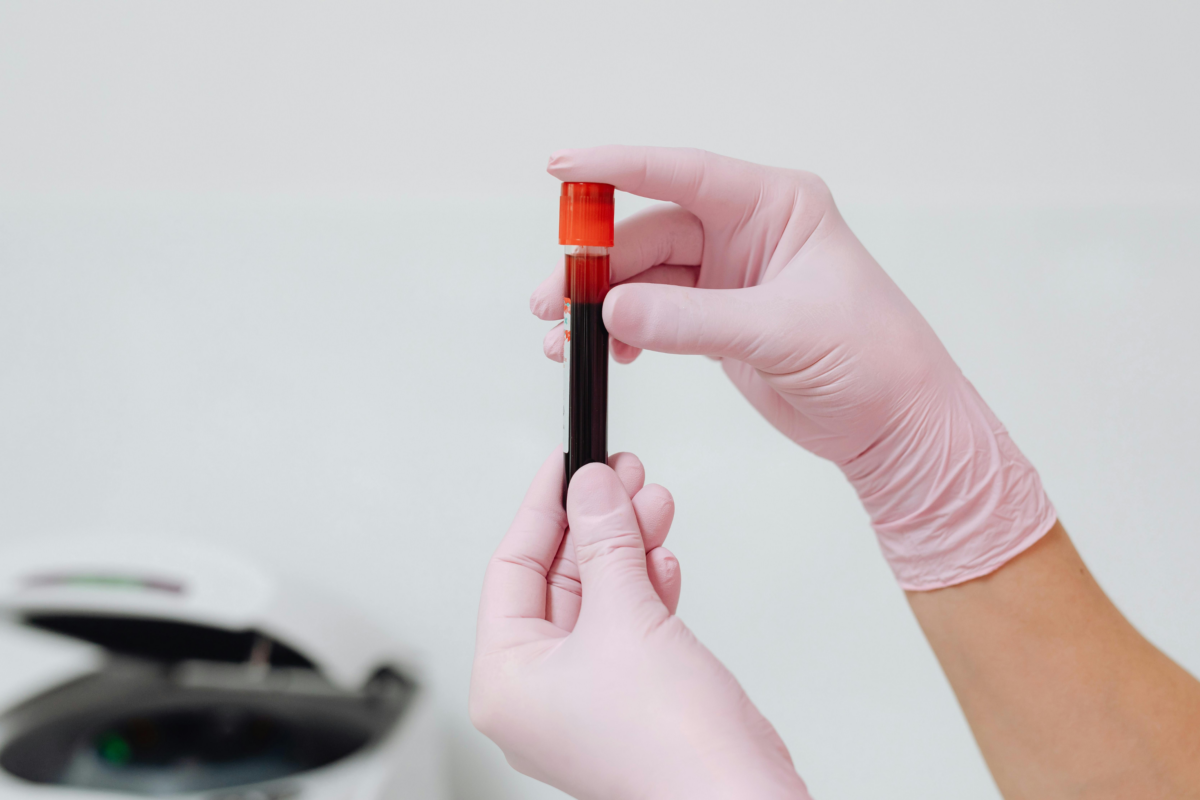
What Your Blood Test Results Really Mean

Blood Test

Blood tests are one of the most common tools doctors use to evaluate your health. Yet for many patients, lab reports can feel confusing and overwhelming.

While only a healthcare professional can fully interpret your results in the context of your medical history, learning the basics can make those numbers far less intimidating.


Why Blood Tests Matter

Blood tests provide valuable information about how your body is functioning. They can help detect:

  • Infections
  • Diabetes
  • Anemia
  • High cholesterol
  • Liver disease
  • Kidney problems
  • Vitamin deficiencies
  • Hormonal imbalances
  • Heart disease risk

Many conditions can develop silently for years before symptoms appear, which is why routine blood work plays an important role in preventive healthcare.


Common Blood Tests Explained

Complete Blood Count (CBC)

A CBC measures different components of your blood and is often used to evaluate overall health.

Red Blood Cells (RBC)

Red blood cells carry oxygen throughout the body.

Low RBC levels may suggest:

  • Anemia
  • Blood loss
  • Nutritional deficiencies

High RBC levels may occur with:

  • Dehydration
  • Smoking
  • Lung disease
White Blood Cells (WBC)

White blood cells help fight infection.

High WBC counts may indicate:

  • Infection
  • Inflammation
  • Stress
  • Certain immune disorders

Low WBC counts can result from:

  • Viral infections
  • Bone marrow disorders
  • Certain medications
Hemoglobin and Hematocrit

These values measure the oxygen-carrying capacity of your blood.

Low levels are commonly linked to anemia and fatigue.

Platelets

Platelets help your blood clot properly.

Abnormal platelet counts may increase bleeding or clotting risk.

Comprehensive Metabolic Panel (CMP)

This panel evaluates organ function, electrolyte balance, and metabolism.

Glucose

Glucose measures blood sugar levels.

High glucose may suggest:

  • Prediabetes
  • Diabetes

Low glucose can occur with:

  • Fasting
  • Certain medications
  • Hormonal disorders
Kidney Function Tests

A couple of kidney function tests are:

  • Creatinine
  • Blood Urea Nitrogen (BUN)

Elevated levels may indicate reduced kidney function or dehydration.

Liver Enzymes

Common liver markers include:

  • ALT
  • AST
  • Alkaline phosphatase

High levels can be associated with:

  • Fatty liver disease
  • Alcohol use
  • Hepatitis
  • Medication effects
Electrolytes

Electrolytes such as sodium and potassium are essential for nerve, muscle, and heart function.

Imbalances can affect hydration, blood pressure, and cardiac rhythm.

Lipid Panel: Understanding Cholesterol

A lipid panel measures fats in your blood and helps assess cardiovascular risk.

LDL Cholesterol (“Bad” Cholesterol)

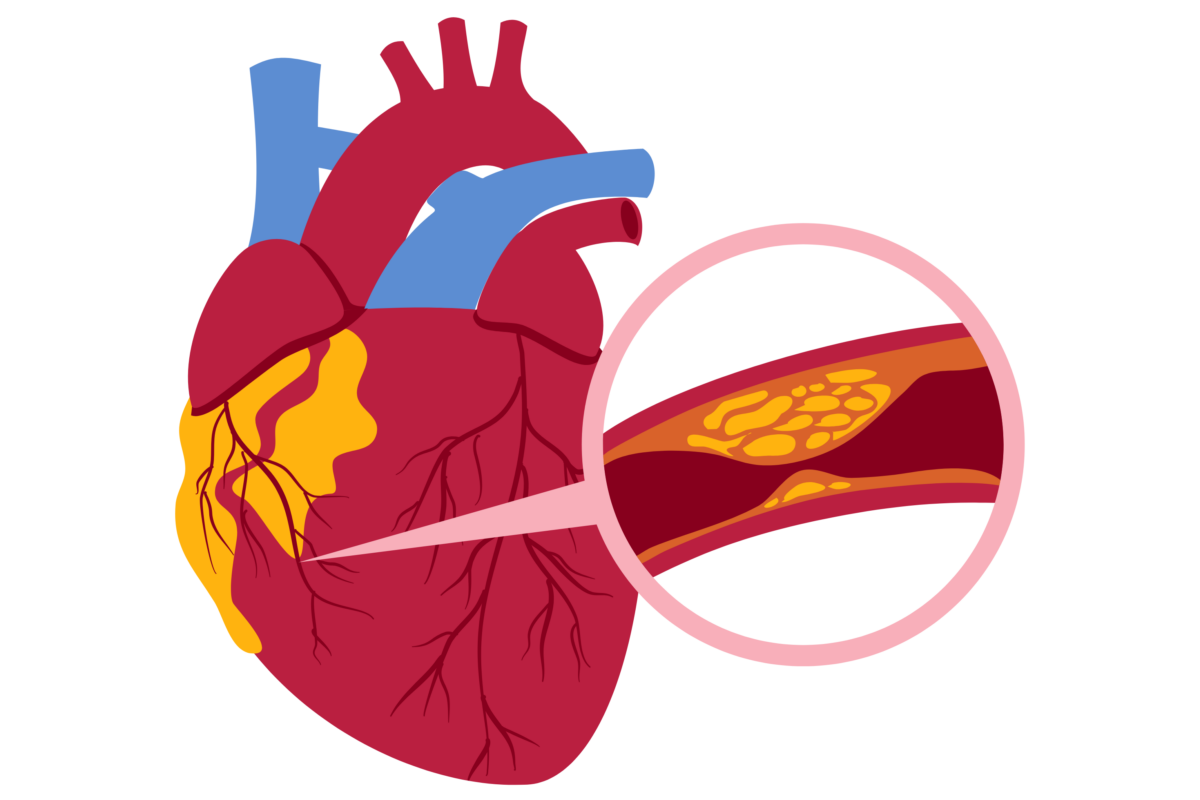
High LDL levels can contribute to plaque buildup in arteries and increase heart disease and ischemic stroke risk.

HDL Cholesterol (“Good” Cholesterol)

HDL helps remove excess cholesterol from the bloodstream.

Higher HDL levels are generally protective.

Triglycerides

High triglycerides are linked to:

  • Obesity
  • Diabetes
  • Poor diet
  • Increased heart disease risk
Hemoglobin A1C

A1C measures your average blood sugar over the past 2–3 months.

Results may indicate:

  • Normal blood sugar
  • Prediabetes
  • Diabetes

This test is commonly used to monitor long-term glucose control.

Thyroid Function Tests

The thyroid regulates metabolism, energy, and hormone balance.

TSH (Thyroid Stimulating Hormone)

Abnormal TSH levels may suggest:

  • Hypothyroidism (underactive thyroid)
  • Hyperthyroidism (overactive thyroid)

Symptoms can include fatigue, weight changes, mood changes, and temperature sensitivity.

Vitamin and Nutrient Levels

Doctors may also test for:

  • Vitamin D
  • Vitamin B12
  • Iron
  • Folate

Deficiencies can contribute to fatigue, weakness, mood changes, and nerve problems.


What “Normal Range” Really Means

One important thing to understand is that “normal” ranges are based on population averages. A slightly abnormal result does not always mean something is seriously wrong.

Factors that can influence blood test results include:

  • Age
  • Sex
  • Medications
  • Hydration
  • Diet
  • Exercise
  • Time of day
  • Recent illness

Doctors interpret lab values alongside symptoms, medical history, and physical examination findings.


How to Improve Your Blood Test Results Naturally

Healthy lifestyle changes can positively impact many lab values.

Focus on:
  • Eating a balanced diet
  • Exercising regularly
  • Maintaining a healthy weight
  • Managing stress
  • Getting quality sleep
  • Avoiding smoking
  • Limiting alcohol intake

Regular preventive care and follow-up testing are also important. Visit us at oasisrockmedical.com/schedule or call 6828826060 to schedule your preventive care appointment today. 

Migraine Headaches

Migraine

Migraine headaches are more than just severe headaches. They are a neurological condition that can interfere with work, sleep, daily activities, and quality of life. Millions of people experience migraines, often accompanied by nausea, sensitivity to light and sound, and visual disturbances known as aura.

What is a Migraine

A migraine is typically intense throbbing or pulsing pain, often on one side of the head. Episodes may last from a few hours to several days. Common symptoms include:

  • Severe head pain

  • Nausea or vomiting

  • Sensitivity to light, sound, or smells

  • Blurred vision

  • Dizziness

  • Visual aura such as flashing lights or blind spots

Migraine triggers vary from person to person and may include stress, hormonal changes, certain foods, dehydration, lack of sleep, or environmental factors.

Acute Treatments for Migraine Attacks

Acute treatments are designed to stop or reduce symptoms once a migraine begins. They may include

Over-the-Counter Pain Relievers

For mild to moderate migraines, medications such as ibuprofen, aspirin, or acetaminophen may provide relief. These medications work best when taken early during the onset of symptoms.

Triptans

Triptans are prescription medications commonly used for moderate to severe migraines. Popular triptans include sumatriptan and rizatriptan.

Anti-Nausea Medications

Since nausea is common during migraines, doctors may prescribe anti-nausea medications to help ease digestive symptoms.

CGRP Inhibitors

A newer class of medications called calcitonin gene-related peptide (CGRP) inhibitors targets migraine pathways directly. These treatments can provide fast relief for some patients who do not respond to traditional medications.

Preventive Migraine Treatments

People who experience frequent migraines may benefit from preventive therapies aimed at reducing the number and severity of attacks. These may include

Blood Pressure Medications

Beta-blockers such as propranolol are often prescribed to help prevent migraines.

Antidepressants

Certain antidepressants, especially tricyclic antidepressants, may reduce migraine frequency even in patients without depression.

Anti-Seizure Medications

Medications like topiramate and valproate can stabilize nerve activity and help prevent chronic migraines.

Botox Injections

Botulinum toxin (Botox) injections are approved for chronic migraine treatment and may help individuals who experience headaches on 15 or more days each month.

Lifestyle and Natural Remedies

Lifestyle changes can play a major role in migraine management.

Maintain a Regular Sleep Schedule

Consistent sleep habits help regulate brain activity and reduce migraine triggers.

Stay Hydrated

Dehydration is a common migraine trigger. Drinking enough water throughout the day may help prevent attacks.

Manage Stress

Stress is strongly linked to migraines. Relaxation techniques such as meditation, deep breathing, and exercise can reduce tension and improve overall well-being.

Identify Trigger Foods

Common dietary triggers include caffeine, alcohol, aged cheeses, processed meats, and artificial sweeteners. Keeping a migraine diary may help identify patterns.

Final Thoughts

Migraine headaches can significantly affect daily life, but effective treatment options are available. From medications and preventive therapies to lifestyle modifications and stress management, a personalized treatment plan can help many people gain control over their migraines. Early diagnosis and proper medical care are key to improving long-term outcomes and quality of life.

Managing Hormonal Acne

Hormonal Acne

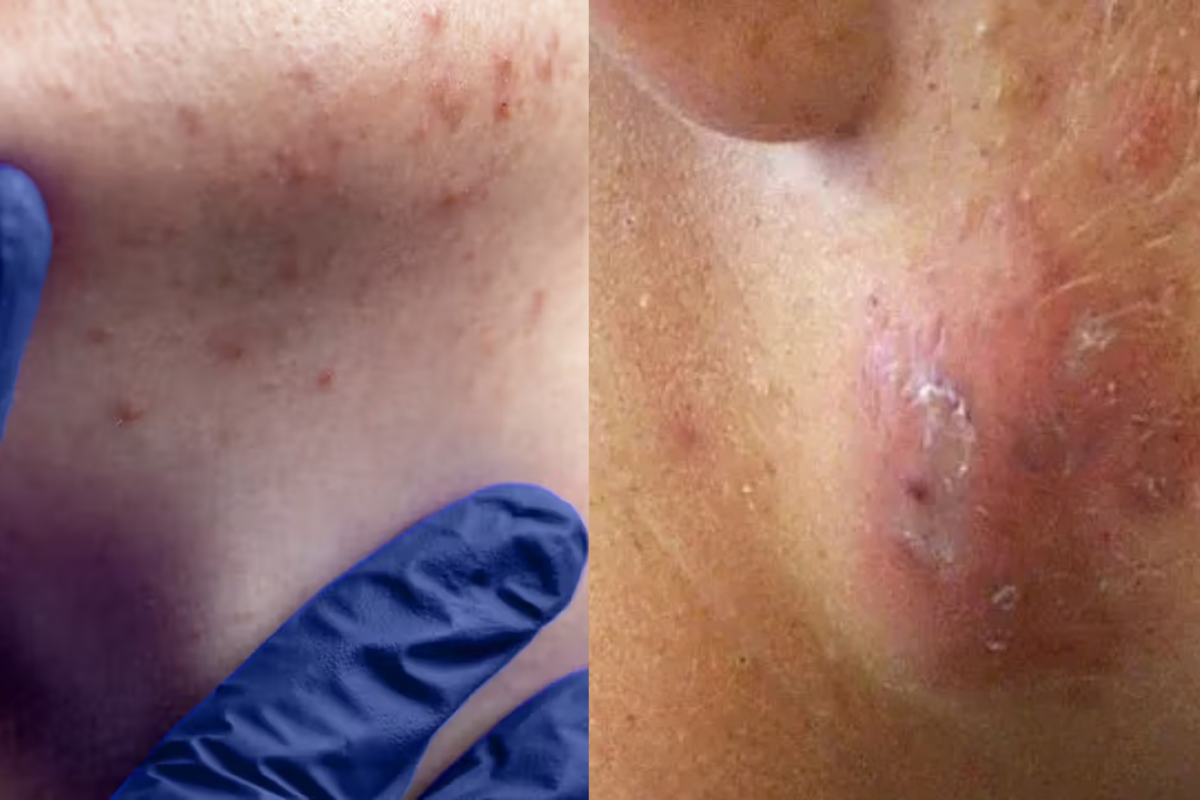
Acne is often associated with teenage years, but for many people, breakouts continue well into adulthood. One of the most common types of adult acne is hormonal acne - a condition closely linked to fluctuations in hormone levels. From painful cysts along the jawline to recurring breakouts before a menstrual cycle, hormonal acne can be frustrating and emotionally draining. 


What Is Hormonal Acne?

Hormonal acne occurs when hormonal fluctuations increase oil (sebum) production in the skin. Excess oil mixes with dead skin cells and bacteria, clogging pores and causing inflammation. Unlike typical teenage acne, hormonal acne often appears in adults between their 20s and 40s and tends to follow recurring patterns.

It commonly affects:

  • The lower face

  • Jawline

  • Chin

  • Neck

  • Sometimes the cheeks and back

Hormonal acne can range from mild whiteheads and blackheads to painful cystic acne deep beneath the skin.


What Causes Hormonal Acne?

Hormonal acne is primarily driven by androgens, a group of hormones that includes testosterone. When androgen levels fluctuate or become elevated, the sebaceous glands produce more oil, increasing the likelihood of clogged pores and inflammation.

Common Triggers Include:

1. Menstrual Cycles

Many women notice breakouts a week or two before their period due to shifts in estrogen and progesterone levels.

2. Polyendocrine Metabolic Ovarian Syndrome (PMOS) formerly known as Polycystic Ovary Syndrome (PCOS)

PMOS can cause excess androgen production, leading to acne, irregular periods, and excessive hair growth.

3. Pregnancy

Hormonal changes during pregnancy may either improve or worsen acne depending on the individual.

4. Stress

Stress triggers cortisol production, which may indirectly stimulate oil production and worsen breakouts.

5. Menopause

Declining estrogen levels during menopause can lead to hormonal imbalances that trigger adult acne.

6. Diet and Lifestyle

High-glycemic foods, dairy products, poor sleep, and smoking may contribute to inflammation and hormonal imbalance in some individuals.


Signs of Hormonal Acne

Hormonal acne often has distinct characteristics, including:

  • Deep, painful cysts

  • Recurring breakouts in the same areas

  • Acne concentrated around the jawline and chin

  • Flare-ups linked to menstrual cycles or stress

  • Oily skin and inflammation

Unlike surface pimples, hormonal acne lesions are often tender and slow to heal.


Effective Treatments for Hormonal Acne

Treating hormonal acne usually requires a combination of skincare, lifestyle changes, and sometimes medical intervention.

1. Topical Treatments

Retinoids

Retinoids help unclog pores, reduce inflammation, and speed up cell turnover.

Benzoyl Peroxide

This ingredient reduces acne-causing bacteria and inflammation.

Salicylic Acid

Salicylic acid penetrates pores to remove excess oil and dead skin cells.

2. Hormonal Therapy

Birth Control Pills

Certain oral contraceptives regulate hormone fluctuations and reduce oil production.

Spironolactone

This medication blocks androgen receptors and may be prescribed for women with hormonal acne.

3. Oral Medications

Antibiotics

Short-term antibiotics may reduce inflammation and bacteria in moderate to severe cases.

Isotretinoin

For severe cystic acne, isotretinoin may be recommended under medical supervision.

4. Lifestyle Changes

Manage Stress

Practices like meditation, exercise, and quality sleep may help balance hormones.

Improve Diet

Some people benefit from reducing sugar, processed foods, and dairy intake.

Maintain a Gentle Skincare Routine

Overwashing or harsh products can irritate the skin and worsen acne.


Best Skincare Routine for Hormonal Acne

A simple, consistent routine is often most effective.

Morning

  1. Gentle cleanser

  2. Lightweight moisturizer

  3. Non-comedogenic sunscreen

Night

  1. Cleanser

  2. Treatment product (retinoid or salicylic acid)

  3. Moisturizer

Avoid picking or squeezing acne lesions, as this increases the risk of scarring and pigmentation.


Seek medical advice if:
  • Acne leaves scars

  • Over-the-counter products are ineffective

  • Breakouts are severe or cystic

  • You have symptoms of hormonal imbalance such as irregular periods or hair loss

Hormonal acne is a complex condition influenced by internal hormonal changes and external lifestyle factors. While it can be stubborn, patience and consistency are key, as hormonal acne often takes several weeks or months to respond to treatment.

Clear skin is possible with the right approach. Call us at 6828826060 to schedule a primary care appointment or click on the SCHEDULE NOW button on the home page here at oasisrockmedical.com

Subclinical Hypothyroidism: A Clinical Overview

hypothyroidism

Subclinical hypothyroidism is a frequently encountered endocrine disorder in clinical practice. It is often identified incidentally on routine blood tests and presents a management challenge due to its subtle nature and variable clinical significance.

What Is Subclinical Hypothyroidism?

Subclinical hypothyroidism is defined biochemically by:

  • Elevated thyroid-stimulating hormone (TSH)

  • Normal free thyroxine (T4) levels

Patients typically have no obvious symptoms or only mild, nonspecific complaints.

Pathophysiology

The condition reflects early or mild dysfunction of the thyroid gland, often due to:

  • Autoimmune thyroid disease, especially Hashimoto's thyroiditis

  • Partial thyroid failure

  • Recovery phase after thyroiditis

  • Iodine imbalance (deficiency or excess)

Epidemiology

  • More common in women than men

  • Prevalence increases with age

  • Seen in up to 5–10% of the general population

  • Higher risk in individuals with autoimmune disorders or family history of thyroid disease

Clinical Features

Most patients are asymptomatic, but some may report mild symptoms resembling overt hypothyroidism:

  • Fatigue

  • Weight gain

  • Cold intolerance

  • Constipation

  • Dry skin

Because these symptoms are nonspecific, diagnosis relies heavily on laboratory findings.

Diagnosis

Diagnosis is based on thyroid function tests:

Test

Finding

TSH

Elevated (usually 4.5–10 mIU/L, sometimes higher)

Free T4

Normal

Anti-thyroid peroxidase (TPO) antibodies

May be positive

Repeat testing after 6–12 weeks is recommended to confirm persistence.

Clinical Significance

While often mild, subclinical hypothyroidism has been associated with:

  • Increased risk of progression to overt hypothyroidism

  • Cardiovascular effects (e.g., dyslipidemia)

  • Possible association with coronary artery disease

  • Neuropsychiatric symptoms in some patients

However, not all patients require treatment.

Management Approach

1. Observation (Watchful Waiting)

Appropriate for many patients:

  • TSH <10 mIU/L

  • Asymptomatic

  • No significant risk factors

Monitor TSH every 6–12 months.

2. Pharmacologic Treatment

Treatment with Levothyroxine is considered if:

  • TSH ≥10 mIU/L

  • Presence of symptoms

  • Positive TPO antibodies

  • Pregnancy or planning pregnancy

  • Cardiovascular risk factors

3. Special Populations

  • Pregnancy: Lower threshold for treatment due to fetal development needs

  • Elderly: More conservative approach due to risk of overtreatment

  • Children: Managed case-by-case

Potential Complications

If untreated in certain cases:

  • Progression to overt hypothyroidism

  • Lipid abnormalities

  • Cardiovascular risk

  • Reduced quality of life

Key Takeaways
  • Subclinical hypothyroidism is defined by high TSH with normal T4

  • Often asymptomatic and detected incidentally

  • Not all patients require treatment

  • Decision to treat depends on TSH level, symptoms, and risk factors

Final Thought

Subclinical hypothyroidism highlights the importance of individualized care in medicine. Rather than a one-size-fits-all approach, management should balance biochemical findings with clinical context, patient preferences, and long-term risk considerations.

A Guide to Reading Skincare Labels

Skincare Label

Understanding skincare labels can feel overwhelming, even for well-informed consumers. With long ingredient lists, scientific terminology, and marketing claims, it’s easy to lose sight of what truly matters for your skin’s health. How to interpret these labels empowers you to make safer, more effective choices tailored to your individual needs.

Why Skincare Labels Matter

Your skin is your body’s largest organ, acting as a barrier against environmental stressors while also absorbing certain substances applied to it. While not everything you apply penetrates deeply, some ingredients can influence skin function, trigger irritation, or improve specific conditions. This makes label literacy essential - not just for beauty, but for health.

Understanding Ingredient Lists

Ingredients are typically listed in descending order of concentration. The first few components make up the bulk of the product, while those near the end are present in smaller amounts (often less than 1%).

Key Categories to Recognize Include:

  • Active ingredients: These are responsible for the primary effect. For example, salicylic acid targets acne, while zinc oxide provides sun protection.

  • Inactive ingredients: These include preservatives, emulsifiers, and fragrances that stabilize the product but may still affect sensitive skin.

Be cautious: A product marketed with a “hero ingredient” may contain only a small amount if it appears near the bottom of the list.

Common Ingredients and What They Do

  • Humectants (e.g., glycerin, hyaluronic acid): Draw moisture into the skin.

  • Emollients (e.g., ceramides, fatty acids): Smooth and soften the skin.

  • Occlusives (e.g., petrolatum, dimethicone): Form a barrier to prevent water loss.

  • Exfoliants (e.g., alpha hydroxy acids, beta hydroxy acids): Remove dead skin cells and promote renewal.

  • Antioxidants (e.g., vitamin C, vitamin E): Help protect against environmental damage.

Understanding these categories helps you match products to your skin concerns - whether it's dryness, acne, aging, or sensitivity.

Fragrance and Preservatives: Hidden Triggers

Fragrance is a common cause of irritation and allergic reactions, especially in individuals with sensitive skin or conditions like eczema. Look for terms like “fragrance-free” rather than “unscented,” as the latter may still contain masking fragrances.

Preservatives such as parabens or phenoxyethanol are necessary to prevent microbial growth, but some individuals may prefer alternatives due to personal or medical concerns. It’s important to note that “natural” does not always mean safer - many natural extracts can also cause irritation.

Decoding Marketing Claims

Terms like “dermatologist-tested,” “hypoallergenic,” and “non-comedogenic” are not strictly regulated and may not guarantee safety or effectiveness for everyone. Instead of relying solely on these labels, focus on the ingredient list and your own skin’s response.

Patch Testing

Before introducing a new product, applying a small amount to a discreet area of skin (such as behind the ear or on the inner forearm) for several days may help identify potential irritation or allergic reactions before applying it more broadly.

When to Seek Professional Guidance

If you have persistent skin issues such as acne, rosacea, or dermatitis, consulting a healthcare professional or dermatologist is advisable. Visit us at oasisrockmedical.com to schedule an appointment or call 682 882 6060.

Plantar Warts: A Guide to Causes, Treatment, and Prevention

Plantar Warts

Plantar warts are a common dermatologic condition affecting the soles of the feet. Although benign, they can cause significant discomfort—especially when located on weight-bearing areas like the heel or ball of the foot.

What Are Plantar Warts?

Plantar warts are caused by infection with the Human papillomavirus (HPV), specifically strains that infect the outer layer of the skin. Unlike other warts, they grow inward due to pressure from walking and standing.

Clinical Features

Plantar warts may present as

  • Rough, thickened skin on the sole

  • Small black dots (“seed warts”) representing clotted capillaries

  • Pain or tenderness when walking or standing

  • Lesions that interrupt normal skin lines

Plantar warts are often mistaken for corns or calluses, but their pinpoint bleeding spots and pain with side-to-side pressure help distinguish them.

Risk Factors

Individuals that may be susceptible include:

  • People who walk barefoot in public areas (pools, locker rooms)

  • Individuals with weakened immune systems

  • Those with breaks in the skin barrier

HPV thrives in warm, moist environments, making communal spaces a common source of transmission.

Diagnosis

Diagnosis is typically clinical, based on appearance and physical examination. In uncertain cases, a provider may pare down the lesion to reveal characteristic bleeding points. Rarely, a biopsy may be obtained.

Treatment Options

Many plantar warts resolve spontaneously, but treatment is often needed due to pain or persistence.

1. Over-the-Counter Therapy

  • Salicylic acid preparations gradually remove infected skin

  • Requires consistent application for weeks

2. Cryotherapy

  • Liquid nitrogen freezes the wart

  • Performed in a clinic setting every 2–3 weeks

  • May cause mild pain or blistering

3. Other Medical Treatments

  • Laser therapy

  • Immunotherapy (stimulating immune response)

  • Minor surgical removal (for resistant cases)

Treatment choice depends on severity, patient preference, and response to prior therapies.

Complications

While generally harmless, untreated plantar warts may lead to:

  • Chronic pain affecting mobility

  • Spread to other areas of the foot

  • Formation of clusters (mosaic warts)

Prevention Strategies

Preventive care focuses on reducing exposure and strengthening skin protection:

  • Wear footwear in public showers and pools

  • Keep feet clean and dry

  • Avoid picking at warts (prevents spread)

  • Do not share personal items like towels or shoes

When to See a Doctor

Seek medical attention if:

  • The lesion is painful, bleeding, or rapidly growing

  • You are unsure if it is a wart

  • You have diabetes or poor circulation

  • The wart persists despite treatment

Key Takeaways

  • Plantar warts are caused by HPV and occur on weight-bearing areas of the foot

  • They may resolve spontaneously but often require treatment

  • First-line therapy includes salicylic acid or cryotherapy

  • Prevention is key, especially in communal environments

If you think you may have a plantar wart and need to see a doctor. Visit us at oasisrockmedical.com to schedule an appointment or call 682 882 6060.

GLP-1 Friendly Meal Plan and Grocery List for Weight Management

Weight loss meal plan

How GLP-1 Medications Change Eating

GLP-1 drugs:

  • Reduce hunger and cravings
  • Slow stomach emptying → you feel full longer
  • Can cause nausea, early fullness, or bloating

So, the goal is: small, balanced, protein-focused meals

Core Nutrition Principles

  1. Prioritize Protein (Most Important)
  • Aim: 70–120g/day (varies by body weight)
  • Helps preserve muscle during weight loss

Good options:

  • Eggs, Greek yogurt
  • Chicken, turkey, fish
  • Tofu, lentils
  1. Eat Small, Frequent Meals
  • 3 small meals + 1–2 snacks
  • Avoid large portions (can worsen nausea)
  1. Choose Low-Fat, Simple Foods (Especially Early)
  • High-fat meals can worsen GLP-1 side effects.
  1. Stay Hydrated
  • 2–3 liters/day
  • Consider electrolytes if appetite is very low

Foods to Limit (Important on GLP-1)

Avoid or reduce:

  •         Fried or greasy foods
  •         Sugary drinks
  •         Large portions
  •         Highly processed snacks

These can worsen nausea and slow weight loss.


  1. Printable Weekly Meal Prep Chart (GLP-1 Weight Loss Plan)

Weekly Overview

Day

Breakfast

Lunch

Dinner

Snack

Mon

Greek yogurt + berries

Chicken salad

Salmon + broccoli + rice

Cottage cheese

Tue

Eggs + toast

Turkey wraps

Shrimp + zucchini + rice

Protein shake

Wed

Protein smoothie

Chicken bowl

Cod + green beans + sweet potato

Boiled eggs

Thu

Oatmeal + protein

Tuna salad + crackers

Ground turkey + spinach

Apple + peanut butter

Fri

Yogurt + granola

Chicken wrap

Salmon + asparagus + potatoes

Cottage cheese

Sat

Boiled eggs + toast

Lentil soup + salad

Chicken + zucchini + rice

Protein shake

Sun

Smoothie bowl

Turkey sandwich

Shrimp/tofu stir-fry

Yogurt

Meal Prep Checklist (Do 1–2x/week)

✔ Cook protein:

  • Chicken (bulk batch)
  • Ground turkey
  • Boiled eggs

✔ Cook carbs:

  • Rice or quinoa
  • Sweet potatoes

✔ Prep veggies:

  • Roast broccoli, zucchini, green beans
  • Wash salad greens

✔ Quick items:

  • Portion yogurt, snacks
  • Pre-make protein shakes (optional)

Daily Eating Structure

  • Breakfast: Light protein
  • Lunch: Balanced but small
  • Dinner: Light + protein + veggies
  • Snacks: Only if hungry
  1. Budget-Friendly GLP-1 Meal Plan

This version keeps the same structure but lowers cost by using affordable, high-protein staples.

Budget Protein Swaps

Original

Budget Alternative

Salmon

Canned tuna or frozen fish

Shrimp

Eggs or chicken

Protein shakes

Eggs / yogurt

Turkey

Ground chicken

Cod

Tilapia (frozen)

Budget 1-Day Example

Breakfast:

  • Oatmeal + peanut butter + banana

Lunch:

  • Chicken + rice + frozen vegetables

Dinner:

  • Ground chicken + beans + spinach

Snack:

  • Boiled eggs or yogurt

Budget Grocery List (~Lower Cost)

Proteins

  • Eggs (very cost-effective)
  • Chicken thighs or breasts
  • Canned tuna
  • Dry lentils or beans
  • Greek yogurt (store brand)

Carbs

  • Rice (bulk)
  • Oats
  • Potatoes
  • Whole grain bread

Vegetables (buy frozen when possible)

  • Broccoli
  • Mixed vegetables
  • Spinach
  • Green beans

Fruits

  • Bananas
  • Apples (cheap, long-lasting)

Fats

  • Peanut butter
  • Cooking oil

Money-Saving Tips (High Impact)

  • Buy frozen vegetables (cheaper, same nutrition)
  • Choose store brands
  • Cook in bulk and reuse meals
  • Use eggs + beans as primary protein sometimes
  • Limit specialty items (protein bars, expensive fish)

GLP-1 + Budget Reality Tip

Even on a tight budget, prioritize:

  • Protein first
  • Simple meals
  • Consistency over variety

You don’t need fancy foods—just repeatable, tolerable meals that help you stay in a calorie deficit.


Regular Grocery List (1 Week)

Proteins

  • Chicken breast (2–3 lbs)
  • Salmon (2 fillets)
  • Shrimp (1 lb)
  • Ground turkey (1 lb)
  • Eggs (1 dozen)
  • Greek yogurt (large tub)
  • Cottage cheese
  • Protein powder
  • Tuna (canned)
  • Lentils

Carbohydrates

  • Brown rice
  • Quinoa
  • Sweet potatoes
  • Whole grain bread/wraps
  • Oats
  • Crackers (whole grain)

Fruits

  • Blueberries
  • Strawberries
  • Apples
  • Bananas

Vegetables

  • Spinach
  • Broccoli
  • Zucchini
  • Green beans
  • Asparagus
  • Mixed salad greens
  • Cucumbers

Healthy Fats (small amounts)

  • Olive oil
  • Peanut butter
  • Chia seeds

Other

  • Almond milk
  • Light dressing
  • Herbs/spices (keep flavors mild)

GLP-1 Eating Tips (Critical for Success)

  • Eat slowly (prevents nausea)
  • Stop eating when slightly full
  • Avoid high-fat + large meals together
  • Use protein shakes if appetite is very low
  • Stay hydrated (water + electrolytes if needed)

Simple Daily Structure

  • Breakfast (protein-based)
  • Small lunch
  • Light dinner
  • 1–2 small snacks

Final Thought

On GLP-1 medications, success comes from consistency, not restriction. You’ll naturally eat less—your job is to make every bite nutrient-dense and protein-rich.

Financial Health: A Vital Component of Overall Well-Being

Financial Health

When discussing health, we often focus on physical fitness, nutrition, and mental well-being. However, financial health is an equally important, yet often overlooked pillar of overall wellness. Just like chronic diseases develop over time, poor financial habits can gradually lead to stress, instability, and even adverse physical health outcomes.

In modern preventive medicine, financial stability is increasingly recognized as a social determinant of health, influencing access to care, medication adherence, and quality of life.

What Is Financial Health?

Financial health refers to your ability to:

  • Manage daily expenses

  • Absorb financial shocks

  • Achieve long-term goals

  • Feel secure and in control of your finances

Poor financial health can lead to chronic stress, which has been strongly linked to conditions such as hypertension, anxiety disorder, and depression.

Why Financial Health Matters in Medicine

Financial strain can directly affect health outcomes:

  • Delayed care: Patients may avoid doctor visits or screenings due to cost

  • Medication non-adherence: Skipping doses to save money

  • Poor nutrition: Limited access to healthy foods

  • Chronic stress: Leading to cardiovascular and mental health disorders

Core Components of Financial Health

Component

Description

Health Impact

Budgeting

Tracking income and expenses

Reduces stress and uncertainty

Emergency Fund

Savings for unexpected expenses (3–6 months)

Prevents crisis-related anxiety

Debt Management

Controlling and reducing debt

Improves mental well-being

Insurance Coverage

Health, life, disability insurance

Protects against catastrophic costs

Retirement Planning

Long-term financial security

Reduces aging-related stress

Financial Literacy

Understanding financial concepts

Enables informed decision-making

Warning Signs of Poor Financial Health

  • Living paycheck to paycheck

  • High-interest debt accumulation

  • Avoiding medical care due to cost

  • Persistent financial stress or sleep disturbance

  • Lack of savings or insurance

These signs often overlap with symptoms seen in chronic stress, which can negatively impact immune and cardiovascular systems.

Preventive Strategies for Financial Wellness

1. Routine Financial Checkups

Just like annual physical exams:

  • Review income, expenses, and savings monthly

  • Track debt and credit score

  • Adjust goals as life changes

2. Build an Emergency Fund

Start small - even $500–$1,000 can reduce immediate stress - and gradually aim for 3–6 months of expenses.

3. Prioritize Insurance

Adequate coverage prevents financial catastrophe during illness or injury. In the U.S., this includes:

  • Health insurance

  • Disability insurance

  • Life insurance (if dependents exist)

4. Reduce Financial Stressors

  • Automate savings

  • Consolidate high-interest debt

  • Seek financial counseling if needed

5. Integrate Financial and Medical Planning

  • Use preventive services covered by insurance

  • Discuss medication costs with providers

  • Explore generic alternatives

Key Takeaways

  • Financial health is a core component of preventive medicine

  • Poor finances can directly worsen physical and mental health

  • Small, consistent habits (budgeting, saving) have long-term benefits

Final Thought

Think of financial health like a long-term wellness plan. Just as you wouldn’t ignore high blood pressure or skip vaccinations, maintaining financial stability requires regular attention, early intervention, and informed decision-making.

Periodic Screening and Immunizations Across the Lifespan

Vaccine

Preventive healthcare plays a crucial role in maintaining long-term well-being and reducing the burden of disease. Two of the most effective strategies in preventive medicine are periodic health screenings and immunizations. These interventions help detect diseases early, prevent complications, and protect both individuals and communities.
Healthcare needs evolve with age, making it essential to follow age-appropriate guidelines. Below is a simplified, practical table outlining recommended screenings and vaccines across different life stages.
Recommended Screenings and Immunizations by Age Group
Age Group
Key Screenings
Immunizations
Notes / Frequency
Infants (0–12 months)
- Newborn metabolic screening
- Hearing & vision screening
- Growth & developmental checks
- Hepatitis B
- DTaP (Diphtheria, Tetanus, Pertussis)
- IPV (Polio)
- Hib
- Rotavirus
- Pneumococcal (PCV)
Frequent pediatric visits (monthly to quarterly)
Toddlers (1–3 years)
- Developmental & autism screening
- Lead screening (if at risk)
- Vision screening
- MMR (Measles, Mumps, Rubella)
- Varicella
- Hepatitis A
- Booster doses of DTaP, Hib, PCV
Annual check-ups recommended
Children (4–12 years)
- Vision & hearing tests
- BMI monitoring
- Behavioral assessment
- DTaP booster
- IPV booster
- Annual influenza vaccine
Promote healthy habits and school readiness
Adolescents (13–18 years)
- Mental health screening (depression/anxiety)
- Substance use screening
- Blood pressure
- HPV vaccine
- Meningococcal vaccine
- Tdap booster
- Annual influenza
Confidential care and counseling important
Young Adults (19–39 years)
- Blood pressure
- Cholesterol (starting ~20 yrs)
- Diabetes screening (if risk factors)
- STI screening
- Influenza (annual)
- HPV (if not completed)
- Tdap every 10 years
- COVID-19 (as recommended)
Lifestyle counseling (diet, exercise, smoking cessation)
Middle-aged Adults (40–64 years)
- Mammogram (women ≥40–50 yrs)
- PSA (men ≥40–50 yrs)
- Colon cancer screening (≥45 yrs)
- Diabetes screening
- Lipid profile
- Blood pressure
- Influenza (annual)
- Tdap booster
- Shingles (≥50 yrs)
- Pneumococcal (select cases)
Screening frequency varies (e.g., colonoscopy every 10 years)
Older Adults (65+ years)
- Bone density (osteoporosis)
- Colon cancer (until ~75 yrs)
- Vision & hearing
- Cognitive screening
- Fall risk assessment
- Influenza (annual)
- Pneumococcal vaccines
- Shingles
- COVID-19 boosters
Focus on functional health and independence
Why Screenings Matter
  • Early Detection: Identifies diseases like cancer, diabetes, and hypertension before symptoms appear
  • Better Outcomes: Early treatment often leads to improved prognosis
  • Cost-Effective: Preventing disease is typically less expensive than treating advanced illness
Why Immunizations Are Essential
  • Disease Prevention: Protects against serious infections such as measles, influenza, and pneumonia
  • Herd Immunity: Reduces spread within communities, protecting vulnerable populations
  • Lifelong Protection: Some vaccines require boosters to maintain immunity over time
Key Takeaways
  • Preventive care is age-specific and continuous
  • Annual check-ups are essential, even when feeling healthy
  • Vaccination schedules should be reviewed regularly with a healthcare provider
  • Individual recommendations may vary based on risk factors, family history, and lifestyle
  • Visit us at oasisrockmedical.com or call 6828826060 to schedule your annual screening appointment today. 

Understanding Type 1.5 Diabetes (LADA): The Overlooked Form of Diabetes

LADA

When most people think of diabetes, they think of Type 1 or Type 2. But there’s another form that sits in between -often misunderstood and frequently misdiagnosed. It’s commonly called Type 1.5 diabetes, medically known as Latent Autoimmune Diabetes in Adults (LADA).
This blog breaks down what Type 1.5 diabetes is, how it differs from other types, symptoms to watch for, and treatment options.
What Is Type 1.5 Diabetes?
Type 1.5 diabetes is a slow-progressing autoimmune disease. Like Type 1 diabetes, the immune system attacks the insulin-producing beta cells in the pancreas. However, unlike classic Type 1, it develops gradually and typically appears in adulthood.
Because it progresses more slowly, many people are initially diagnosed with Type 2 diabetes.
Why Is It Called “Type 1.5”?
The nickname exists because LADA shares features of both major types:
Feature
Type 1
Type 2
Type 1.5 (LADA)
Autoimmune?
✅ Yes
❌ No
✅ Yes
Insulin resistance?
Sometimes mild
Age at diagnosis
Often childhood
Usually adults
Adults (30+)
Immediate insulin required?
Yes
Not always
Eventually yes
What Causes LADA?
LADA is an autoimmune condition. The body mistakenly attacks its own insulin-producing cells. Researchers believe a combination of:
  • Genetic susceptibility
  • Environmental triggers
  • Immune system dysfunction
may contribute to its development.
Organizations such as the American Diabetes Association recognize LADA as a distinct autoimmune form of diabetes.
Symptoms of Type 1.5 Diabetes
Symptoms may resemble Type 2 at first but gradually worsen.
Common signs include:
  • Increased thirst
  • Frequent urination
  • Unexplained weight loss
  • Fatigue
  • Blurred vision
  • Slow healing wounds
Because symptoms develop slowly, diagnosis can be delayed.
How Is It Diagnosed?
Doctors may suspect LADA if:
  • Blood sugar remains uncontrolled despite oral medications
  • The patient is not overweight
  • There is a personal or family history of autoimmune disease
Key Tests:
  • Autoantibody testing (such as GAD antibodies)
  • C-peptide levels (to measure insulin production)
  • Fasting glucose and HbA1c
The presence of specific autoantibodies confirms the autoimmune nature of the disease.
Treatment for Type 1.5 Diabetes
Unlike typical Type 2 diabetes, LADA eventually requires insulin therapy.
Early Stage:
  • Lifestyle changes (diet and exercise)
  • Sometimes oral medications
Later Stage:
  • Insulin injections (often within a few years of diagnosis)
Early insulin therapy may help preserve remaining beta-cell function.
Treatment plans should be individualized and monitored by an endocrinologist.
How Is It Different from Type 2 Diabetes?
Many adults with LADA are misdiagnosed with Type 2 because:
  • They are diagnosed after age 30
  • They may not initially require insulin
  • Symptoms progress gradually
However, treating LADA as Type 2 for too long can delay appropriate insulin therapy and lead to poor glucose control.
Living with LADA
Managing Type 1.5 diabetes involves:
  • Regular blood sugar monitoring
  • Balanced nutrition
  • Physical activity
  • Stress management
  • Consistent medical follow-ups
With proper care, individuals with LADA can live full, healthy lives.
Final Thoughts
Type 1.5 diabetes (LADA) highlights that diabetes is not a one-size-fits-all condition. Correct diagnosis is crucial for proper treatment. If blood sugar remains difficult to control despite typical Type 2 therapies, discussing antibody testing with a healthcare provider may be important.
Contact us to schedule an appointment at oasisrockmedical.com if you think that you are having any symptoms of diabetes or call us at 6828826060 to schedule an appointment. Remember understanding your diagnosis empowers you to take control of your health; and early action makes a meaningful difference.