Migraine Headaches

Migraine

Migraine headaches are more than just severe headaches. They are a neurological condition that can interfere with work, sleep, daily activities, and quality of life. Millions of people experience migraines, often accompanied by nausea, sensitivity to light and sound, and visual disturbances known as aura.

What is a Migraine

A migraine is typically intense throbbing or pulsing pain, often on one side of the head. Episodes may last from a few hours to several days. Common symptoms include:

  • Severe head pain

  • Nausea or vomiting

  • Sensitivity to light, sound, or smells

  • Blurred vision

  • Dizziness

  • Visual aura such as flashing lights or blind spots

Migraine triggers vary from person to person and may include stress, hormonal changes, certain foods, dehydration, lack of sleep, or environmental factors.

Acute Treatments for Migraine Attacks

Acute treatments are designed to stop or reduce symptoms once a migraine begins. They may include

Over-the-Counter Pain Relievers

For mild to moderate migraines, medications such as ibuprofen, aspirin, or acetaminophen may provide relief. These medications work best when taken early during the onset of symptoms.

Triptans

Triptans are prescription medications commonly used for moderate to severe migraines. Popular triptans include sumatriptan and rizatriptan.

Anti-Nausea Medications

Since nausea is common during migraines, doctors may prescribe anti-nausea medications to help ease digestive symptoms.

CGRP Inhibitors

A newer class of medications called calcitonin gene-related peptide (CGRP) inhibitors targets migraine pathways directly. These treatments can provide fast relief for some patients who do not respond to traditional medications.

Preventive Migraine Treatments

People who experience frequent migraines may benefit from preventive therapies aimed at reducing the number and severity of attacks. These may include

Blood Pressure Medications

Beta-blockers such as propranolol are often prescribed to help prevent migraines.

Antidepressants

Certain antidepressants, especially tricyclic antidepressants, may reduce migraine frequency even in patients without depression.

Anti-Seizure Medications

Medications like topiramate and valproate can stabilize nerve activity and help prevent chronic migraines.

Botox Injections

Botulinum toxin (Botox) injections are approved for chronic migraine treatment and may help individuals who experience headaches on 15 or more days each month.

Lifestyle and Natural Remedies

Lifestyle changes can play a major role in migraine management.

Maintain a Regular Sleep Schedule

Consistent sleep habits help regulate brain activity and reduce migraine triggers.

Stay Hydrated

Dehydration is a common migraine trigger. Drinking enough water throughout the day may help prevent attacks.

Manage Stress

Stress is strongly linked to migraines. Relaxation techniques such as meditation, deep breathing, and exercise can reduce tension and improve overall well-being.

Identify Trigger Foods

Common dietary triggers include caffeine, alcohol, aged cheeses, processed meats, and artificial sweeteners. Keeping a migraine diary may help identify patterns.

Final Thoughts

Migraine headaches can significantly affect daily life, but effective treatment options are available. From medications and preventive therapies to lifestyle modifications and stress management, a personalized treatment plan can help many people gain control over their migraines. Early diagnosis and proper medical care are key to improving long-term outcomes and quality of life.

Periodic Screening and Immunizations Across the Lifespan

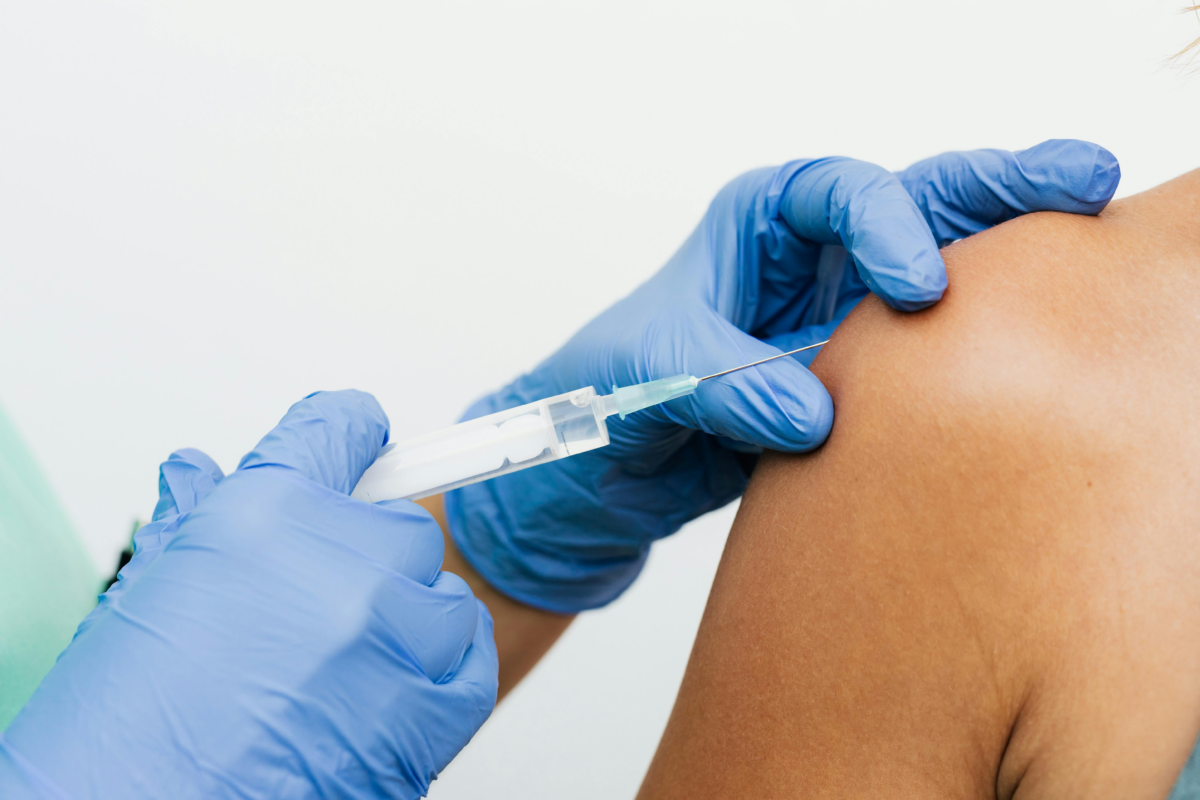
Vaccine

Preventive healthcare plays a crucial role in maintaining long-term well-being and reducing the burden of disease. Two of the most effective strategies in preventive medicine are periodic health screenings and immunizations. These interventions help detect diseases early, prevent complications, and protect both individuals and communities.
Healthcare needs evolve with age, making it essential to follow age-appropriate guidelines. Below is a simplified, practical table outlining recommended screenings and vaccines across different life stages.
Recommended Screenings and Immunizations by Age Group
Age Group
Key Screenings
Immunizations
Notes / Frequency
Infants (0–12 months)
- Newborn metabolic screening
- Hearing & vision screening
- Growth & developmental checks
- Hepatitis B
- DTaP (Diphtheria, Tetanus, Pertussis)
- IPV (Polio)
- Hib
- Rotavirus
- Pneumococcal (PCV)
Frequent pediatric visits (monthly to quarterly)
Toddlers (1–3 years)
- Developmental & autism screening
- Lead screening (if at risk)
- Vision screening
- MMR (Measles, Mumps, Rubella)
- Varicella
- Hepatitis A
- Booster doses of DTaP, Hib, PCV
Annual check-ups recommended
Children (4–12 years)
- Vision & hearing tests
- BMI monitoring
- Behavioral assessment
- DTaP booster
- IPV booster
- Annual influenza vaccine
Promote healthy habits and school readiness
Adolescents (13–18 years)
- Mental health screening (depression/anxiety)
- Substance use screening
- Blood pressure
- HPV vaccine
- Meningococcal vaccine
- Tdap booster
- Annual influenza
Confidential care and counseling important
Young Adults (19–39 years)
- Blood pressure
- Cholesterol (starting ~20 yrs)
- Diabetes screening (if risk factors)
- STI screening
- Influenza (annual)
- HPV (if not completed)
- Tdap every 10 years
- COVID-19 (as recommended)
Lifestyle counseling (diet, exercise, smoking cessation)
Middle-aged Adults (40–64 years)
- Mammogram (women ≥40–50 yrs)
- PSA (men ≥40–50 yrs)
- Colon cancer screening (≥45 yrs)
- Diabetes screening
- Lipid profile
- Blood pressure
- Influenza (annual)
- Tdap booster
- Shingles (≥50 yrs)
- Pneumococcal (select cases)
Screening frequency varies (e.g., colonoscopy every 10 years)
Older Adults (65+ years)
- Bone density (osteoporosis)
- Colon cancer (until ~75 yrs)
- Vision & hearing
- Cognitive screening
- Fall risk assessment
- Influenza (annual)
- Pneumococcal vaccines
- Shingles
- COVID-19 boosters
Focus on functional health and independence
Why Screenings Matter
  • Early Detection: Identifies diseases like cancer, diabetes, and hypertension before symptoms appear
  • Better Outcomes: Early treatment often leads to improved prognosis
  • Cost-Effective: Preventing disease is typically less expensive than treating advanced illness
Why Immunizations Are Essential
  • Disease Prevention: Protects against serious infections such as measles, influenza, and pneumonia
  • Herd Immunity: Reduces spread within communities, protecting vulnerable populations
  • Lifelong Protection: Some vaccines require boosters to maintain immunity over time
Key Takeaways
  • Preventive care is age-specific and continuous
  • Annual check-ups are essential, even when feeling healthy
  • Vaccination schedules should be reviewed regularly with a healthcare provider
  • Individual recommendations may vary based on risk factors, family history, and lifestyle
  • Visit us at oasisrockmedical.com or call 6828826060 to schedule your annual screening appointment today. 

Love as Preventive Medicine

Happy Valentines Day

In primary care, we focus on blood pressure, cholesterol, diabetes, sleep, and exercise. But one powerful health factor is often overlooked in routine visits: love and meaningful connection.

Love isn’t just emotional. It has measurable effects on the brain, heart, immune system, and overall longevity. For family physicians and primary care providers, understanding this connection can help us treat the whole patient - not just lab values.

What Happens in the Body When We Feel Loved?

When someone feels emotionally connected and supported, the body responds in several important ways:

1. Stress Hormones Decrease

Healthy relationships reduce cortisol levels (the primary stress hormone). Lower cortisol is associated with:

  • Better blood pressure control
  • Improved blood sugar regulation
  • Reduced central weight gain
  • Improved sleep

Chronic stress does the opposite.

2. Blood Pressure Improves

Patients in stable, supportive relationships tend to have:

  • Lower resting blood pressure
  • Better heart rate regulation
  • Lower cardiovascular risk

Conversely, high-conflict relationships can increase cardiovascular strain.

3. The Immune System Functions Better

Loneliness has been linked to:

  • Increased inflammation
  • Higher rates of infection
  • Slower recovery from illness

Social connection is associated with lower inflammatory markers and better immune resilience.

Love and Mental Health in Primary Care

Primary care is often the first place patients present with anxiety and depression.

Strong social support:

  • Reduces depressive symptoms
  • Buffers against anxiety
  • Improves coping during life stressors

Isolation, on the other hand, is a major risk factor for mood disorders.

Relationship Quality Matters

It’s not simply marital status - it’s relationship quality.

Supportive relationships are protective.
High-conflict or emotionally unsafe relationships can worsen:

  • Hypertension
  • Insomnia
  • Anxiety
  • Headaches
  • Gastrointestinal complaints

In some cases, relationship stress presents as somatic symptoms.

Love Is Not a Prescription But It Is Preventive

We cannot prescribe love. But we can recognize connection as a protective health factor.

Encourage patients to:

  • Invest in meaningful relationships
  • Maintain regular social interaction
  • Seek help when isolated

The Clinical Bottom Line

In primary care, we treat hypertension, diabetes, anxiety, and insomnia every day.

But connection influences all of them.

Love lowers stress.
Love supports cardiovascular health.
Love improves immune function.
Love protects mental health.

In primary care, caring for relationships may be just as important as managing cholesterol. 

This Valentine’s Day, let’s celebrate love, meaningful connections, and the powerful impact they have on our health.

Diabetes: What Patients Need to Know

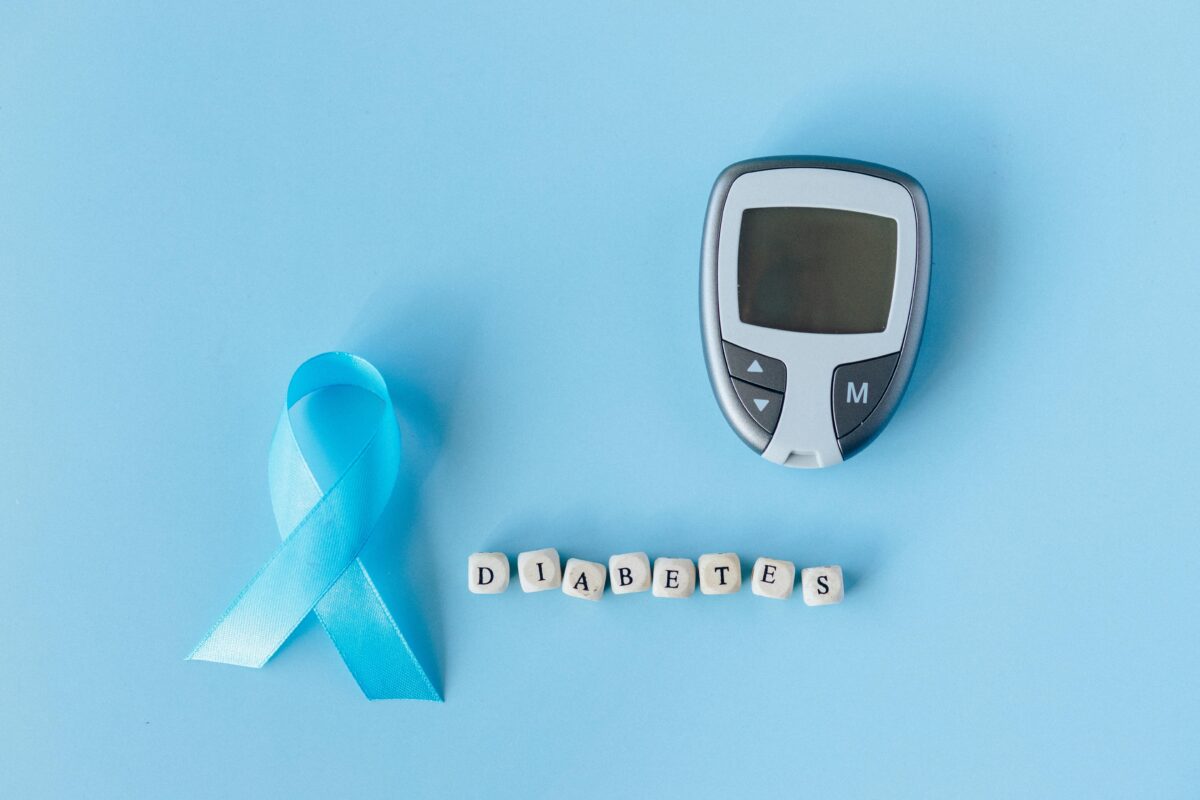
Diabetes

Diabetes

Diabetes is a chronic medical condition that affects how the body regulates blood sugar (glucose). Glucose is the body’s main source of energy, and insulin—a hormone produced by the pancreas—helps move glucose from the blood into the cells. When insulin production or function is impaired, blood sugar levels rise, leading to diabetes.

Types of Diabetes

Type 1 Diabetes: An autoimmune condition where the body produces little or no insulin. It often begins in childhood or adolescence and requires lifelong insulin therapy.

Type 2 Diabetes: The most common form. The body does not use insulin effectively or does not produce enough. It is influenced by genetics, lifestyle, and age.

Gestational Diabetes: Occurs during pregnancy and usually resolves after delivery but increases future risk of Type 2 diabetes.

Why Diabetes Matters

According to the World Health Organization, over 800 million people worldwide are living with diabetes. In the United States, about 1 in 10 adults has diabetes, and millions more have prediabetes but are undiagnosed. Early detection is critical, as uncontrolled diabetes can lead to heart disease, kidney failure, vision loss, and nerve damage.

Common Symptoms

  • Increased thirst
  • Frequent urination
  • Increased hunger (eating more than usual)
  • Fatigue
  • Blurred vision
  • Slow healing of cuts or wounds

Some patients, especially with Type 2 diabetes, may have no symptoms initially, making regular screening essential.

Management and Care

Diabetes management focuses on maintaining healthy blood sugar levels through:

  • Balanced nutrition
  • Regular physical activity
  • Blood glucose monitoring
  • Medications or insulin when prescribed

With proper medical care and lifestyle support, patients with diabetes can live healthy, active lives.

Our Commitment
At our clinic, we prioritize early diagnosis, patient education, and personalized treatment plans to help prevent complications and improve long-term outcomes.

If you have risk factors for diabetes or concerns about your blood sugar, we encourage you to schedule a screening with our healthcare team

References
World Health Organization (WHO). Diabetes Fact Sheet

Centers for Disease Control and Prevention (CDC). National Diabetes Statistics Report

American Diabetes Association (ADA). Standards of Medical Care in Diabetes

Primary Care is Preventive Care

Preventive Care

What Is Primary Care?

Primary care is your first point of contact with the healthcare system. It includes routine checkups, screenings, vaccinations, and ongoing management of chronic conditions. More importantly, it’s about building a long-term relationship with a provider who understands your health history, lifestyle, and goals.

Prevention Starts With Consistency

Seeing a primary care provider regularly allows potential health issues to be identified early - often before they become serious or costly. Conditions like high blood pressure, diabetes, high cholesterol, and certain cancers can be managed more effectively when caught early.

Preventive care may include:

  • Annual wellness exams
  • Blood pressure, cholesterol, and blood sugar screenings
  • Immunizations and booster shots
  • Women’s and men’s health screenings
  • Lifestyle counseling for nutrition, exercise, and stress management

These simple steps can significantly reduce the risk of long-term complications.

Prevention Helps Cut Down on ER and Hospital Visits

For patients living with chronic conditions, primary care plays a critical role in prevention. Regular monitoring and medication management help prevent flare-ups, hospital visits, and disease progression. Instead of reacting to emergencies, primary care focuses on keeping you stable, informed, and supported.

Prevention Saves Time, Stress, and Money

Preventive care doesn’t just protect your health. It also helps reduce medical costs and time spent dealing with avoidable illnesses. A routine visit today can prevent more serious (and expensive) treatments tomorrow.

Your Partner in Lifelong Health

At OasisRock Medical Centre, we’re committed to being your partner in prevention. Our approach to primary care is centered on preventive care, education, and continuity of care, so you can live a healthier, more confident life.

Take charge of your health today by scheduling a visit with our primary care team.

👉Call 6828826060 today to book your preventive care appointment.

Preventive Care