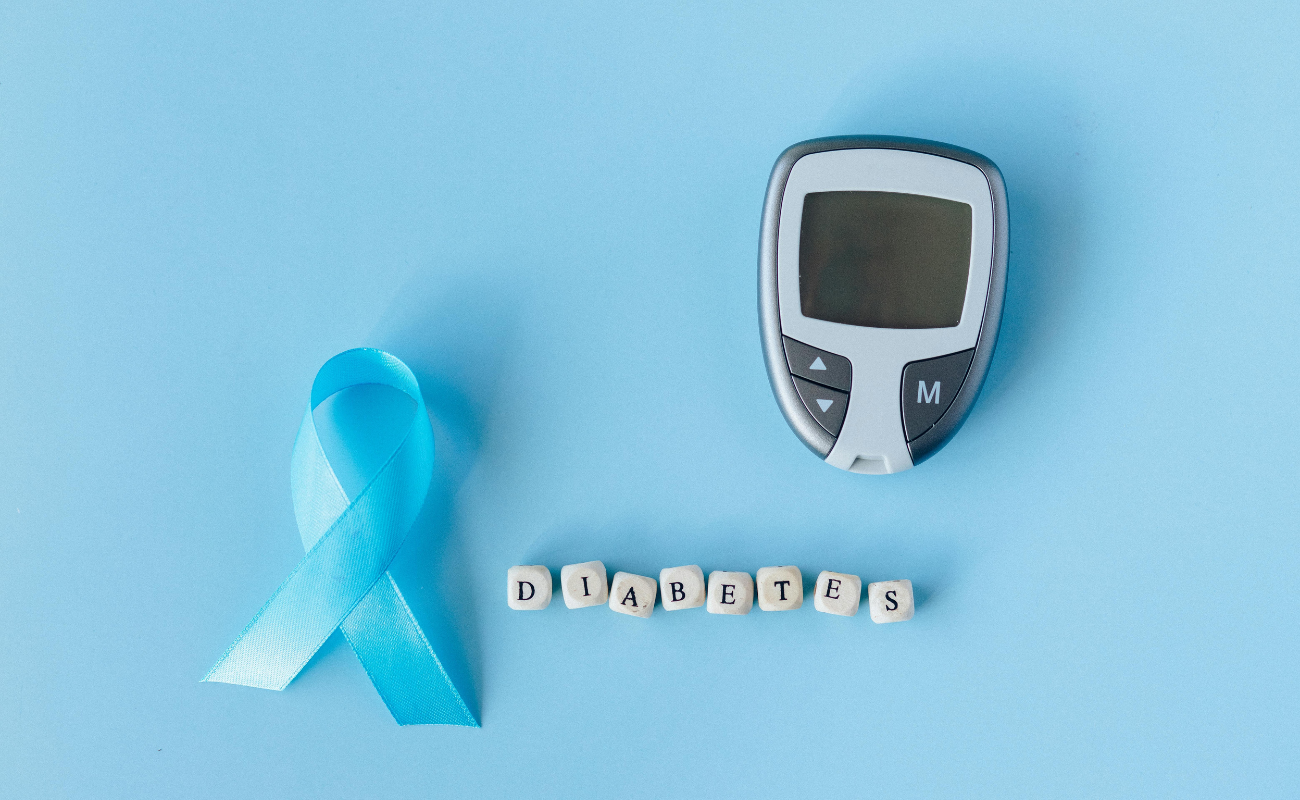
Understanding Type 1.5 Diabetes (LADA): The Overlooked Form of Diabetes

LADA

When most people think of diabetes, they think of Type 1 or Type 2. But there’s another form that sits in between -often misunderstood and frequently misdiagnosed. It’s commonly called Type 1.5 diabetes, medically known as Latent Autoimmune Diabetes in Adults (LADA).
This blog breaks down what Type 1.5 diabetes is, how it differs from other types, symptoms to watch for, and treatment options.
What Is Type 1.5 Diabetes?
Type 1.5 diabetes is a slow-progressing autoimmune disease. Like Type 1 diabetes, the immune system attacks the insulin-producing beta cells in the pancreas. However, unlike classic Type 1, it develops gradually and typically appears in adulthood.
Because it progresses more slowly, many people are initially diagnosed with Type 2 diabetes.
Why Is It Called “Type 1.5”?
The nickname exists because LADA shares features of both major types:
Feature
Type 1
Type 2
Type 1.5 (LADA)
Autoimmune?
✅ Yes
❌ No
✅ Yes
Insulin resistance?
Sometimes mild
Age at diagnosis
Often childhood
Usually adults
Adults (30+)
Immediate insulin required?
Yes
Not always
Eventually yes
What Causes LADA?
LADA is an autoimmune condition. The body mistakenly attacks its own insulin-producing cells. Researchers believe a combination of:
  • Genetic susceptibility
  • Environmental triggers
  • Immune system dysfunction
may contribute to its development.
Organizations such as the American Diabetes Association recognize LADA as a distinct autoimmune form of diabetes.
Symptoms of Type 1.5 Diabetes
Symptoms may resemble Type 2 at first but gradually worsen.
Common signs include:
  • Increased thirst
  • Frequent urination
  • Unexplained weight loss
  • Fatigue
  • Blurred vision
  • Slow healing wounds
Because symptoms develop slowly, diagnosis can be delayed.
How Is It Diagnosed?
Doctors may suspect LADA if:
  • Blood sugar remains uncontrolled despite oral medications
  • The patient is not overweight
  • There is a personal or family history of autoimmune disease
Key Tests:
  • Autoantibody testing (such as GAD antibodies)
  • C-peptide levels (to measure insulin production)
  • Fasting glucose and HbA1c
The presence of specific autoantibodies confirms the autoimmune nature of the disease.
Treatment for Type 1.5 Diabetes
Unlike typical Type 2 diabetes, LADA eventually requires insulin therapy.
Early Stage:
  • Lifestyle changes (diet and exercise)
  • Sometimes oral medications
Later Stage:
  • Insulin injections (often within a few years of diagnosis)
Early insulin therapy may help preserve remaining beta-cell function.
Treatment plans should be individualized and monitored by an endocrinologist.
How Is It Different from Type 2 Diabetes?
Many adults with LADA are misdiagnosed with Type 2 because:
  • They are diagnosed after age 30
  • They may not initially require insulin
  • Symptoms progress gradually
However, treating LADA as Type 2 for too long can delay appropriate insulin therapy and lead to poor glucose control.
Living with LADA
Managing Type 1.5 diabetes involves:
  • Regular blood sugar monitoring
  • Balanced nutrition
  • Physical activity
  • Stress management
  • Consistent medical follow-ups
With proper care, individuals with LADA can live full, healthy lives.
Final Thoughts
Type 1.5 diabetes (LADA) highlights that diabetes is not a one-size-fits-all condition. Correct diagnosis is crucial for proper treatment. If blood sugar remains difficult to control despite typical Type 2 therapies, discussing antibody testing with a healthcare provider may be important.
Contact us to schedule an appointment at oasisrockmedical.com if you think that you are having any symptoms of diabetes or call us at 6828826060 to schedule an appointment. Remember understanding your diagnosis empowers you to take control of your health; and early action makes a meaningful difference. 

Spring Allergies: Causes, Symptoms, and Effective Treatment Options

SPRING ALLERGIES

Spring brings warmer weather, blooming flowers, and longer days. Unfortunately, it also marks the beginning of spring allergy season for millions of people. Sneezing, congestion, itchy eyes, and fatigue are common symptoms that can interfere with daily life.

Understanding the causes of seasonal allergies and learning how to manage them can help you enjoy spring more comfortably.

What Causes Spring Allergies?

Spring allergies are typically triggered by pollen from trees and plants. During the spring months, many trees release pollen into the air to fertilize other plants. These tiny particles travel easily through the wind and can enter the nose, eyes, and lungs.

When someone with allergies inhales pollen, their immune system mistakenly identifies it as harmful. The body then releases histamine, which leads to inflammation and allergy symptoms.

Common spring pollen sources include:

  • Oak trees
  • Birch trees
  • Cedar trees
  • Maple trees
  • Early grasses

Pollen counts tend to be highest during warm, dry, and windy days, making symptoms worse during those conditions.

Common Spring Allergy Symptoms

Seasonal allergies, also called seasonal allergic rhinitis (hay fever), can cause a variety of symptoms.

Typical spring allergy symptoms include:

  • Sneezing
  • Runny nose
  • Nasal congestion
  • Itchy nose or throat
  • Watery or itchy eyes
  • Postnasal drip
  • Sinus pressure
  • Fatigue

In people with asthma, pollen exposure may also trigger coughing, wheezing, or shortness of breath.

Who Is Most At Risk?

Certain factors increase the risk of developing allergies, including:

  • Family history of allergies or asthma
  • Having eczema or other allergic conditions
  • Living in areas with high pollen counts
  • Exposure to environmental allergens early in life

Although allergies often begin in childhood or young adulthood, they can develop at any age.

How Allergies Are Diagnosed

A healthcare provider can usually diagnose seasonal allergies based on symptoms and medical history. If the trigger is unclear, allergy testing may be recommended.

Diagnostic tests may include:

  • Skin prick testing to identify specific allergens
  • Blood tests measuring allergen-specific antibodies

These tests help determine which pollen types are causing the allergic reaction.

Effective Treatments for Spring Allergies

Fortunately, several effective treatments can help control symptoms.

  1. Antihistamines
    These medications block histamine, the chemical responsible for many allergy symptoms. They are available as pills, liquids, and nasal sprays.
  2. Nasal corticosteroid sprays
    These reduce inflammation in the nasal passages and are considered one of the most effective treatments for seasonal allergies.
  3. Decongestants
    Decongestants can relieve nasal congestion but should only be used for short periods.
  4. Allergy immunotherapy
    For people with severe allergies, allergy shots or sublingual tablets may help gradually reduce sensitivity to allergens over time.

Practical Ways to Reduce Exposure

Simple lifestyle adjustments can significantly reduce allergy symptoms:

Helpful strategies include:

  • Checking daily pollen forecasts
  • Keeping windows closed during high pollen days
  • Showering and changing clothes after outdoor activities
  • Using HEPA air filters at home
  • Wearing sunglasses outdoors to protect eyes

When to See a Doctor

Medical evaluation is recommended if:

  • Symptoms interfere with daily activities or sleep
  • Over-the-counter medications do not provide relief
  • Asthma symptoms worsen during allergy season
  • Sinus infections occur frequently

A healthcare provider can recommend personalized treatment plans and determine whether advanced therapies are needed.

Wrapping Up

Spring allergies are common, but they don't have to control your life. With the right treatment plan and preventive strategies, most people can significantly reduce their symptoms and enjoy the season.

If you struggle with persistent allergy symptoms each spring, visit us at oasisrockmedical.com or call us at (682) 882 6060 to schedule an appointment.

Understanding Ureaplasma and Mycoplasma: What You Need to Know

When it comes to sexually transmitted and genital tract infections, most people think of well-known bacteria like chlamydia or gonorrhea. However, lesser-known organisms such as Ureaplasma and Mycoplasma can also play a significant role in urogenital health.


Let’s learn how they spread, symptoms to watch for, testing, and treatment options.

What Are Ureaplasma and Mycoplasma?

Ureaplasma and Mycoplasma are types of very small bacteria that belong to the class Mollicutes. Unlike most bacteria, they lack a cell wall, which makes them unique and affects how they are treated.

Two of the most clinically relevant species include:

  • Mycoplasma genitalium
  • Ureaplasma urealyticum

In humans, there are two main clinically recognized species of Ureaplasma:

  1. Ureaplasma urealyticum
    • Historically associated with non-gonococcal urethritis
    • Can be linked to infertility and pregnancy complications
      May be symptomatic or asymptomatic
  2. Ureaplasma parvum
    • More commonly found in healthy individuals
    • Often considered part of normal genital flora
    • Usually causes fewer symptoms, though it can still be associated with infection in some cases

Types of Mycoplasma

The genus Mycoplasma contains many species, but only some infect humans. The most clinically important types include:

1️. Mycoplasma genitalium
  • Sexually transmitted
  • Causes urethritis in men
  • Causes cervicitis and pelvic inflammatory disease (PID) in women
  • Known for increasing antibiotic resistance
2️. Mycoplasma hominis
  • Found in the genital tract
  • Associated with bacterial vaginosis
  • Linked to postpartum and pelvic infections
3️. Mycoplasma pneumoniae
  • Causes atypical (“walking”) pneumonia
  • Spread through respiratory droplets
  • Not sexually transmitted
4️. Mycoplasma fermentans
  • Less clearly understood
  • Sometimes found in immunocompromised individuals

How Are They Transmitted?

These organisms are primarily spread through:

  • Sexual contact (vaginal, anal, and sometimes oral)
  • From mother to baby during childbirth

Symptoms 

It’s important to note that Ureaplasma species can sometimes be present without causing symptoms, meaning some people carry them without knowing.

Many people are asymptomatic. When symptoms occur, they may include:

In Women:

  • Vaginal discharge
  • Pelvic pain
  • Painful urination
  • Bleeding after intercourse
  • Fertility complications (in some cases)

In Men:

  • Burning during urination
  • Urethral discharge
  • Testicular discomfort


Mycoplasma genitalium, in particular, has been strongly associated with non-gonococcal urethritis in men and cervicitis in women.

Symptom Comparison

Urogenital Species

Infection

Common in Men

Common in Women

Notes

Mycoplasma genitalium

Urethral burning, discharge

Cervicitis, pelvic pain, abnormal bleeding

Strong STI association

Mycoplasma hominis

Often asymptomatic

Bacterial vaginosis, postpartum infections

May coexist with BV

Ureaplasma urealyticum

Non-gonococcal urethritis

Vaginal discharge, pelvic discomfort

Sometimes linked to infertility

Ureaplasma parvum

Usually none

Usually none

Often part of normal flora

Respiratory Species

Infection

Symptoms

Transmission

Mycoplasma pneumoniae

Dry cough, fever, fatigue (“walking pneumonia”)

Respiratory droplets

Potential Complications

If left untreated, these infections may contribute to:

  • Pelvic inflammatory disease (PID)
  • Infertility
  • Preterm birth
  • Increased susceptibility to other STIs

However, research is ongoing to fully understand their long-term impact, especially for Ureaplasma, which may be part of normal genital flora in some individuals.

Testing and Diagnosis

Testing typically involves:

  • Urine samples
  • Vaginal or urethral swabs
  • PCR (polymerase chain reaction) testing

Routine screening is not always recommended unless symptoms are present or recurrent infections occur. 

Treatment Options

Because these bacteria lack a cell wall, they are treated with specific antibiotics such as:

  • Doxycycline
  • Azithromycin
  • Moxifloxacin (for resistant cases)

Antibiotic resistance, especially with Mycoplasma genitalium, is a growing concern worldwide. Proper diagnosis and medical supervision are important.

Sexual partners may also need evaluation and treatment to prevent reinfection.

Prevention Tips

  • Use condoms consistently and correctly
  • Get tested if you experience symptoms
  • Avoid multiple sexual partners without protection
  • Follow your healthcare provider’s treatment plan fully

Not all positive tests require treatment. Clinical symptoms, inflammation, and risk factors guide decisions. If you’re experiencing persistent urogenital symptoms, and need testing, visit us at oasisrockmedical.com or call us at (682) 882 6060 to schedule an appointment.

The Truth About Vitamin Supplements

Vitamin

Vitamins are tiny nutrients with a huge impact. Your body needs them in small amounts, but without them, essential processes like energy production, immunity, and cell repair simply wouldn’t function properly. Whether you're aiming for better health, stronger immunity, or glowing skin, understanding vitamins is a great place to start.

What Are Vitamins?

Vitamins are organic compounds that your body needs to function correctly. Unlike carbohydrates, proteins, and fats, vitamins don’t provide energy directly — but they help your body unlock energy from food and support critical biological processes.

Most vitamins must come from your diet because your body either doesn’t produce them at all or doesn’t produce enough.

The Two Main Types of Vitamins

Vitamins are classified into two main categories:

1. Fat-Soluble Vitamins

These vitamins dissolve in fat and are stored in the liver and fatty tissues. Because they are stored, you don’t need them every day — but excess amounts can accumulate.

  • Vitamin A – Supports vision and immune function
  • Vitamin D – Helps the body absorb calcium for strong bones
  • Vitamin E – Acts as an antioxidant
  • Vitamin K – Essential for blood clotting

2. Water-Soluble Vitamins

These dissolve in water and are not stored in large amounts, so they need to be consumed regularly.

  • Vitamin C – Supports immunity and skin health
  • B-Complex Vitamins, including:
    • B1 (Thiamine)
    • B2 (Riboflavin)
    • B3 (Niacin)
    • B5 (Pantothenic Acid)
    • B6
    • B7 (Biotin)
    • B9 (Folate)
    • B12

These vitamins primarily help with energy production, brain function, and cell metabolism.

Do You Really Need These Vitamins?

Here’s how vitamins impact your body:

Energy Production

B vitamins help convert food into usable energy.

Immune Support

Vitamins C, D, and A play critical roles in supporting your immune system.

Bone Health

Vitamin D and K help regulate calcium and maintain bone density.

Brain Function

B vitamins and Vitamin E support cognitive performance and nerve function.

Skin and Hair Health

Biotin, Vitamin C, and Vitamin A contribute to healthy skin and hair growth.

What Happens If You Don’t Get Enough?

Vitamin deficiencies can lead to serious health issues. For example:

  • Vitamin D deficiency can cause bone weakness.
  • Vitamin C deficiency can lead to scurvy.
  • Vitamin B12 deficiency may cause fatigue and nerve problems.

Even mild deficiencies can result in low energy, weakened immunity, and mood changes.

Should You Take Supplements?

While a balanced diet is the best way to get vitamins, supplements can help in certain situations — such as pregnancy, restricted diets, aging, or diagnosed deficiencies.

However, more isn’t always better. High doses of fat-soluble vitamins, in particular, can be harmful. It’s always best to consult a healthcare professional before starting supplements.

Best Natural Sources of Vitamins

Here are some vitamin-rich foods to include in your diet:

  • Leafy greens (spinach, kale)
  • Citrus fruits (oranges, lemons)
  • Nuts and seeds
  • Whole grains
  • Dairy products
  • Eggs
  • Fish (especially fatty fish like salmon)

Eating a colorful, varied diet is one of the simplest ways to ensure you’re getting a broad spectrum of nutrients.

Healthy Takeaway

Vitamins may be small, but their impact on your health is enormous. From strengthening your immune system to supporting brain and bone health, these essential nutrients keep your body running smoothly every day.

The key? Balance. Focus on whole foods, maintain variety in your meals, and use supplements wisely when needed. Your body will thank you for it.