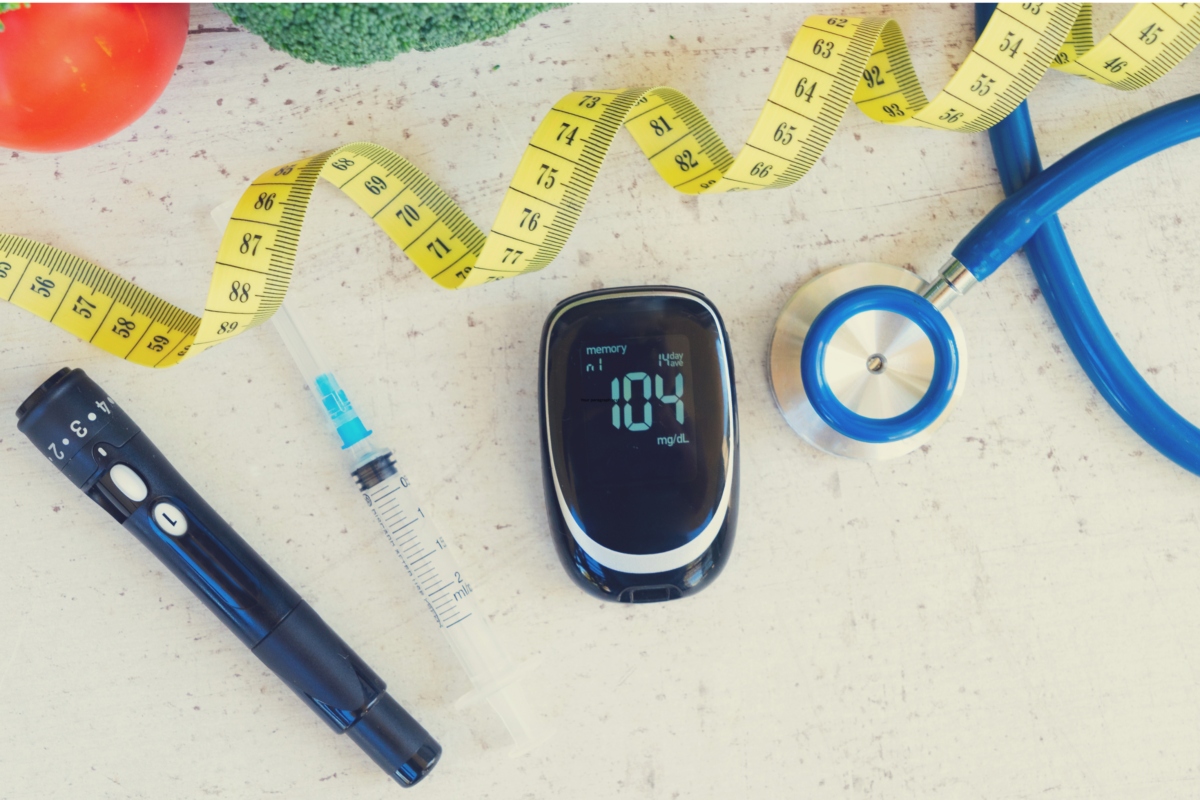
Understanding Prediabetes Before It Becomes Diabetes

Prediabetes

Have you been told you have prediabetes? You're not alone. Millions of Americans have prediabetes, and many don't even know it.

The good news? Prediabetes can often be reversed before it becomes type 2 diabetes.

What Is Prediabetes?

Prediabetes means your blood sugar is higher than normal but not high enough to be diagnosed as diabetes.

Think of it as your body's early warning system.

Without lifestyle changes, prediabetes can lead to:

  • Type 2 diabetes
  • Heart disease
  • Stroke
  • Kidney problems
 
Could You Have Prediabetes?

You may be at higher risk if you:

  • Are overweight
  • Have a family history of diabetes
  • Are physically inactive
  • Have high blood pressure
  • Are over age 45

Many people have no symptoms, which is why routine checkups are important.

 
Can It Be Reversed?

In many cases, yes.

Small changes can make a big difference:

Move more

Aim for at least 30 minutes of activity most days of the week.

Eat healthier

Choose more vegetables, lean proteins, fruits, and whole grains. Cut back on sugary drinks and processed foods.

Lose a little weight

Losing just 5–10% of your body weight can significantly lower your risk of developing diabetes.

Get enough sleep

Poor sleep can affect blood sugar levels and overall health.


The Tests and Numbers You Should Know
Hemoglobin A1C Test

This test measures average blood sugar levels over the previous three months.

  • Normal: Below 5.7%

  • Prediabetes: 5.7% to 6.4%

  • Diabetes: 6.5% or higher

 
Fasting Blood Glucose Test
This test measures blood sugar after fasting overnight.
  • Normal: Less than 100 mg/dL
  • Prediabetes: 100–125 mg/dL
  • Diabetes: 126 mg/dL or higher
 
When Should You Get Tested?

If you have risk factors or haven't had blood work recently, talk with your healthcare provider about screening.

 
How OasisRock Can Help

Managing prediabetes isn't about following a perfect diet or making drastic changes overnight. It's about creating a realistic plan that works for your lifestyle.

We can help:

  • Identify risk factors early
  • Monitor blood sugar levels
  • Develop achievable nutrition goals
  • Support healthy weight management
  • Manage related conditions such as high blood pressure and high cholesterol

Take the Next Step

If you have risk factors for diabetes or haven't had a wellness exam recently, now is a great time to schedule a visit.

A quick conversation and routine blood work can provide valuable insight into your health and help you stay ahead of potential problems before they become serious.

Prediabetes doesn't mean you will develop diabetes. It means you have an opportunity to make changes now that can protect your health for years to come.

Call OasisRock at 682 882 6060 to schedule a visit or visit us online at https://oasisrockmedical/schedule to schedule an appointment. Remember preventive care is primary care
Could Your Earbuds Be Causing Swimmer’s Ear? 

swimmers ear

What You Need to Know About Ear Health and Earbud Use 

Earbuds have become a daily necessity for many people. Whether you're listening to music, taking calls, attending virtual meetings, or enjoying podcasts, chances are your earbuds spend hours in your ears every day. While they offer convenience and great sound quality, few people realize that frequent earbud use may increase the risk of developing a painful condition known as swimmer's ear.

Contrary to its name, swimmer's ear isn't limited to swimmers. In fact, your favorite pair of earbuds could be creating the perfect environment for this common ear infection.


What Is Swimmer's Ear?

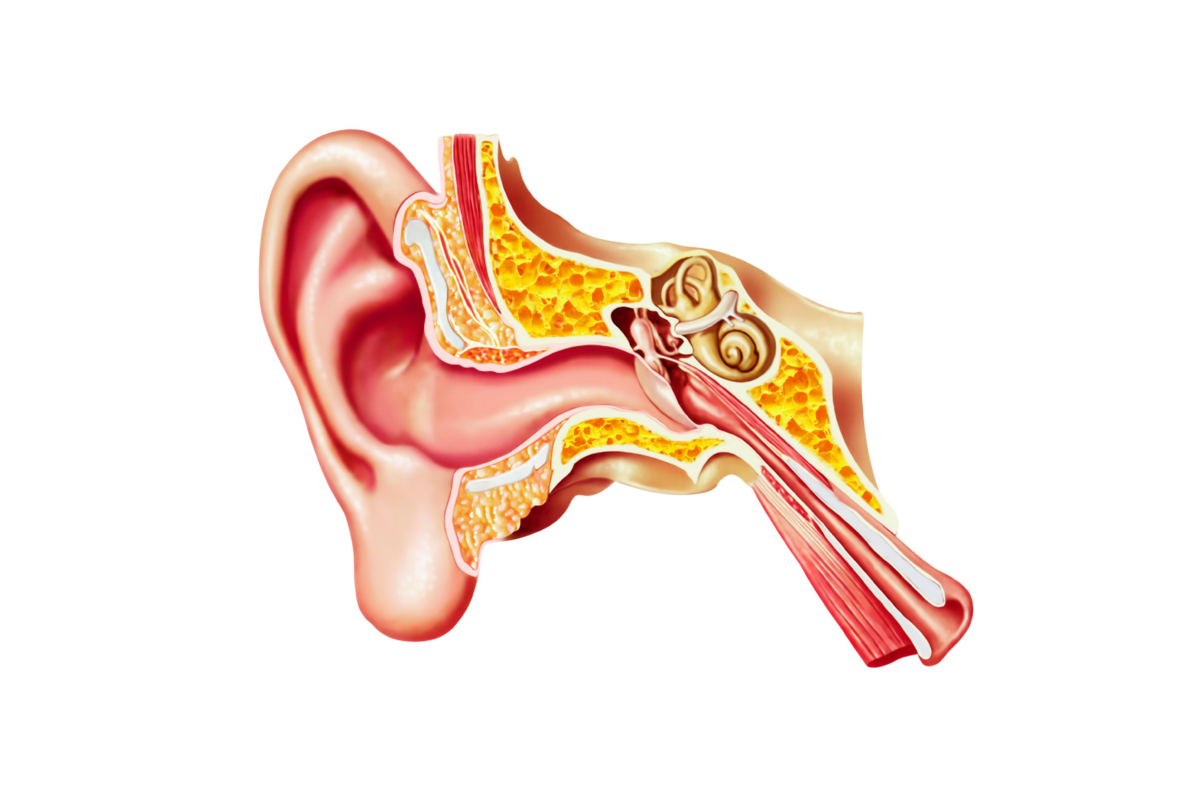
Swimmer's ear, medically known as otitis externa, is an infection of the outer ear canal, the passage that runs from the outside of the ear to the eardrum. The condition typically occurs when moisture becomes trapped in the ear canal, allowing bacteria or fungi to grow.


Common symptoms include:
  • Ear pain or discomfort

  • Itching inside the ear

  • Redness and swelling

  • Drainage from the ear

  • A feeling of fullness or blockage

  • Temporary hearing difficulties

While swimming is a well-known cause, any activity or habit that traps moisture and bacteria in the ear canal can contribute to the condition.


How Earbuds Can Increase the Risk

1. They Can Trap Moisture

When earbuds sit snugly inside the ear canal, they can reduce airflow and trap moisture from sweat, humidity, or even residual water after a shower. Warm, damp environments are ideal breeding grounds for bacteria and fungi.

2. They Can Harbor Bacteria

Earbuds accumulate earwax, sweat, skin oils, and dirt over time. If they aren't cleaned regularly, bacteria can multiply on their surfaces. When inserted into the ear without proper cleaning, they may introduce germs directly into the ear canal. 

3. They May Cause Minor Irritation

Frequent insertion and removal of earbuds can create tiny scratches or irritation inside the ear canal. These small breaks in the skin make it easier for bacteria to enter and cause infection.

4. Extended Wear Reduces Ventilation

Many people wear earbuds for several hours each day. Prolonged use limits ventilation within the ear canal, increasing the likelihood of moisture retention and creating favorable conditions for infection.


Tips to Prevent Swimmer's Ear 

Fortunately, you don't have to give up wearing earbuds altogether. A few simple habits can significantly reduce your risk.

Clean Your Earbuds Regularly

Wipe earbuds according to the manufacturer's cleaning recommendations. Regular cleaning helps reduce bacterial buildup and keeps debris from accumulating. 

Keep Your Ears Dry

After swimming, showering, or exercising, dry your ears before inserting earbuds.

Take Breaks Throughout the Day

Removing earbuds periodically allows airflow into the ear canal and helps reduce moisture buildup.

Avoid Sharing Earbuds

Sharing earbuds can transfer bacteria and increase the risk of infection.

Love Your Earbuds. Clean Them, Too. 

Earbuds have transformed the way we communicate and consume entertainment, but they can also contribute to swimmer's ear when used improperly. Moisture retention, bacterial buildup, and prolonged wear can create conditions that increase the likelihood of infection.

By practicing good earbud hygiene and paying attention to ear health, you can continue enjoying your favorite audio content while reducing your risk of developing this uncomfortable condition.

Concerned about an ear infection? Contact our clinic today at 682 882 6060 or visit oasisrockmedical.com/schedule to schedule an appointment. 

Remember your earbuds may be smart, but keeping them clean is even smarter.

June Health Reflection: The Perfect Time to Establish Care with a New Primary Care Provider

Health

As we move through the middle of the year, it's a great time to check in on something that often gets pushed aside - your health.

Whether you've recently moved, changed insurance plans, haven't seen a doctor in years, or are simply looking for a healthcare provider who truly listens, taking that first step isn't always easy.

That's why we're excited to announce that we are accepting new patients.

We Are Accepting New Patients

Life gets busy. Between work, family responsibilities, summer activities, and everyday commitments, it's common to put your health on the back burner. Many people delay appointments because they're nervous, unsure where to start, or worried about what they might hear.

At OasisRock, we believe healthcare should be a partnership - not a lecture.

No matter where you are in your health journey, you'll be welcomed with compassion, respect, and personalized care.

What New Patients Can Expect

When you visit us for the first time, our goal is simple: to get to know you.

We take the time to understand your medical history, discuss your concerns, answer your questions, and create a care plan that fits your individual needs. Whether you're coming in for an annual wellness visit, preventive care, managing a chronic condition, or addressing a new health concern, we're here to help.

We are committed to providing:

  • Personalized medical care

  • Preventive health screenings

  • Chronic disease management

  • Timely appointments when available

  • Clear communication and patient education

  • A comfortable and welcoming environment

Your Questions Matter

Many patients tell us they appreciate having a provider who listens. We encourage you to ask questions, discuss symptoms, and share your health goals openly.

Healthcare decisions can be complex, and understanding your options is important. We believe informed patients make empowered healthcare choices.

Putting Your Health First

Your health impacts every aspect of your life - from your energy levels and productivity to your relationships and overall well-being. Regular visits with a primary care provider can help identify potential concerns early, manage existing conditions effectively, and support a healthier future.

Even if you're feeling well, preventive care plays a vital role in maintaining long-term health.

If you've been meaning to schedule a checkup but haven't found the time, consider this your reminder: there is still plenty of time this year to invest in your health.

Schedule Your First Appointment Today

We are currently accepting new patients and look forward to welcoming you to our practice. Contact our office at 682 882 6060 or visit oasisrockmedical.com/schedule to schedule an appointment and begin your journey toward better health.

High Blood Pressure: The Silent Threat You Shouldn’t Ignore

High Blood Pressure

High blood pressure, also known as hypertension, affects millions of people worldwide and is one of the leading causes of heart disease, stroke, kidney disease, and premature death. What makes hypertension particularly dangerous is that it often develops without noticeable symptoms, earning it the nickname "the silent killer."

What Is High Blood Pressure?

Blood pressure is the force of blood pushing against the walls of your arteries as your heart pumps. It is measured using two numbers:

  • Systolic pressure (top number): The pressure when the heart beats.
  • Diastolic pressure (bottom number): The pressure when the heart rests between beats.

A normal blood pressure reading is generally considered less than 120/80 mmHg.

Why Does High Blood Pressure Matter?

Over time, elevated blood pressure damages blood vessels and vital organs throughout the body. Uncontrolled hypertension can increase the risk of:

  • Heart attack
  • Stroke
  • Heart failure
  • Kidney disease
  • Vision problems
  • Cognitive decline and dementia

The higher your blood pressure and the longer it remains uncontrolled, the greater the risk of complications.

Common Causes and Risk Factors

Several factors can contribute to high blood pressure, including:

  • Family history of hypertension
  • Excess body weight
  • Physical inactivity
  • High sodium intake
  • Excessive alcohol consumption
  • Smoking
  • Chronic stress
  • Diabetes
  • Sleep apnea
  • Advancing age

In many cases, multiple factors work together to raise blood pressure over time.

Many people with hypertension may feel completely normal especially at the onset. However, severely elevated blood pressure may sometimes cause:

  • Headaches
  • Dizziness
  • Blurred vision
  • Chest pain
  • Shortness of breath
How Is High Blood Pressure Diagnosed?

A diagnosis is usually made after multiple elevated readings taken on different occasions. Home blood pressure monitoring can also provide valuable information and help identify patients with white-coat hypertension or masked hypertension.

Lifestyle Changes That Can Lower Blood Pressure

Lifestyle modifications can significantly improve blood pressure and overall health.

1. Reduce Sodium Intake

A low sodium diet can help lower blood pressure.

2. Maintain a Healthy Weight

Even modest weight loss can have a meaningful impact on blood pressure control.

3. Exercise Regularly

Aim for at least 150 minutes of moderate-intensity physical activity like walking each week.

4. Eat a Heart-Healthy Diet

Focus on vegetables, fruits, whole grains, lean proteins, and healthy fats.

5. Limit Alcohol

Excessive alcohol intake can raise blood pressure and increase cardiovascular risk.

6. Quit Smoking

Smoking damages blood vessels and significantly increases the risk of heart disease and stroke.

7. Manage Stress

Techniques such as meditation, deep breathing, adequate sleep, and regular physical activity can help reduce stress-related blood pressure elevations.

When Are Medications Needed?

For some individuals, lifestyle changes alone may not be enough. Blood pressure medications can effectively reduce the risk of heart attack, stroke, and other complications.

Common medication classes that help treat high blood pressure include:

  • ACE inhibitors
  • ARBs
  • Calcium channel blockers
  • Diuretics
  • Beta blockers

Your physician will determine the most appropriate treatment plan based on your overall health and individual risk factors.

Take Control of Your Health Today. If you need help with controlling your blood pressure visit us at oasisrockmedical.com/schedule or call 682 882 6060 to schedule your primary care appointment.