
Blog

Related Posts
17
Jul
Let’s talk Cholesterol
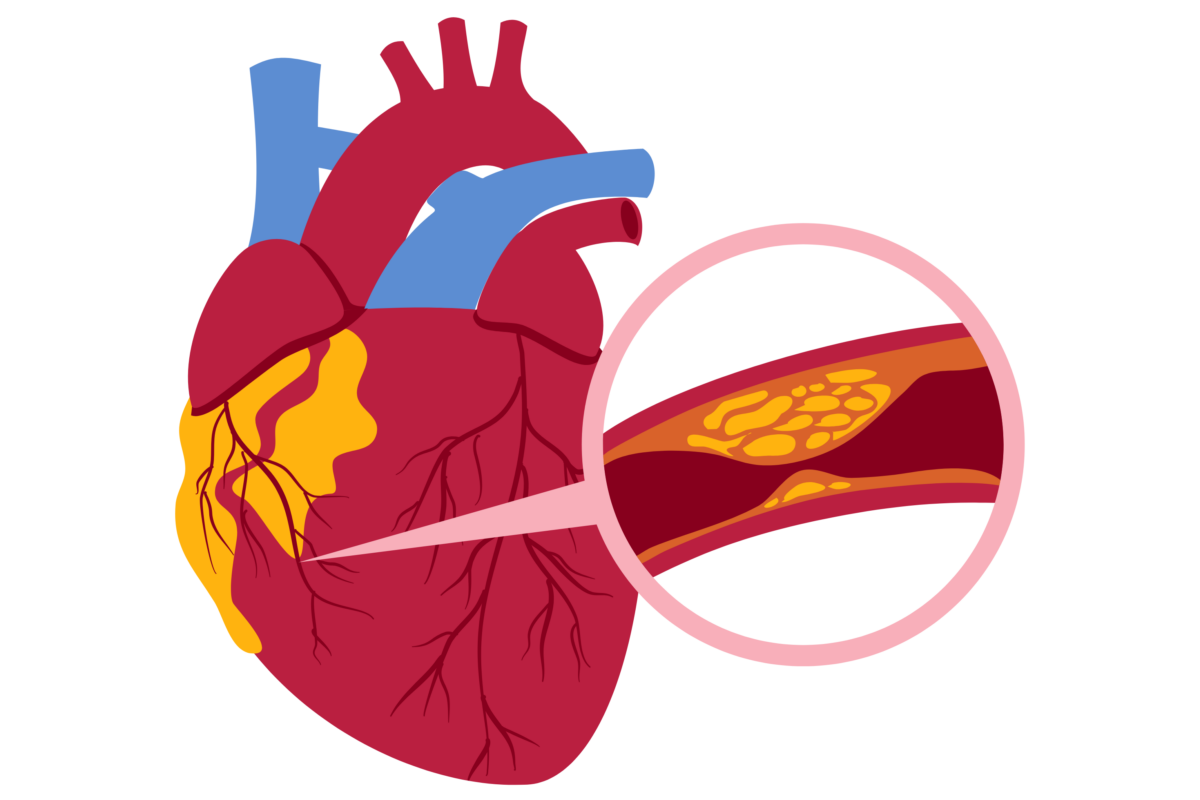
Cholesterol is often viewed as something harmful, but the truth is more complex. It is a waxy, fat-like substance that plays a vital role in keeping your body healthy. Every cell in your body contains cholesterol, and it is essential for producing hormones, vitamin D, and substances that help digest food.
While cholesterol is necessary for normal body function, having too much of certain types can increase the risk of heart disease and stroke.
What Is Cholesterol?
Cholesterol is a type of lipid (fat) that circulates in your bloodstream. Your body naturally produces most of the cholesterol it needs in the liver. The rest comes from the foods you eat, particularly those high in saturated and trans fats.
Types of Cholesterol
Low-Density Lipoprotein (LDL) – "Bad" Cholesterol
LDL cholesterol is often referred to as "bad cholesterol" because high levels can lead to the buildup of fatty deposits, known as plaque, inside your arteries. Over time, plaque narrows the arteries, making it harder for blood to flow. This condition, called atherosclerosis, increases the risk of:
Heart attack
Stroke
Peripheral artery disease
Lowering LDL cholesterol is a key goal in reducing cardiovascular risk.
High-Density Lipoprotein (HDL) – "Good" Cholesterol
HDL cholesterol is known as "good cholesterol" because it helps remove excess cholesterol from the bloodstream and carries it back to the liver, where it can be broken down and eliminated from the body.
Higher HDL levels are generally associated with a lower risk of heart disease.
Triglycerides
Although not a type of cholesterol, triglycerides are another important blood fat. High triglyceride levels, especially when combined with high LDL or low HDL, can further increase the risk of cardiovascular disease.
Why High Cholesterol Is a Concern
High cholesterol usually develops without causing noticeable symptoms. Many people are unaware they have elevated cholesterol until it is detected through a routine blood test.
If left untreated, high cholesterol can contribute to:
Coronary artery disease
Heart attack
Stroke
Reduced blood flow to the limbs
Because it is often symptom-free, high cholesterol is sometimes called a "silent risk factor."
Risk Factors for High Cholesterol
Several factors can increase cholesterol levels, including:
Diet high in saturated and trans fats
Lack of physical activity
Being overweight or obese
Smoking
Excessive alcohol consumption
Diabetes
Chronic kidney disease
Family history of high cholesterol
Increasing age
Some people inherit a genetic condition called familial hypercholesterolemia, which causes very high cholesterol levels even with a healthy lifestyle.
How Is Cholesterol Measured?
A lipid profile is a blood test used to measure cholesterol levels. It typically includes:
Total cholesterol
LDL cholesterol
HDL cholesterol
Triglycerides
How to Maintain Healthy Cholesterol Levels
Healthy lifestyle habits are the foundation of cholesterol management.
Eat a Heart-Healthy Diet
Focus on:
Fruits and vegetables
Whole grains
Beans and legumes
Nuts and seeds
Fish rich in omega-3 fatty acids
Healthy fats such as olive oil and avocado
Limit:
Fried foods
Processed meats
Sugary foods and beverages
Foods high in saturated and trans fats
Stay Physically Active
Aim for at least 150 minutes of moderate-intensity aerobic exercise each week. Activities such as brisk walking, cycling, swimming, or dancing can help improve cholesterol levels and support heart health.
Maintain a Healthy Weight
Even modest weight loss can improve cholesterol levels and reduce cardiovascular risk.
Avoid Smoking
Quitting smoking can improve HDL cholesterol and significantly lower the risk of heart disease.
Limit Alcohol Intake
Excessive alcohol consumption may increase triglyceride levels. Drinking in moderation, if at all, is recommended.
When Are Medications Needed?
Lifestyle changes alone may not be enough for everyone. Cholesterol lowering medications may be recommended if:
LDL cholesterol remains high despite lifestyle changes.
You have diabetes.
You have established heart disease.
Your calculated cardiovascular risk is high.
You have inherited high cholesterol.
Can High Cholesterol Be Prevented?
In many cases, yes. A balanced diet, regular exercise, maintaining a healthy weight, avoiding tobacco, and having regular health checkups can help prevent or delay the development of high cholesterol.
For individuals with inherited cholesterol disorders, early diagnosis and treatment are especially important.
*Disclaimer: This article is for educational purposes only and should not replace professional medical advice, diagnosis, or treatment. Consult your healthcare provider for personalized recommendations regarding cholesterol testing and management.
Visit us at oasisrockmedical.com/schedule to schedule a primary care preventive visit and get your cholesterol checked or call us at 6828826060 to make an appointment.
05
Jun
High Blood Pressure: The Silent Threat You Shouldn’t Ignore

High blood pressure, also known as hypertension, affects millions of people worldwide and is one of the leading causes of heart disease, stroke, kidney disease, and premature death. What makes hypertension particularly dangerous is that it often develops without noticeable symptoms, earning it the nickname "the silent killer."
What Is High Blood Pressure?
Blood pressure is the force of blood pushing against the walls of your arteries as your heart pumps. It is measured using two numbers:
- Systolic pressure (top number): The pressure when the heart beats.
- Diastolic pressure (bottom number): The pressure when the heart rests between beats.
A normal blood pressure reading is generally considered less than 120/80 mmHg.
Why Does High Blood Pressure Matter?
Over time, elevated blood pressure damages blood vessels and vital organs throughout the body. Uncontrolled hypertension can increase the risk of:
- Heart attack
- Stroke
- Heart failure
- Kidney disease
- Vision problems
- Cognitive decline and dementia
The higher your blood pressure and the longer it remains uncontrolled, the greater the risk of complications.
Common Causes and Risk Factors
Several factors can contribute to high blood pressure, including:
- Family history of hypertension
- Excess body weight
- Physical inactivity
- High sodium intake
- Excessive alcohol consumption
- Smoking
- Chronic stress
- Diabetes
- Sleep apnea
- Advancing age
In many cases, multiple factors work together to raise blood pressure over time.
Many people with hypertension may feel completely normal especially at the onset. However, severely elevated blood pressure may sometimes cause:
- Headaches
- Dizziness
- Blurred vision
- Chest pain
- Shortness of breath
How Is High Blood Pressure Diagnosed?
A diagnosis is usually made after multiple elevated readings taken on different occasions. Home blood pressure monitoring can also provide valuable information and help identify patients with white-coat hypertension or masked hypertension.
Lifestyle Changes That Can Lower Blood Pressure
Lifestyle modifications can significantly improve blood pressure and overall health.
1. Reduce Sodium Intake
A low sodium diet can help lower blood pressure.
2. Maintain a Healthy Weight
Even modest weight loss can have a meaningful impact on blood pressure control.
3. Exercise Regularly
Aim for at least 150 minutes of moderate-intensity physical activity like walking each week.
4. Eat a Heart-Healthy Diet
Focus on vegetables, fruits, whole grains, lean proteins, and healthy fats.
5. Limit Alcohol
Excessive alcohol intake can raise blood pressure and increase cardiovascular risk.
6. Quit Smoking
Smoking damages blood vessels and significantly increases the risk of heart disease and stroke.
7. Manage Stress
Techniques such as meditation, deep breathing, adequate sleep, and regular physical activity can help reduce stress-related blood pressure elevations.
When Are Medications Needed?
For some individuals, lifestyle changes alone may not be enough. Blood pressure medications can effectively reduce the risk of heart attack, stroke, and other complications.
Common medication classes that help treat high blood pressure include:
- ACE inhibitors
- ARBs
- Calcium channel blockers
- Diuretics
- Beta blockers
Your physician will determine the most appropriate treatment plan based on your overall health and individual risk factors.
Take Control of Your Health Today. If you need help with controlling your blood pressure visit us at oasisrockmedical.com/schedule or call 682 882 6060 to schedule your primary care appointment.
15
May
Managing Hormonal Acne
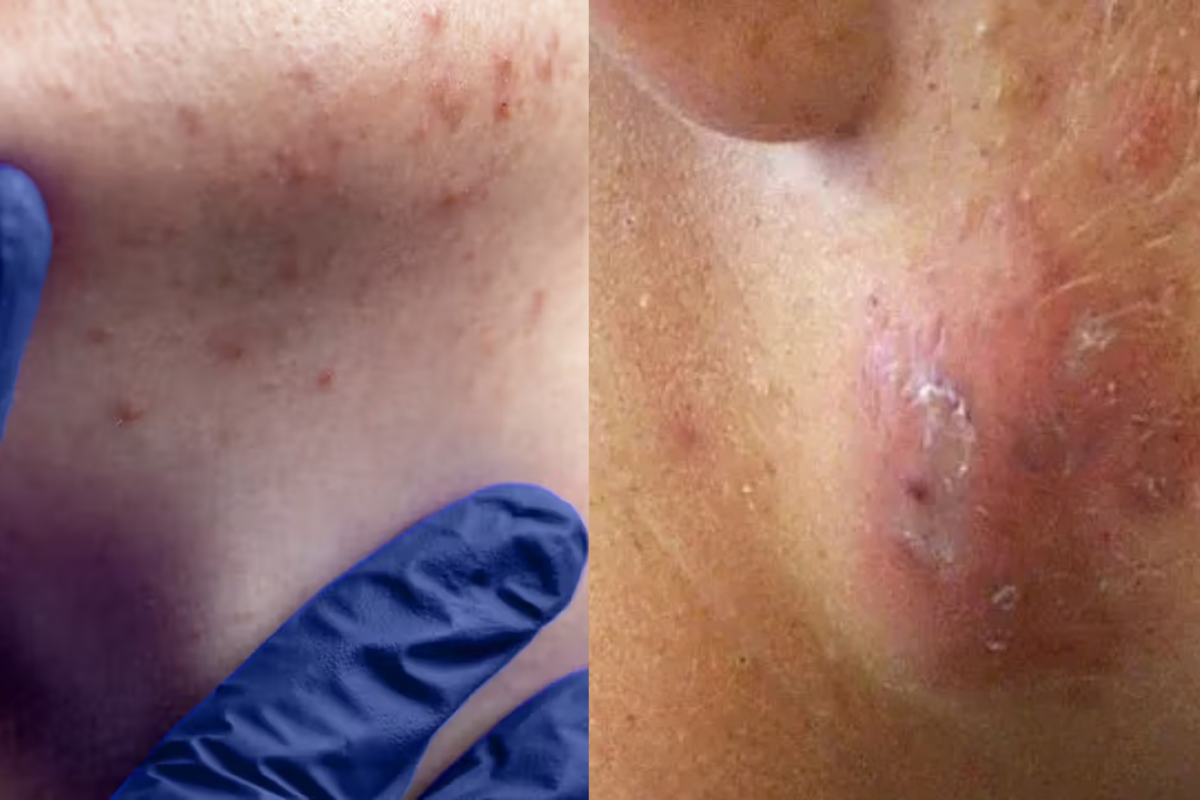
Acne is often associated with teenage years, but for many people, breakouts continue well into adulthood. One of the most common types of adult acne is hormonal acne - a condition closely linked to fluctuations in hormone levels. From painful cysts along the jawline to recurring breakouts before a menstrual cycle, hormonal acne can be frustrating and emotionally draining.
What Is Hormonal Acne?
Hormonal acne occurs when hormonal fluctuations increase oil (sebum) production in the skin. Excess oil mixes with dead skin cells and bacteria, clogging pores and causing inflammation. Unlike typical teenage acne, hormonal acne often appears in adults between their 20s and 40s and tends to follow recurring patterns.
It commonly affects:
The lower face
Jawline
Chin
Neck
Sometimes the cheeks and back
Hormonal acne can range from mild whiteheads and blackheads to painful cystic acne deep beneath the skin.
What Causes Hormonal Acne?
Hormonal acne is primarily driven by androgens, a group of hormones that includes testosterone. When androgen levels fluctuate or become elevated, the sebaceous glands produce more oil, increasing the likelihood of clogged pores and inflammation.
Common Triggers Include:
1. Menstrual Cycles
Many women notice breakouts a week or two before their period due to shifts in estrogen and progesterone levels.
2. Polyendocrine Metabolic Ovarian Syndrome (PMOS) formerly known as Polycystic Ovary Syndrome (PCOS)
PMOS can cause excess androgen production, leading to acne, irregular periods, and excessive hair growth.
3. Pregnancy
Hormonal changes during pregnancy may either improve or worsen acne depending on the individual.
4. Stress
Stress triggers cortisol production, which may indirectly stimulate oil production and worsen breakouts.
5. Menopause
Declining estrogen levels during menopause can lead to hormonal imbalances that trigger adult acne.
6. Diet and Lifestyle
High-glycemic foods, dairy products, poor sleep, and smoking may contribute to inflammation and hormonal imbalance in some individuals.
Signs of Hormonal Acne
Hormonal acne often has distinct characteristics, including:
Deep, painful cysts
Recurring breakouts in the same areas
Acne concentrated around the jawline and chin
Flare-ups linked to menstrual cycles or stress
Oily skin and inflammation
Unlike surface pimples, hormonal acne lesions are often tender and slow to heal.
Effective Treatments for Hormonal Acne
Treating hormonal acne usually requires a combination of skincare, lifestyle changes, and sometimes medical intervention.
1. Topical Treatments
Retinoids
Retinoids help unclog pores, reduce inflammation, and speed up cell turnover.
Benzoyl Peroxide
This ingredient reduces acne-causing bacteria and inflammation.
Salicylic Acid
Salicylic acid penetrates pores to remove excess oil and dead skin cells.
2. Hormonal Therapy
Birth Control Pills
Certain oral contraceptives regulate hormone fluctuations and reduce oil production.
Spironolactone
This medication blocks androgen receptors and may be prescribed for women with hormonal acne.
3. Oral Medications
Antibiotics
Short-term antibiotics may reduce inflammation and bacteria in moderate to severe cases.
Isotretinoin
For severe cystic acne, isotretinoin may be recommended under medical supervision.
4. Lifestyle Changes
Manage Stress
Practices like meditation, exercise, and quality sleep may help balance hormones.
Improve Diet
Some people benefit from reducing sugar, processed foods, and dairy intake.
Maintain a Gentle Skincare Routine
Overwashing or harsh products can irritate the skin and worsen acne.
Best Skincare Routine for Hormonal Acne
A simple, consistent routine is often most effective.
Morning
Gentle cleanser
Lightweight moisturizer
Non-comedogenic sunscreen
Night
Cleanser
Treatment product (retinoid or salicylic acid)
Moisturizer
Avoid picking or squeezing acne lesions, as this increases the risk of scarring and pigmentation.
Seek medical advice if:
Acne leaves scars
Over-the-counter products are ineffective
Breakouts are severe or cystic
You have symptoms of hormonal imbalance such as irregular periods or hair loss
Hormonal acne is a complex condition influenced by internal hormonal changes and external lifestyle factors. While it can be stubborn, patience and consistency are key, as hormonal acne often takes several weeks or months to respond to treatment.
Clear skin is possible with the right approach. Call us at 6828826060 to schedule a primary care appointment or click on the SCHEDULE NOW button on the home page here at oasisrockmedical.com
08
May
Subclinical Hypothyroidism: A Clinical Overview

Subclinical hypothyroidism is a frequently encountered endocrine disorder in clinical practice. It is often identified incidentally on routine blood tests and presents a management challenge due to its subtle nature and variable clinical significance.
What Is Subclinical Hypothyroidism?
Subclinical hypothyroidism is defined biochemically by:
Elevated thyroid-stimulating hormone (TSH)
Normal free thyroxine (T4) levels
Patients typically have no obvious symptoms or only mild, nonspecific complaints.
Pathophysiology
The condition reflects early or mild dysfunction of the thyroid gland, often due to:
Autoimmune thyroid disease, especially Hashimoto's thyroiditis
Partial thyroid failure
Recovery phase after thyroiditis
Iodine imbalance (deficiency or excess)
Epidemiology
More common in women than men
Prevalence increases with age
Seen in up to 5–10% of the general population
Higher risk in individuals with autoimmune disorders or family history of thyroid disease
Clinical Features
Most patients are asymptomatic, but some may report mild symptoms resembling overt hypothyroidism:
Fatigue
Weight gain
Cold intolerance
Constipation
Dry skin
Because these symptoms are nonspecific, diagnosis relies heavily on laboratory findings.
Diagnosis
Diagnosis is based on thyroid function tests:
Test | Finding |
TSH | Elevated (usually 4.5–10 mIU/L, sometimes higher) |
Free T4 | Normal |
Anti-thyroid peroxidase (TPO) antibodies | May be positive |
Repeat testing after 6–12 weeks is recommended to confirm persistence.
Clinical Significance
While often mild, subclinical hypothyroidism has been associated with:
Increased risk of progression to overt hypothyroidism
Cardiovascular effects (e.g., dyslipidemia)
Possible association with coronary artery disease
Neuropsychiatric symptoms in some patients
However, not all patients require treatment.
Management Approach
1. Observation (Watchful Waiting)
Appropriate for many patients:
TSH <10 mIU/L
Asymptomatic
No significant risk factors
Monitor TSH every 6–12 months.
2. Pharmacologic Treatment
Treatment with Levothyroxine is considered if:
TSH ≥10 mIU/L
Presence of symptoms
Positive TPO antibodies
Pregnancy or planning pregnancy
Cardiovascular risk factors
3. Special Populations
Pregnancy: Lower threshold for treatment due to fetal development needs
Elderly: More conservative approach due to risk of overtreatment
Children: Managed case-by-case
Potential Complications
If untreated in certain cases:
Progression to overt hypothyroidism
Lipid abnormalities
Cardiovascular risk
Reduced quality of life
Key Takeaways
Subclinical hypothyroidism is defined by high TSH with normal T4
Often asymptomatic and detected incidentally
Not all patients require treatment
Decision to treat depends on TSH level, symptoms, and risk factors
Final Thought
Subclinical hypothyroidism highlights the importance of individualized care in medicine. Rather than a one-size-fits-all approach, management should balance biochemical findings with clinical context, patient preferences, and long-term risk considerations.
27
Mar
Understanding Type 1.5 Diabetes (LADA): The Overlooked Form of Diabetes
When most people think of diabetes, they think of Type 1 or Type 2. But there’s another form that sits in between -often misunderstood and frequently misdiagnosed. It’s commonly called Type 1.5 diabetes, medically known as Latent Autoimmune Diabetes in Adults (LADA).
This blog breaks down what Type 1.5 diabetes is, how it differs from other types, symptoms to watch for, and treatment options.
What Is Type 1.5 Diabetes?
Type 1.5 diabetes is a slow-progressing autoimmune disease. Like Type 1 diabetes, the immune system attacks the insulin-producing beta cells in the pancreas. However, unlike classic Type 1, it develops gradually and typically appears in adulthood.
Because it progresses more slowly, many people are initially diagnosed with Type 2 diabetes.
Why Is It Called “Type 1.5”?
The nickname exists because LADA shares features of both major types:
Feature | Type 1 | Type 2 | Type 1.5 (LADA) |
Autoimmune? | ✅ Yes | ❌ No | ✅ Yes |
Insulin resistance? | ❌ | ✅ | Sometimes mild |
Age at diagnosis | Often childhood | Usually adults | Adults (30+) |
Immediate insulin required? | Yes | Not always | Eventually yes |
What Causes LADA?
LADA is an autoimmune condition. The body mistakenly attacks its own insulin-producing cells. Researchers believe a combination of:
Genetic susceptibility
Environmental triggers
Immune system dysfunction
may contribute to its development.
Organizations such as the American Diabetes Association recognize LADA as a distinct autoimmune form of diabetes.
Symptoms of Type 1.5 Diabetes
Symptoms may resemble Type 2 at first but gradually worsen.
Common signs include:
Increased thirst
Frequent urination
Unexplained weight loss
Fatigue
Blurred vision
Slow healing wounds
Because symptoms develop slowly, diagnosis can be delayed.
How Is It Diagnosed?
Doctors may suspect LADA if:
Blood sugar remains uncontrolled despite oral medications
The patient is not overweight
There is a personal or family history of autoimmune disease
Key Tests:
Autoantibody testing (such as GAD antibodies)
C-peptide levels (to measure insulin production)
Fasting glucose and HbA1c
The presence of specific autoantibodies confirms the autoimmune nature of the disease.
Treatment for Type 1.5 Diabetes
Unlike typical Type 2 diabetes, LADA eventually requires insulin therapy.
Early Stage:
Lifestyle changes (diet and exercise)
Sometimes oral medications
Later Stage:
Insulin injections (often within a few years of diagnosis)
Early insulin therapy may help preserve remaining beta-cell function.
Treatment plans should be individualized and monitored by an endocrinologist.
How Is It Different from Type 2 Diabetes?
Many adults with LADA are misdiagnosed with Type 2 because:
They are diagnosed after age 30
They may not initially require insulin
Symptoms progress gradually
However, treating LADA as Type 2 for too long can delay appropriate insulin therapy and lead to poor glucose control.
Living with LADA
Managing Type 1.5 diabetes involves:
Regular blood sugar monitoring
Balanced nutrition
Physical activity
Stress management
Consistent medical follow-ups