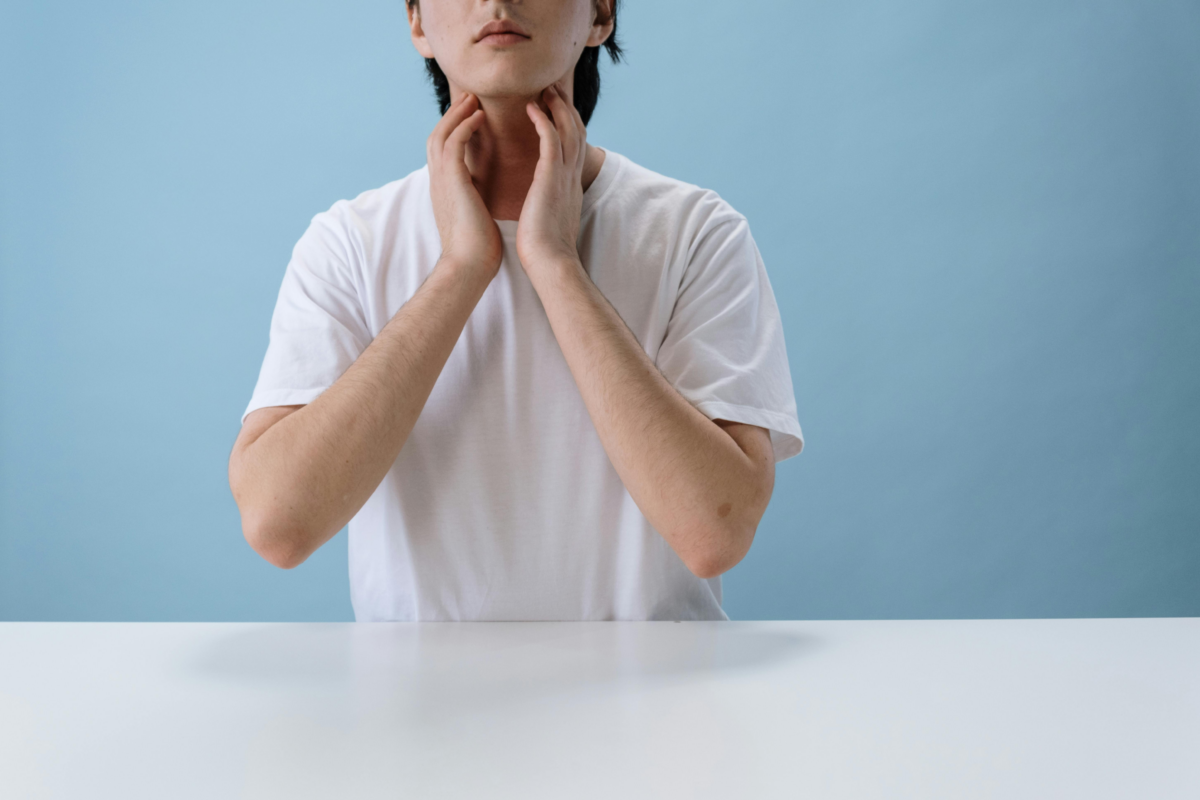
Managing Hormonal Acne

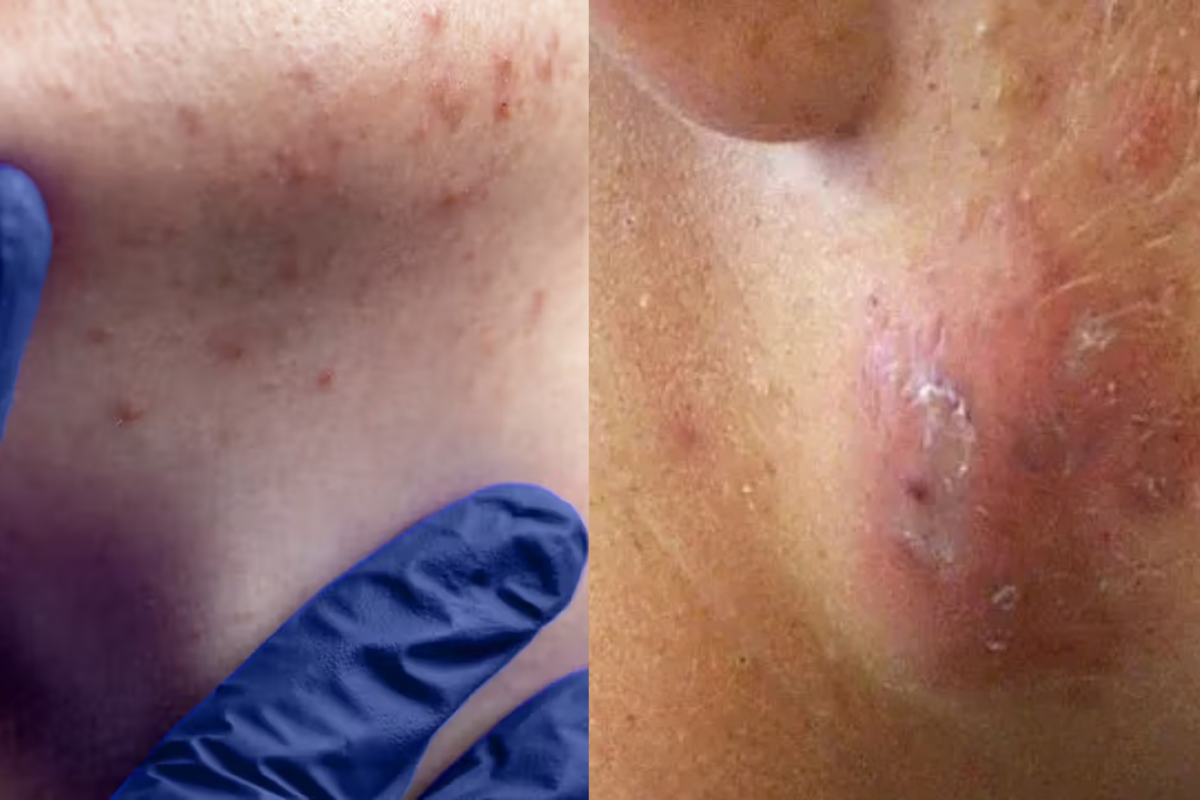
Acne is often associated with teenage years, but for many people, breakouts continue well into adulthood. One of the most common types of adult acne is hormonal acne - a condition closely linked to fluctuations in hormone levels. From painful cysts along the jawline to recurring breakouts before a menstrual cycle, hormonal acne can be frustrating and emotionally draining.
What Is Hormonal Acne?
Hormonal acne occurs when hormonal fluctuations increase oil (sebum) production in the skin. Excess oil mixes with dead skin cells and bacteria, clogging pores and causing inflammation. Unlike typical teenage acne, hormonal acne often appears in adults between their 20s and 40s and tends to follow recurring patterns.
It commonly affects:
The lower face
Jawline
Chin
Neck
Sometimes the cheeks and back
Hormonal acne can range from mild whiteheads and blackheads to painful cystic acne deep beneath the skin.
What Causes Hormonal Acne?
Hormonal acne is primarily driven by androgens, a group of hormones that includes testosterone. When androgen levels fluctuate or become elevated, the sebaceous glands produce more oil, increasing the likelihood of clogged pores and inflammation.
Common Triggers Include:
1. Menstrual Cycles
Many women notice breakouts a week or two before their period due to shifts in estrogen and progesterone levels.
2. Polyendocrine Metabolic Ovarian Syndrome (PMOS) formerly known as Polycystic Ovary Syndrome (PCOS)
PMOS can cause excess androgen production, leading to acne, irregular periods, and excessive hair growth.
3. Pregnancy
Hormonal changes during pregnancy may either improve or worsen acne depending on the individual.
4. Stress
Stress triggers cortisol production, which may indirectly stimulate oil production and worsen breakouts.
5. Menopause
Declining estrogen levels during menopause can lead to hormonal imbalances that trigger adult acne.
6. Diet and Lifestyle
High-glycemic foods, dairy products, poor sleep, and smoking may contribute to inflammation and hormonal imbalance in some individuals.
Signs of Hormonal Acne
Hormonal acne often has distinct characteristics, including:
Deep, painful cysts
Recurring breakouts in the same areas
Acne concentrated around the jawline and chin
Flare-ups linked to menstrual cycles or stress
Oily skin and inflammation
Unlike surface pimples, hormonal acne lesions are often tender and slow to heal.
Effective Treatments for Hormonal Acne
Treating hormonal acne usually requires a combination of skincare, lifestyle changes, and sometimes medical intervention.
1. Topical Treatments
Retinoids
Retinoids help unclog pores, reduce inflammation, and speed up cell turnover.
Benzoyl Peroxide
This ingredient reduces acne-causing bacteria and inflammation.
Salicylic Acid
Salicylic acid penetrates pores to remove excess oil and dead skin cells.
2. Hormonal Therapy
Birth Control Pills
Certain oral contraceptives regulate hormone fluctuations and reduce oil production.
Spironolactone
This medication blocks androgen receptors and may be prescribed for women with hormonal acne.
3. Oral Medications
Antibiotics
Short-term antibiotics may reduce inflammation and bacteria in moderate to severe cases.
Isotretinoin
For severe cystic acne, isotretinoin may be recommended under medical supervision.
4. Lifestyle Changes
Manage Stress
Practices like meditation, exercise, and quality sleep may help balance hormones.
Improve Diet
Some people benefit from reducing sugar, processed foods, and dairy intake.
Maintain a Gentle Skincare Routine
Overwashing or harsh products can irritate the skin and worsen acne.
Best Skincare Routine for Hormonal Acne
A simple, consistent routine is often most effective.
Morning
Gentle cleanser
Lightweight moisturizer
Non-comedogenic sunscreen
Night
Cleanser
Treatment product (retinoid or salicylic acid)
Moisturizer
Avoid picking or squeezing acne lesions, as this increases the risk of scarring and pigmentation.
Seek medical advice if:
Acne leaves scars
Over-the-counter products are ineffective
Breakouts are severe or cystic
You have symptoms of hormonal imbalance such as irregular periods or hair loss
Hormonal acne is a complex condition influenced by internal hormonal changes and external lifestyle factors. While it can be stubborn, patience and consistency are key, as hormonal acne often takes several weeks or months to respond to treatment.
Clear skin is possible with the right approach. Call us at 6828826060 to schedule a primary care appointment or click on the SCHEDULE NOW button on the home page here at oasisrockmedical.com