
High Blood Pressure: The Silent Threat You Shouldn’t Ignore

High Blood Pressure

High blood pressure, also known as hypertension, affects millions of people worldwide and is one of the leading causes of heart disease, stroke, kidney disease, and premature death. What makes hypertension particularly dangerous is that it often develops without noticeable symptoms, earning it the nickname "the silent killer."

What Is High Blood Pressure?

Blood pressure is the force of blood pushing against the walls of your arteries as your heart pumps. It is measured using two numbers:

  • Systolic pressure (top number): The pressure when the heart beats.
  • Diastolic pressure (bottom number): The pressure when the heart rests between beats.

A normal blood pressure reading is generally considered less than 120/80 mmHg.

Why Does High Blood Pressure Matter?

Over time, elevated blood pressure damages blood vessels and vital organs throughout the body. Uncontrolled hypertension can increase the risk of:

  • Heart attack
  • Stroke
  • Heart failure
  • Kidney disease
  • Vision problems
  • Cognitive decline and dementia

The higher your blood pressure and the longer it remains uncontrolled, the greater the risk of complications.

Common Causes and Risk Factors

Several factors can contribute to high blood pressure, including:

  • Family history of hypertension
  • Excess body weight
  • Physical inactivity
  • High sodium intake
  • Excessive alcohol consumption
  • Smoking
  • Chronic stress
  • Diabetes
  • Sleep apnea
  • Advancing age

In many cases, multiple factors work together to raise blood pressure over time.

Many people with hypertension may feel completely normal especially at the onset. However, severely elevated blood pressure may sometimes cause:

  • Headaches
  • Dizziness
  • Blurred vision
  • Chest pain
  • Shortness of breath
How Is High Blood Pressure Diagnosed?

A diagnosis is usually made after multiple elevated readings taken on different occasions. Home blood pressure monitoring can also provide valuable information and help identify patients with white-coat hypertension or masked hypertension.

Lifestyle Changes That Can Lower Blood Pressure

Lifestyle modifications can significantly improve blood pressure and overall health.

1. Reduce Sodium Intake

A low sodium diet can help lower blood pressure.

2. Maintain a Healthy Weight

Even modest weight loss can have a meaningful impact on blood pressure control.

3. Exercise Regularly

Aim for at least 150 minutes of moderate-intensity physical activity like walking each week.

4. Eat a Heart-Healthy Diet

Focus on vegetables, fruits, whole grains, lean proteins, and healthy fats.

5. Limit Alcohol

Excessive alcohol intake can raise blood pressure and increase cardiovascular risk.

6. Quit Smoking

Smoking damages blood vessels and significantly increases the risk of heart disease and stroke.

7. Manage Stress

Techniques such as meditation, deep breathing, adequate sleep, and regular physical activity can help reduce stress-related blood pressure elevations.

When Are Medications Needed?

For some individuals, lifestyle changes alone may not be enough. Blood pressure medications can effectively reduce the risk of heart attack, stroke, and other complications.

Common medication classes that help treat high blood pressure include:

  • ACE inhibitors
  • ARBs
  • Calcium channel blockers
  • Diuretics
  • Beta blockers

Your physician will determine the most appropriate treatment plan based on your overall health and individual risk factors.

Take Control of Your Health Today. If you need help with controlling your blood pressure visit us at oasisrockmedical.com/schedule or call 682 882 6060 to schedule your primary care appointment. 
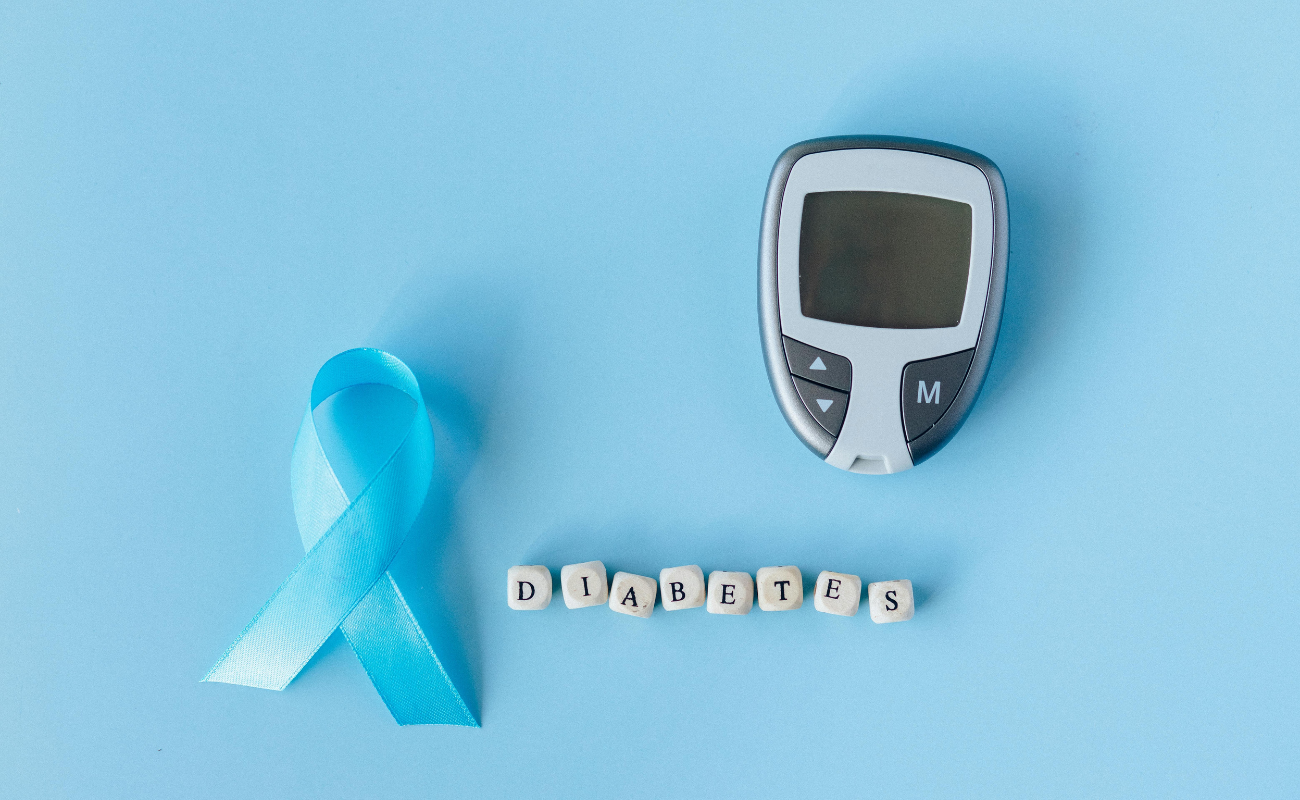
Understanding Type 1.5 Diabetes (LADA): The Overlooked Form of Diabetes

LADA

When most people think of diabetes, they think of Type 1 or Type 2. But there’s another form that sits in between -often misunderstood and frequently misdiagnosed. It’s commonly called Type 1.5 diabetes, medically known as Latent Autoimmune Diabetes in Adults (LADA).
This blog breaks down what Type 1.5 diabetes is, how it differs from other types, symptoms to watch for, and treatment options.
What Is Type 1.5 Diabetes?
Type 1.5 diabetes is a slow-progressing autoimmune disease. Like Type 1 diabetes, the immune system attacks the insulin-producing beta cells in the pancreas. However, unlike classic Type 1, it develops gradually and typically appears in adulthood.
Because it progresses more slowly, many people are initially diagnosed with Type 2 diabetes.
Why Is It Called “Type 1.5”?
The nickname exists because LADA shares features of both major types:
Feature
Type 1
Type 2
Type 1.5 (LADA)
Autoimmune?
✅ Yes
❌ No
✅ Yes
Insulin resistance?
Sometimes mild
Age at diagnosis
Often childhood
Usually adults
Adults (30+)
Immediate insulin required?
Yes
Not always
Eventually yes
What Causes LADA?
LADA is an autoimmune condition. The body mistakenly attacks its own insulin-producing cells. Researchers believe a combination of:
  • Genetic susceptibility
  • Environmental triggers
  • Immune system dysfunction
may contribute to its development.
Organizations such as the American Diabetes Association recognize LADA as a distinct autoimmune form of diabetes.
Symptoms of Type 1.5 Diabetes
Symptoms may resemble Type 2 at first but gradually worsen.
Common signs include:
  • Increased thirst
  • Frequent urination
  • Unexplained weight loss
  • Fatigue
  • Blurred vision
  • Slow healing wounds
Because symptoms develop slowly, diagnosis can be delayed.
How Is It Diagnosed?
Doctors may suspect LADA if:
  • Blood sugar remains uncontrolled despite oral medications
  • The patient is not overweight
  • There is a personal or family history of autoimmune disease
Key Tests:
  • Autoantibody testing (such as GAD antibodies)
  • C-peptide levels (to measure insulin production)
  • Fasting glucose and HbA1c
The presence of specific autoantibodies confirms the autoimmune nature of the disease.
Treatment for Type 1.5 Diabetes
Unlike typical Type 2 diabetes, LADA eventually requires insulin therapy.
Early Stage:
  • Lifestyle changes (diet and exercise)
  • Sometimes oral medications
Later Stage:
  • Insulin injections (often within a few years of diagnosis)
Early insulin therapy may help preserve remaining beta-cell function.
Treatment plans should be individualized and monitored by an endocrinologist.
How Is It Different from Type 2 Diabetes?
Many adults with LADA are misdiagnosed with Type 2 because:
  • They are diagnosed after age 30
  • They may not initially require insulin
  • Symptoms progress gradually
However, treating LADA as Type 2 for too long can delay appropriate insulin therapy and lead to poor glucose control.
Living with LADA
Managing Type 1.5 diabetes involves:
  • Regular blood sugar monitoring
  • Balanced nutrition
  • Physical activity
  • Stress management
  • Consistent medical follow-ups
With proper care, individuals with LADA can live full, healthy lives.
Final Thoughts
Type 1.5 diabetes (LADA) highlights that diabetes is not a one-size-fits-all condition. Correct diagnosis is crucial for proper treatment. If blood sugar remains difficult to control despite typical Type 2 therapies, discussing antibody testing with a healthcare provider may be important.
Contact us to schedule an appointment at oasisrockmedical.com if you think that you are having any symptoms of diabetes or call us at 6828826060 to schedule an appointment. Remember understanding your diagnosis empowers you to take control of your health; and early action makes a meaningful difference.