

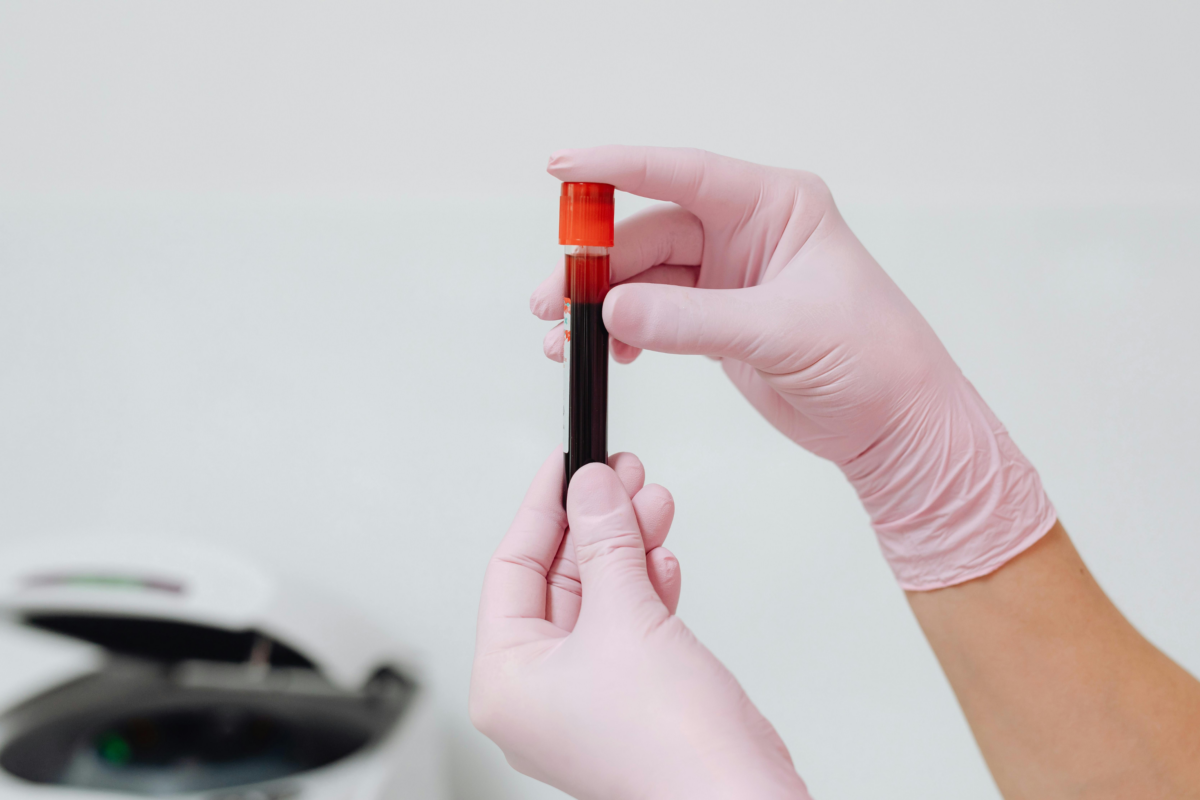
Blood tests are one of the most common tools doctors use to evaluate your health. Yet for many patients, lab reports can feel confusing and overwhelming.
While only a healthcare professional can fully interpret your results in the context of your medical history, learning the basics can make those numbers far less intimidating.
Why Blood Tests Matter
Blood tests provide valuable information about how your body is functioning. They can help detect:
- Infections
- Diabetes
- Anemia
- High cholesterol
- Liver disease
- Kidney problems
- Vitamin deficiencies
- Hormonal imbalances
- Heart disease risk
Many conditions can develop silently for years before symptoms appear, which is why routine blood work plays an important role in preventive healthcare.
Common Blood Tests Explained
Complete Blood Count (CBC)
A CBC measures different components of your blood and is often used to evaluate overall health.
Red Blood Cells (RBC)
Red blood cells carry oxygen throughout the body.
Low RBC levels may suggest:
- Anemia
- Blood loss
- Nutritional deficiencies
High RBC levels may occur with:
- Dehydration
- Smoking
- Lung disease
White Blood Cells (WBC)
White blood cells help fight infection.
High WBC counts may indicate:
- Infection
- Inflammation
- Stress
- Certain immune disorders
Low WBC counts can result from:
- Viral infections
- Bone marrow disorders
- Certain medications
Hemoglobin and Hematocrit
These values measure the oxygen-carrying capacity of your blood.
Low levels are commonly linked to anemia and fatigue.
Platelets
Platelets help your blood clot properly.
Abnormal platelet counts may increase bleeding or clotting risk.
Comprehensive Metabolic Panel (CMP)
This panel evaluates organ function, electrolyte balance, and metabolism.
Glucose
Glucose measures blood sugar levels.
High glucose may suggest:
- Prediabetes
- Diabetes
Low glucose can occur with:
- Fasting
- Certain medications
- Hormonal disorders
Kidney Function Tests
A couple of kidney function tests are:
- Creatinine
- Blood Urea Nitrogen (BUN)
Elevated levels may indicate reduced kidney function or dehydration.
Liver Enzymes
Common liver markers include:
- ALT
- AST
- Alkaline phosphatase
High levels can be associated with:
- Fatty liver disease
- Alcohol use
- Hepatitis
- Medication effects
Electrolytes
Electrolytes such as sodium and potassium are essential for nerve, muscle, and heart function.
Imbalances can affect hydration, blood pressure, and cardiac rhythm.
Lipid Panel: Understanding Cholesterol
A lipid panel measures fats in your blood and helps assess cardiovascular risk.
LDL Cholesterol (“Bad” Cholesterol)
High LDL levels can contribute to plaque buildup in arteries and increase heart disease and ischemic stroke risk.
HDL Cholesterol (“Good” Cholesterol)
HDL helps remove excess cholesterol from the bloodstream.
Higher HDL levels are generally protective.
Triglycerides
High triglycerides are linked to:
- Obesity
- Diabetes
- Poor diet
- Increased heart disease risk
Hemoglobin A1C
A1C measures your average blood sugar over the past 2–3 months.
Results may indicate:
- Normal blood sugar
- Prediabetes
- Diabetes
This test is commonly used to monitor long-term glucose control.
Thyroid Function Tests
The thyroid regulates metabolism, energy, and hormone balance.
TSH (Thyroid Stimulating Hormone)
Abnormal TSH levels may suggest:
- Hypothyroidism (underactive thyroid)
- Hyperthyroidism (overactive thyroid)
Symptoms can include fatigue, weight changes, mood changes, and temperature sensitivity.
Vitamin and Nutrient Levels
Doctors may also test for:
- Vitamin D
- Vitamin B12
- Iron
- Folate
Deficiencies can contribute to fatigue, weakness, mood changes, and nerve problems.
What “Normal Range” Really Means
One important thing to understand is that “normal” ranges are based on population averages. A slightly abnormal result does not always mean something is seriously wrong.
Factors that can influence blood test results include:
- Age
- Sex
- Medications
- Hydration
- Diet
- Exercise
- Time of day
- Recent illness
Doctors interpret lab values alongside symptoms, medical history, and physical examination findings.
How to Improve Your Blood Test Results Naturally
Healthy lifestyle changes can positively impact many lab values.
Focus on:
- Eating a balanced diet
- Exercising regularly
- Maintaining a healthy weight
- Managing stress
- Getting quality sleep
- Avoiding smoking
- Limiting alcohol intake
Regular preventive care and follow-up testing are also important. Visit us at oasisrockmedical.com/schedule or call 6828826060 to schedule your preventive care appointment today.