

Regular health screenings help detect conditions early, when they are easier to treat.
Regular screenings save lives.
Stay proactive, Stay Ahead of Your Health.
Schedule your checkups today.

Real medicine is built on science, research, patience, and trust. It works by understanding how the human body functions, identifying the root cause of disease, and applying treatments that have been carefully tested for safety and effectiveness. While some medications provide rapid relief, many treatments require time before meaningful improvements become visible.
Every person's body is unique. Factors such as age, genetics, lifestyle, existing medical conditions, and overall health influence how quickly a treatment works.
For example:
Antibiotics begin fighting bacterial infections early but should be taken for the full prescribed course.
Blood pressure medications may require several days or weeks to achieve stable control.
Diabetes medications improve blood sugar gradually alongside healthy lifestyle changes.
Antidepressants often take 2–6 weeks before their full benefits become noticeable.
Expecting immediate results can lead to frustration, unnecessary treatment changes, or stopping medication too early, reducing its effectiveness.
Medicines Work Best with Healthy Habits
Medication is only one part of the healing process. Long-term health depends on combining medical treatment with healthy daily habits, including:
Eating a balanced and nutritious diet
Exercising regularly
Getting enough sleep
Managing stress effectively
Staying hydrated
Avoiding smoking and limiting alcohol consumption
Taking medications exactly as prescribed
These habits support the body's natural healing processes and improve treatment outcomes.
Building a Partnership with Your Healthcare Provider
Good healthcare is a collaboration. Asking questions, discussing concerns, reporting side effects, and attending follow-up appointments all contribute to better outcomes. Open communication allows healthcare professionals to adjust treatment plans when necessary and provide personalized care.
Patience Is Part of Healing
Some conditions improve quickly, while others require long-term management. Progress may happen one small step at a time, and those small improvements often lead to lasting results. Patience is a mark of deep wisdom and self-control.
Medicine provides the tools, but recovery depends on consistency, patience, and informed decisions.
Final Thoughts
The next time you begin a treatment, remember this simple truth: it's medicine, not magic. There are no shortcuts to evidence-based healthcare. Follow your treatment plan, maintain healthy habits, and give your body the time it needs to heal. The best outcomes are worth the patience.

Age Group | Key Screenings | Immunizations | Notes / Frequency |
Infants (0–12 months) | - Newborn metabolic screening- Hearing & vision screening- Growth & developmental checks | - Hepatitis B- DTaP (Diphtheria, Tetanus, Pertussis)- IPV (Polio)- Hib- Rotavirus- Pneumococcal (PCV) | Frequent pediatric visits (monthly to quarterly) |
Toddlers (1–3 years) | - Developmental & autism screening- Lead screening (if at risk)- Vision screening | - MMR (Measles, Mumps, Rubella)- Varicella- Hepatitis A- Booster doses of DTaP, Hib, PCV | Annual check-ups recommended |
Children (4–12 years) | - Vision & hearing tests- BMI monitoring- Behavioral assessment | - DTaP booster- IPV booster- Annual influenza vaccine | Promote healthy habits and school readiness |
Adolescents (13–18 years) | - Mental health screening (depression/anxiety)- Substance use screening- Blood pressure | - HPV vaccine- Meningococcal vaccine- Tdap booster- Annual influenza | Confidential care and counseling important |
Young Adults (19–39 years) | - Blood pressure- Cholesterol (starting ~20 yrs)- Diabetes screening (if risk factors)- STI screening | - Influenza (annual)- HPV (if not completed)- Tdap every 10 years- COVID-19 (as recommended) | Lifestyle counseling (diet, exercise, smoking cessation) |
Middle-aged Adults (40–64 years) | - Mammogram (women ≥40–50 yrs)- PSA (men ≥40–50 yrs)- Colon cancer screening (≥45 yrs)- Diabetes screening- Lipid profile- Blood pressure | - Influenza (annual)- Tdap booster- Shingles (≥50 yrs)- Pneumococcal (select cases) | Screening frequency varies (e.g., colonoscopy every 10 years) |
Older Adults (65+ years) | - Bone density (osteoporosis)- Colon cancer (until ~75 yrs)- Vision & hearing- Cognitive screening- Fall risk assessment | - Influenza (annual)- Pneumococcal vaccines- Shingles- COVID-19 boosters | Focus on functional health and independence |

In primary care, we focus on blood pressure, cholesterol, diabetes, sleep, and exercise. But one powerful health factor is often overlooked in routine visits: love and meaningful connection.
Love isn’t just emotional. It has measurable effects on the brain, heart, immune system, and overall longevity. For family physicians and primary care providers, understanding this connection can help us treat the whole patient - not just lab values.
When someone feels emotionally connected and supported, the body responds in several important ways:
Healthy relationships reduce cortisol levels (the primary stress hormone). Lower cortisol is associated with:
Chronic stress does the opposite.
Patients in stable, supportive relationships tend to have:
Conversely, high-conflict relationships can increase cardiovascular strain.
Loneliness has been linked to:
Social connection is associated with lower inflammatory markers and better immune resilience.
Primary care is often the first place patients present with anxiety and depression.
Strong social support:
Isolation, on the other hand, is a major risk factor for mood disorders.
It’s not simply marital status - it’s relationship quality.
Supportive relationships are protective.
High-conflict or emotionally unsafe relationships can worsen:
In some cases, relationship stress presents as somatic symptoms.
We cannot prescribe love. But we can recognize connection as a protective health factor.
Encourage patients to:
In primary care, we treat hypertension, diabetes, anxiety, and insomnia every day.
But connection influences all of them.
Love lowers stress.
Love supports cardiovascular health.
Love improves immune function.
Love protects mental health.
In primary care, caring for relationships may be just as important as managing cholesterol.
This Valentine’s Day, let’s celebrate love, meaningful connections, and the powerful impact they have on our health.
Regular health screenings help detect conditions early, when they are easier to treat.
Regular screenings save lives.
Stay proactive, Stay Ahead of Your Health.
Schedule your checkups today.

Regular health screenings help detect conditions early, when they are easier to treat.
Regular screenings save lives.
Stay proactive, Stay Ahead of Your Health.
Schedule your checkups today.
Regular health screenings help detect conditions early, when they are easier to treat.
Regular screenings save lives.
Stay proactive, Stay Ahead of Your Health.
Schedule your checkups today.
Regular health screenings help detect conditions early, when they are easier to treat.
Regular screenings save lives.
Stay proactive about your health.
Stay Ahead of Your Health.
Schedule your checkups today.
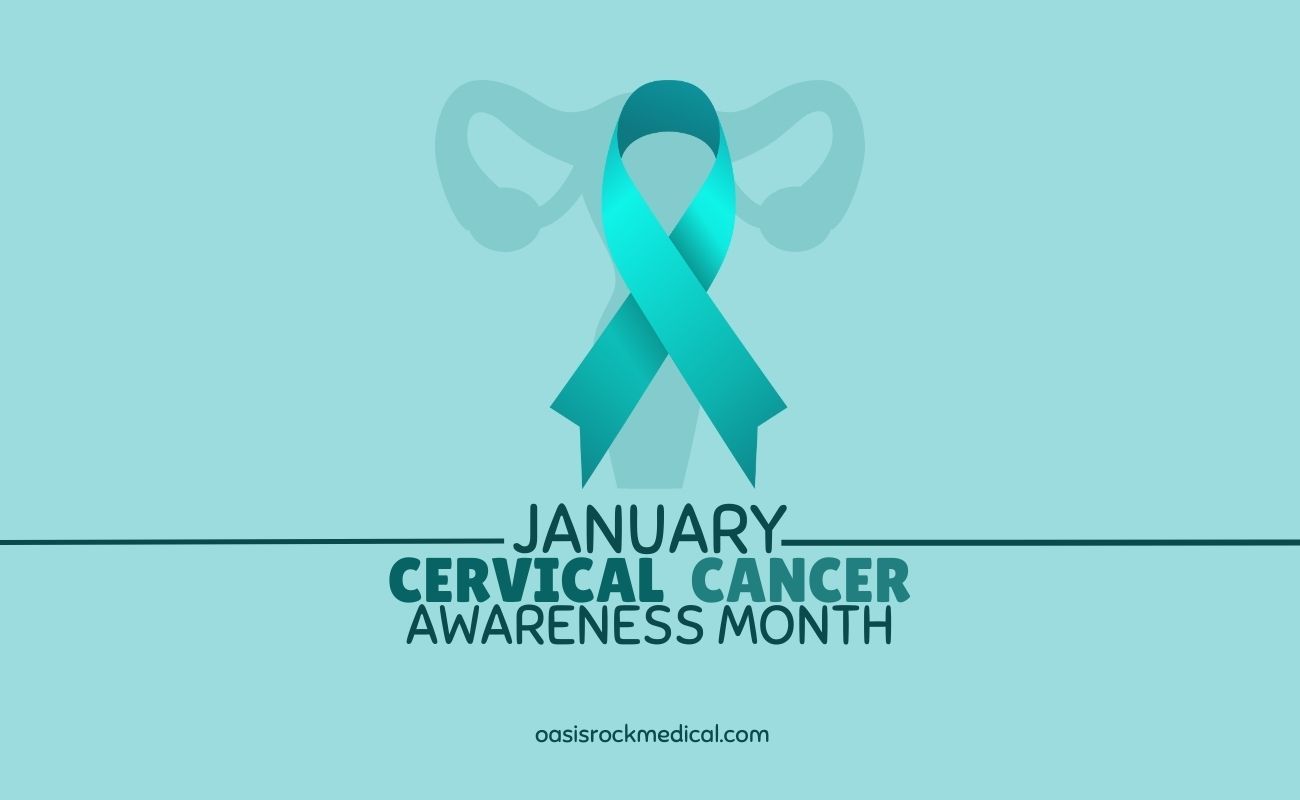
January is Cervical Cancer Awareness Month aka the perfect time to give your cervix a little extra appreciation. The good news? Cervical cancer is one of the most preventable cancers thanks to modern screening.
Why Screening Matters
Most cervical cancers are caused by HPV (human papillomavirus). HPV is very common and usually harmless but when it sticks around, it can cause cell changes. Screening finds those changes early, before cancer develops.
No symptoms? That’s normal. That’s why screening is so important.
The Newest Screening Recommendations
Start at Age 25
If you have a cervix and are at average risk, start screening at 25.
Best Test: HPV Test
HPV test every 5 years is now the preferred option
It looks directly for the virus that causes cervical cancer
New Option: Self-Collection
Some people can collect their own vaginal sample for HPV testing
This can be done in a clinic - and in some cases, at home
If the result is normal, you repeat screening in about 3 years
Other Acceptable Options
If HPV testing isn’t available:
HPV + Pap test (co-test): every 5 years
Pap test alone: every 3 years
Any screening is better than none!
When Can Screening Stop?
You can usually stop around age 65 if:
Your recent tests were normal
You’ve had regular screening over the years
Your healthcare provider can help decide what’s right for you.
What If a Test Is Abnormal?
Take a deep breath - abnormal does not always mean cancer.
Next steps may include:
A closer exam of the cervix (colposcopy)
Removing abnormal cells
More frequent follow-up testing
These steps prevent cancer from ever forming.
The Big Takeaway
Cervical cancer is highly preventable
Screening saves lives
New options make screening easier than ever
This month, do one simple thing for your health: check if you’re up to date on screening and encourage someone else to do the same.
Your cervix will thank you.
New Guidelines for cervical cancer screening were put out in late 2025. Breaking down new vs old guidelines:
Old Guidelines | New Guidelines | |
Screening Start Age | Start screening at age 21 mainly with Pap tests. | Start screening at age 25 for average-risk individuals. |
Preferred Screening Tests & Intervals | Pap test (cytology) alone: every 3 years starting at 21. Or HPV + Pap (co-test): every 5 years beginning around age HPV test alone was not deemed the main preferred option yet. | Primary HPV testing alone is now the preferred method every 5 years for ages 25–65. Self-collection of HPV sample: This is a new option that allows people to collect their own vaginal sample (at home or in the clinic, and if the result is negative, can be repeated every 3 years. Co-test (HPV + Pap) every 5 years: still acceptable if primary HPV testing isn’t available. Pap test alone: every 3 years only if other tests aren’t available. |
When to Stop Screening | Stop at 65 if prior screenings were normal over the last 10 years. | Still stop around 60–65, but with clearer criteria which include Two negative primary HPV or co-tests before age 65. Or Three negative Pap tests in a row by age 65, If HPV/co-testing is not available. |
Summary of the Breakdown
✅ Screening begins later - age 25 instead of 21 for most people.
✅ HPV testing is now preferred, not Pap smears.
✅ Self-collection for HPV is a new option, expanding access.
✅ Stopping rules are more detailed, especially around negative HPV tests.

A new year brings a fresh start and there’s no better time to focus on your health. While many people set resolutions around fitness or diet, true wellness begins with comprehensive, ongoing medical care.
At OasisRock Medical Centre, we believe “New Year, New You” is about building healthy habits that last all year long.
The start of the year is an ideal time to book a general health check-up. Routine visits help identify potential concerns early and give you a clear picture of your overall wellbeing. From blood pressure and cholesterol checks to chronic condition management, preventative care plays a key role in staying healthy and active.
At OasisRock Medical Centre, our team is committed to providing patient-centred care for individuals and families. Whether you’re managing an existing condition, updating your vaccinations, or simply wanting reassurance that your health is on track, our experienced medical professionals are here to support you.
The new year is also a great opportunity to focus on mental wellbeing, sleep, and lifestyle balance. Stress, fatigue, and burnout can quietly affect your quality of life. Our clinic takes a holistic approach to healthcare, helping patients address both physical and mental health concerns in a supportive and professional environment.
Rather than chasing short-term resolutions, we encourage setting realistic, sustainable health goals. Small steps - like regular check-ups, healthier routines, and open conversations with your doctor - can lead to lasting improvements.
This year, make your health a priority. Let OasisRock Medical Centre be your partner in health as you step into the new year feeling confident, supported, and ready to rock it!
New year. New you.
Let's rock the year with OasisRock!

Join Our Newsletter
What Is Primary Care?
Primary care is your first point of contact with the healthcare system. It includes routine checkups, screenings, vaccinations, and ongoing management of chronic conditions. More importantly, it’s about building a long-term relationship with a provider who understands your health history, lifestyle, and goals.
Prevention Starts With Consistency
Seeing a primary care provider regularly allows potential health issues to be identified early - often before they become serious or costly. Conditions like high blood pressure, diabetes, high cholesterol, and certain cancers can be managed more effectively when caught early.
Preventive care may include:
These simple steps can significantly reduce the risk of long-term complications.
Prevention Helps Cut Down on ER and Hospital Visits
For patients living with chronic conditions, primary care plays a critical role in prevention. Regular monitoring and medication management help prevent flare-ups, hospital visits, and disease progression. Instead of reacting to emergencies, primary care focuses on keeping you stable, informed, and supported.
Prevention Saves Time, Stress, and Money
Preventive care doesn’t just protect your health. It also helps reduce medical costs and time spent dealing with avoidable illnesses. A routine visit today can prevent more serious (and expensive) treatments tomorrow.
Your Partner in Lifelong Health
At OasisRock Medical Centre, we’re committed to being your partner in prevention. Our approach to primary care is centered on preventive care, education, and continuity of care, so you can live a healthier, more confident life.
Take charge of your health today by scheduling a visit with our primary care team.
👉Call 6828826060 today to book your preventive care appointment.