Periodic Screening and Immunizations Across the Lifespan

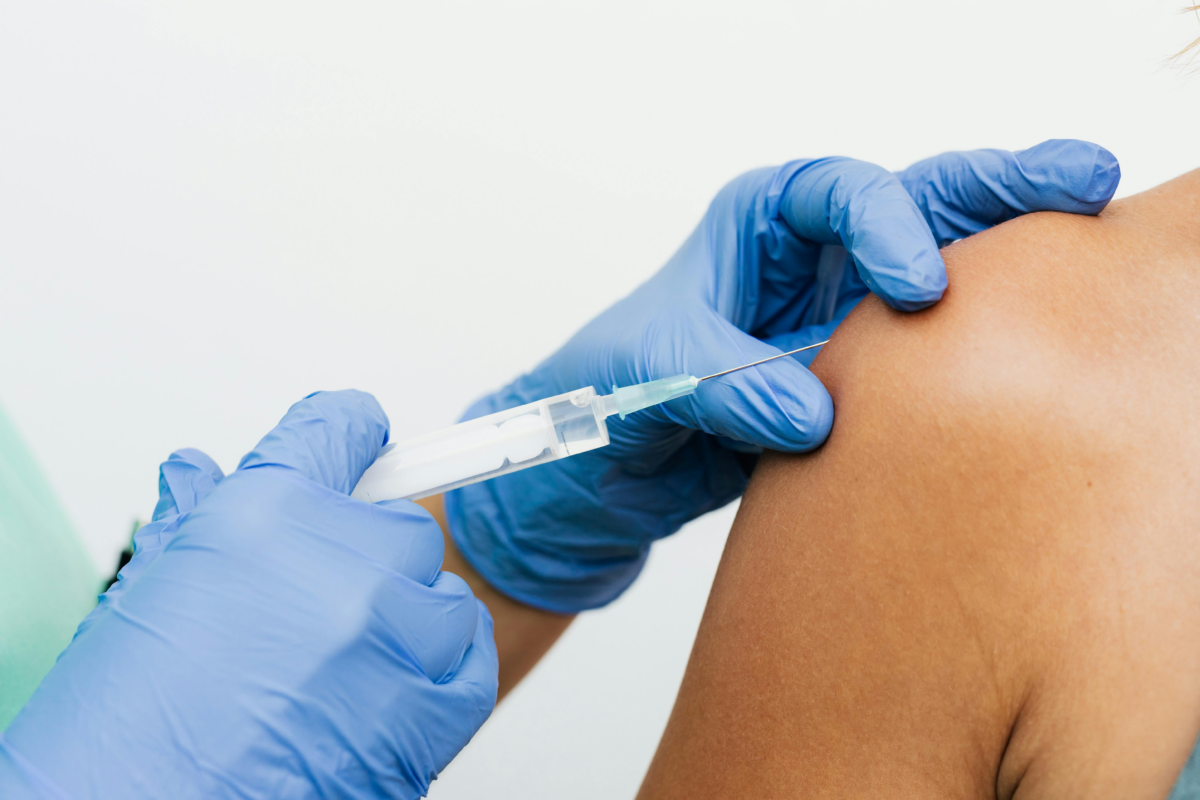
Vaccine

Preventive healthcare plays a crucial role in maintaining long-term well-being and reducing the burden of disease. Two of the most effective strategies in preventive medicine are periodic health screenings and immunizations. These interventions help detect diseases early, prevent complications, and protect both individuals and communities.
Healthcare needs evolve with age, making it essential to follow age-appropriate guidelines. Below is a simplified, practical table outlining recommended screenings and vaccines across different life stages.
Recommended Screenings and Immunizations by Age Group
Age Group
Key Screenings
Immunizations
Notes / Frequency
Infants (0–12 months)
- Newborn metabolic screening
- Hearing & vision screening
- Growth & developmental checks
- Hepatitis B
- DTaP (Diphtheria, Tetanus, Pertussis)
- IPV (Polio)
- Hib
- Rotavirus
- Pneumococcal (PCV)
Frequent pediatric visits (monthly to quarterly)
Toddlers (1–3 years)
- Developmental & autism screening
- Lead screening (if at risk)
- Vision screening
- MMR (Measles, Mumps, Rubella)
- Varicella
- Hepatitis A
- Booster doses of DTaP, Hib, PCV
Annual check-ups recommended
Children (4–12 years)
- Vision & hearing tests
- BMI monitoring
- Behavioral assessment
- DTaP booster
- IPV booster
- Annual influenza vaccine
Promote healthy habits and school readiness
Adolescents (13–18 years)
- Mental health screening (depression/anxiety)
- Substance use screening
- Blood pressure
- HPV vaccine
- Meningococcal vaccine
- Tdap booster
- Annual influenza
Confidential care and counseling important
Young Adults (19–39 years)
- Blood pressure
- Cholesterol (starting ~20 yrs)
- Diabetes screening (if risk factors)
- STI screening
- Influenza (annual)
- HPV (if not completed)
- Tdap every 10 years
- COVID-19 (as recommended)
Lifestyle counseling (diet, exercise, smoking cessation)
Middle-aged Adults (40–64 years)
- Mammogram (women ≥40–50 yrs)
- PSA (men ≥40–50 yrs)
- Colon cancer screening (≥45 yrs)
- Diabetes screening
- Lipid profile
- Blood pressure
- Influenza (annual)
- Tdap booster
- Shingles (≥50 yrs)
- Pneumococcal (select cases)
Screening frequency varies (e.g., colonoscopy every 10 years)
Older Adults (65+ years)
- Bone density (osteoporosis)
- Colon cancer (until ~75 yrs)
- Vision & hearing
- Cognitive screening
- Fall risk assessment
- Influenza (annual)
- Pneumococcal vaccines
- Shingles
- COVID-19 boosters
Focus on functional health and independence
Why Screenings Matter
  • Early Detection: Identifies diseases like cancer, diabetes, and hypertension before symptoms appear
  • Better Outcomes: Early treatment often leads to improved prognosis
  • Cost-Effective: Preventing disease is typically less expensive than treating advanced illness
Why Immunizations Are Essential
  • Disease Prevention: Protects against serious infections such as measles, influenza, and pneumonia
  • Herd Immunity: Reduces spread within communities, protecting vulnerable populations
  • Lifelong Protection: Some vaccines require boosters to maintain immunity over time
Key Takeaways
  • Preventive care is age-specific and continuous
  • Annual check-ups are essential, even when feeling healthy
  • Vaccination schedules should be reviewed regularly with a healthcare provider
  • Individual recommendations may vary based on risk factors, family history, and lifestyle
  • Visit us at oasisrockmedical.com or call 6828826060 to schedule your annual screening appointment today. 

Understanding Depression: More Than Just Feeling Sad

Depression

Depression is not simply a bad day or temporary sadness. It is a serious mental health condition that affects how a person thinks, feels, and functions in daily life. According to the World Health Organization, depression is one of the leading causes of disability worldwide.

Despite how common it is, depression is often misunderstood. So let’s explore what depression is, its symptoms, causes, and ways to seek support and healing.

What Is Depression?

Depression, clinically known as major depressive disorder, is a mood disorder characterized by persistent feelings of sadness, hopelessness, and loss of interest in activities once enjoyed.

It is different from normal grief or occasional sadness. Depression lasts for weeks or months and can significantly interfere with work, school, relationships, and physical health.

Common Symptoms of Depression

Depression affects people differently, but common symptoms include:

  • Persistent sadness, emptiness, or hopelessness

  • Loss of interest in hobbies or activities

  • Changes in appetite (eating too much or too little)

  • Sleep disturbances (insomnia or oversleeping)

  • Fatigue or low energy

  • Difficulty concentrating

  • Feelings of worthlessness or excessive guilt

  • Irritability

  • Thoughts of death or suicide

If these symptoms last more than two weeks, it may be time to seek professional help.

What Causes Depression?

Depression rarely has a single cause. It is usually a combination of factors:

1️. Biological Factors

Chemical imbalances in brain neurotransmitters such as serotonin and dopamine can play a role.

2️. Genetics

A family history of depression may increase risk.

3️. Life Events

Trauma, abuse, loss of a loved one, financial stress, or major life transitions can trigger depression.

4️. Medical Conditions

Chronic illnesses, hormonal imbalances, and certain medications can contribute.

Types of Depression

Some common types include:

  • Major depressive disorder

  • Persistent depressive disorder (dysthymia)

  • Postpartum depression

  • Seasonal affective disorder (SAD)

  • Bipolar disorder (which includes depressive episodes)

Each type may require different approaches to treatment.

How Depression Affects Daily Life

Depression impacts more than emotions. It can affect:

  • Work performance

  • Academic success

  • Relationships

  • Physical health

  • Motivation and decision-making

It often creates a cycle: low energy leads to inactivity, which increases guilt and worsens mood.

Treatment and Support

The good news is that depression is treatable.

1️. Therapy

Cognitive Behavioral Therapy (CBT) and other forms of counseling can help individuals identify negative thought patterns and build coping strategies.

2️. Medication

Antidepressants may help regulate brain chemistry when prescribed by a healthcare professional.

3️. Lifestyle Changes

  • Regular physical activity

  • Balanced nutrition

  • Healthy sleep habits

  • Limiting alcohol and substance use

4️. Social Support

Talking to trusted friends or family members can reduce feelings of isolation.

When to Seek Immediate Help

If someone is experiencing thoughts of self-harm or suicide, immediate help is essential. In many countries, crisis hotlines and emergency services are available 24/7.

In the United States, individuals can contact or text 988, the Suicide & Crisis Lifeline.

Breaking the Stigma

One of the biggest barriers to treatment is stigma. Depression is not a weakness or character flaw. It is a medical condition - just like diabetes or heart disease - and deserves compassion and care.

Open conversations about mental health help create safer, more supportive communities.

Finally,

Depression can feel overwhelming, but recovery is possible. With proper treatment, support, and understanding, many people live full and meaningful lives.

If you or someone you know may be struggling, reaching out for help is a strong and important first step. Visit us at OasisRock Medical Centre or call 6828826060 to take that first important step.