
Thyroid Awareness Month: Thyroid Testing and Primary Care in Arlington, TX

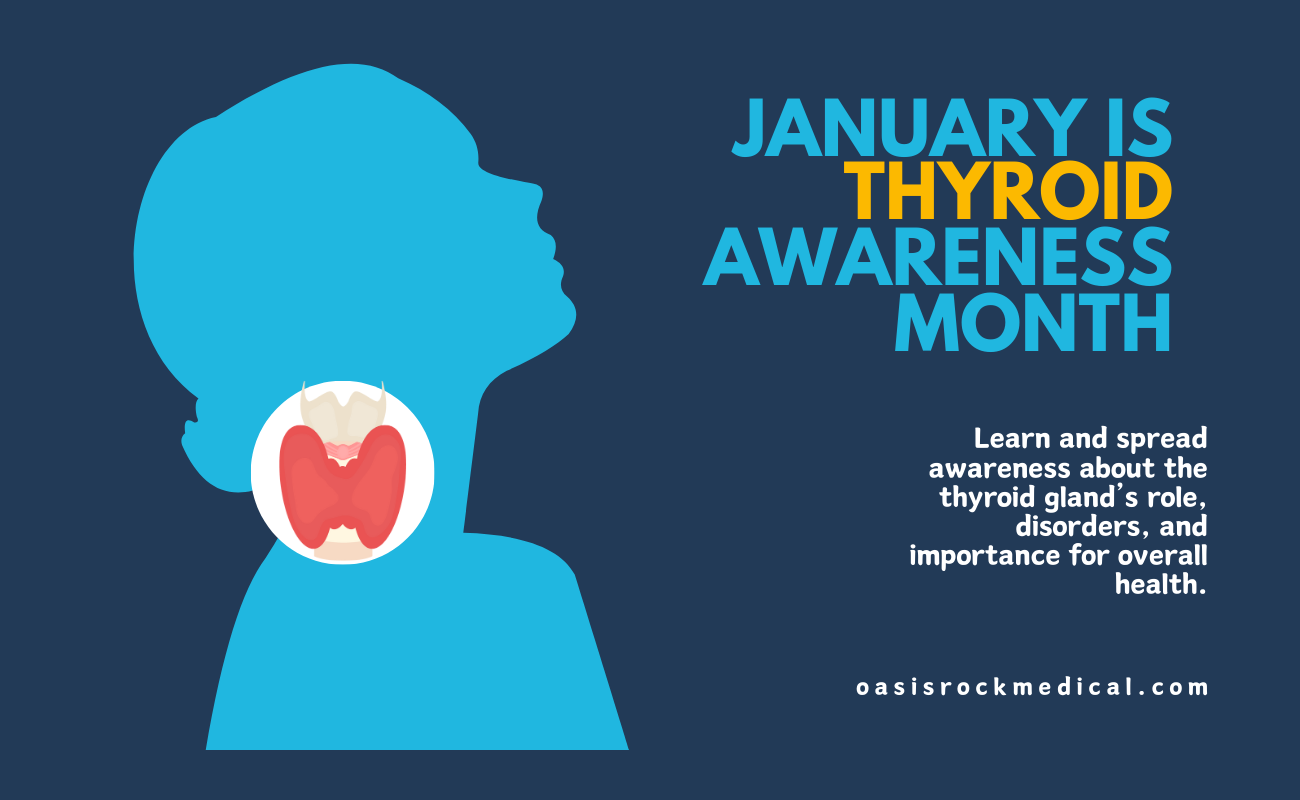
January is Thyroid Awareness Month, a time to raise awareness about thyroid health and the importance of early diagnosis. At OasisRock Medical Centre in Arlington, TX, Primary Care Physician Dr. Anozie helps patients identify and manage thyroid conditions before they lead to long-term health complications.
The thyroid gland plays a vital role in regulating metabolism, energy levels, heart rate, mood, and hormone balance. Because symptoms can be subtle, many thyroid disorders go undiagnosed for years without proper testing.
What Does the Thyroid Gland Do?
The thyroid is a small, butterfly-shaped gland located at the base of the neck. It produces hormones that influence nearly every system in the body, including:
- Metabolism and weight regulation
- Heart rate and blood pressure
- Body temperature and Digestion
- Energy levels and fatigue
- Mood, concentration and mental clarity
- Menstrual cycles and fertility
When thyroid hormone levels are too low or too high, multiple systems in the body can be affected and the body can quickly fall out of balance.
Common Thyroid Conditions We Diagnose
- Hypothyroidism (Underactive Thyroid)
Symptoms may include fatigue, weight gain, depression, cold intolerance, dry skin, and hair thinning.
- Hyperthyroidism (Overactive Thyroid)
Symptoms may include anxiety, weight loss, rapid heartbeat, heat sensitivity, tremors, and sleep disturbances.
- Hashimoto’s Thyroiditis
An autoimmune condition and the most common cause of hypothyroidism.
- Graves’ Disease
An autoimmune disorder that causes hyperthyroidism.
- Thyroid Nodules
Often benign but require proper evaluation and monitoring by a healthcare provider.
When to See Your Primary Care Physician
You should consider thyroid testing if you experience:
- Persistent fatigue
- Unexplained weight changes
- Anxiety or depression
- Hair loss or brittle nails
- Heart palpitations
- Sensitivity to heat or cold
- Irregular menstrual cycles
Supporting Thyroid Health Year-Round
In addition to medical care, supporting thyroid health may include:
- Eating a balanced, nutrient-rich diet
- Managing stress
- Getting adequate sleep
- Taking medications as prescribed
Always consult your primary care physician before starting supplements or making treatment changes.
Thyroid Awareness Month is the perfect time to take control of your health. If you’re experiencing any of the above symptoms or need routine screening, schedule an appointment with Dr. Anozie at OasisRock Medical Centre in Arlington, TX.
Early diagnosis leads to better outcomes and improved quality of life.