
Understanding Depression: More Than Just Feeling Sad

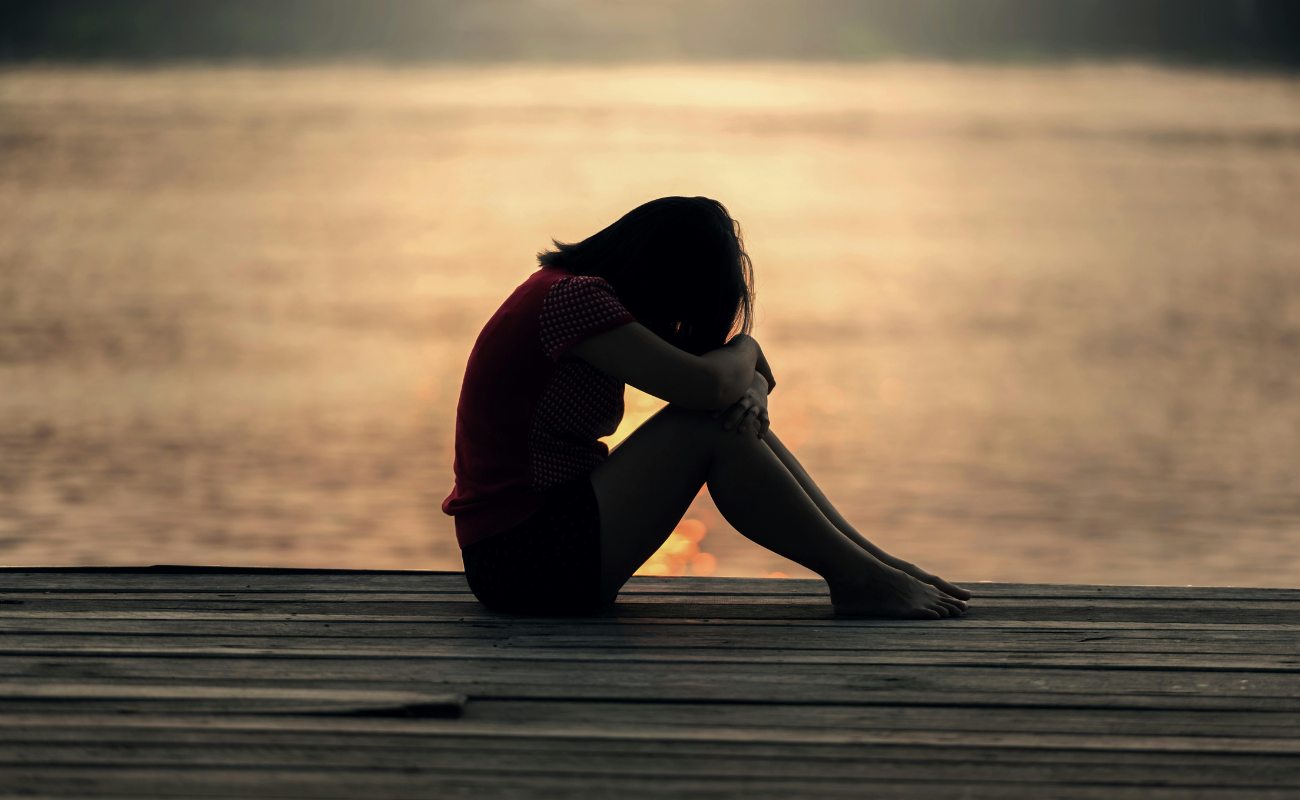
Depression is not simply a bad day or temporary sadness. It is a serious mental health condition that affects how a person thinks, feels, and functions in daily life. According to the World Health Organization, depression is one of the leading causes of disability worldwide.
Despite how common it is, depression is often misunderstood. So let’s explore what depression is, its symptoms, causes, and ways to seek support and healing.
What Is Depression?
Depression, clinically known as major depressive disorder, is a mood disorder characterized by persistent feelings of sadness, hopelessness, and loss of interest in activities once enjoyed.
It is different from normal grief or occasional sadness. Depression lasts for weeks or months and can significantly interfere with work, school, relationships, and physical health.
Common Symptoms of Depression
Depression affects people differently, but common symptoms include:
Persistent sadness, emptiness, or hopelessness
Loss of interest in hobbies or activities
Changes in appetite (eating too much or too little)
Sleep disturbances (insomnia or oversleeping)
Fatigue or low energy
Difficulty concentrating
Feelings of worthlessness or excessive guilt
Irritability
Thoughts of death or suicide
If these symptoms last more than two weeks, it may be time to seek professional help.
What Causes Depression?
Depression rarely has a single cause. It is usually a combination of factors:
1️. Biological Factors
Chemical imbalances in brain neurotransmitters such as serotonin and dopamine can play a role.
2️. Genetics
A family history of depression may increase risk.
3️. Life Events
Trauma, abuse, loss of a loved one, financial stress, or major life transitions can trigger depression.
4️. Medical Conditions
Chronic illnesses, hormonal imbalances, and certain medications can contribute.
Types of Depression
Some common types include:
Major depressive disorder
Persistent depressive disorder (dysthymia)
Postpartum depression
Seasonal affective disorder (SAD)
Bipolar disorder (which includes depressive episodes)
Each type may require different approaches to treatment.
How Depression Affects Daily Life
Depression impacts more than emotions. It can affect:
Work performance
Academic success
Relationships
Physical health
Motivation and decision-making
It often creates a cycle: low energy leads to inactivity, which increases guilt and worsens mood.
Treatment and Support
The good news is that depression is treatable.
1️. Therapy
Cognitive Behavioral Therapy (CBT) and other forms of counseling can help individuals identify negative thought patterns and build coping strategies.
2️. Medication
Antidepressants may help regulate brain chemistry when prescribed by a healthcare professional.
3️. Lifestyle Changes
Regular physical activity
Balanced nutrition
Healthy sleep habits
Limiting alcohol and substance use
4️. Social Support
Talking to trusted friends or family members can reduce feelings of isolation.
When to Seek Immediate Help
If someone is experiencing thoughts of self-harm or suicide, immediate help is essential. In many countries, crisis hotlines and emergency services are available 24/7.
In the United States, individuals can contact or text 988, the Suicide & Crisis Lifeline.
Breaking the Stigma
One of the biggest barriers to treatment is stigma. Depression is not a weakness or character flaw. It is a medical condition - just like diabetes or heart disease - and deserves compassion and care.
Open conversations about mental health help create safer, more supportive communities.
Finally,
Depression can feel overwhelming, but recovery is possible. With proper treatment, support, and understanding, many people live full and meaningful lives.
If you or someone you know may be struggling, reaching out for help is a strong and important first step. Visit us at OasisRock Medical Centre or call 6828826060 to take that first important step.