Love as Preventive Medicine

Happy Valentines Day

In primary care, we focus on blood pressure, cholesterol, diabetes, sleep, and exercise. But one powerful health factor is often overlooked in routine visits: love and meaningful connection.

Love isn’t just emotional. It has measurable effects on the brain, heart, immune system, and overall longevity. For family physicians and primary care providers, understanding this connection can help us treat the whole patient - not just lab values.

What Happens in the Body When We Feel Loved?

When someone feels emotionally connected and supported, the body responds in several important ways:

1. Stress Hormones Decrease

Healthy relationships reduce cortisol levels (the primary stress hormone). Lower cortisol is associated with:

  • Better blood pressure control
  • Improved blood sugar regulation
  • Reduced central weight gain
  • Improved sleep

Chronic stress does the opposite.

2. Blood Pressure Improves

Patients in stable, supportive relationships tend to have:

  • Lower resting blood pressure
  • Better heart rate regulation
  • Lower cardiovascular risk

Conversely, high-conflict relationships can increase cardiovascular strain.

3. The Immune System Functions Better

Loneliness has been linked to:

  • Increased inflammation
  • Higher rates of infection
  • Slower recovery from illness

Social connection is associated with lower inflammatory markers and better immune resilience.

Love and Mental Health in Primary Care

Primary care is often the first place patients present with anxiety and depression.

Strong social support:

  • Reduces depressive symptoms
  • Buffers against anxiety
  • Improves coping during life stressors

Isolation, on the other hand, is a major risk factor for mood disorders.

Relationship Quality Matters

It’s not simply marital status - it’s relationship quality.

Supportive relationships are protective.
High-conflict or emotionally unsafe relationships can worsen:

  • Hypertension
  • Insomnia
  • Anxiety
  • Headaches
  • Gastrointestinal complaints

In some cases, relationship stress presents as somatic symptoms.

Love Is Not a Prescription But It Is Preventive

We cannot prescribe love. But we can recognize connection as a protective health factor.

Encourage patients to:

  • Invest in meaningful relationships
  • Maintain regular social interaction
  • Seek help when isolated

The Clinical Bottom Line

In primary care, we treat hypertension, diabetes, anxiety, and insomnia every day.

But connection influences all of them.

Love lowers stress.
Love supports cardiovascular health.
Love improves immune function.
Love protects mental health.

In primary care, caring for relationships may be just as important as managing cholesterol. 

This Valentine’s Day, let’s celebrate love, meaningful connections, and the powerful impact they have on our health.
Diabetes: What Patients Need to Know

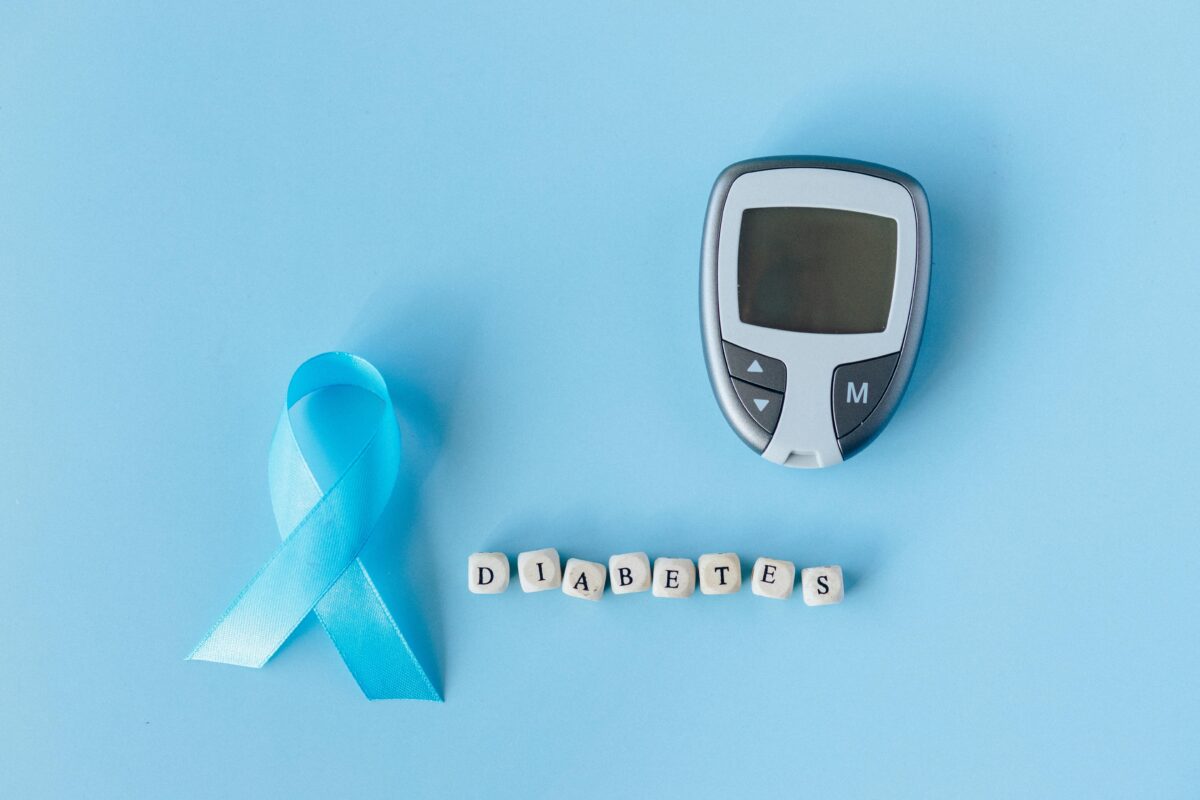
Diabetes

Diabetes

Diabetes is a chronic medical condition that affects how the body regulates blood sugar (glucose). Glucose is the body’s main source of energy, and insulin—a hormone produced by the pancreas—helps move glucose from the blood into the cells. When insulin production or function is impaired, blood sugar levels rise, leading to diabetes.

Types of Diabetes

Type 1 Diabetes: An autoimmune condition where the body produces little or no insulin. It often begins in childhood or adolescence and requires lifelong insulin therapy.

Type 2 Diabetes: The most common form. The body does not use insulin effectively or does not produce enough. It is influenced by genetics, lifestyle, and age.

Gestational Diabetes: Occurs during pregnancy and usually resolves after delivery but increases future risk of Type 2 diabetes.

Why Diabetes Matters

According to the World Health Organization, over 800 million people worldwide are living with diabetes. In the United States, about 1 in 10 adults has diabetes, and millions more have prediabetes but are undiagnosed. Early detection is critical, as uncontrolled diabetes can lead to heart disease, kidney failure, vision loss, and nerve damage.

Common Symptoms

  • Increased thirst
  • Frequent urination
  • Increased hunger (eating more than usual)
  • Fatigue
  • Blurred vision
  • Slow healing of cuts or wounds

Some patients, especially with Type 2 diabetes, may have no symptoms initially, making regular screening essential.

Management and Care

Diabetes management focuses on maintaining healthy blood sugar levels through:

  • Balanced nutrition
  • Regular physical activity
  • Blood glucose monitoring
  • Medications or insulin when prescribed

With proper medical care and lifestyle support, patients with diabetes can live healthy, active lives.

Our Commitment
At our clinic, we prioritize early diagnosis, patient education, and personalized treatment plans to help prevent complications and improve long-term outcomes.

If you have risk factors for diabetes or concerns about your blood sugar, we encourage you to schedule a screening with our healthcare team

References
World Health Organization (WHO). Diabetes Fact Sheet

Centers for Disease Control and Prevention (CDC). National Diabetes Statistics Report

American Diabetes Association (ADA). Standards of Medical Care in Diabetes

Primary Care is Preventive Care

Preventive Care

What Is Primary Care?

Primary care is your first point of contact with the healthcare system. It includes routine checkups, screenings, vaccinations, and ongoing management of chronic conditions. More importantly, it’s about building a long-term relationship with a provider who understands your health history, lifestyle, and goals.

Prevention Starts With Consistency

Seeing a primary care provider regularly allows potential health issues to be identified early - often before they become serious or costly. Conditions like high blood pressure, diabetes, high cholesterol, and certain cancers can be managed more effectively when caught early.

Preventive care may include:

  • Annual wellness exams
  • Blood pressure, cholesterol, and blood sugar screenings
  • Immunizations and booster shots
  • Women’s and men’s health screenings
  • Lifestyle counseling for nutrition, exercise, and stress management

These simple steps can significantly reduce the risk of long-term complications.

Prevention Helps Cut Down on ER and Hospital Visits

For patients living with chronic conditions, primary care plays a critical role in prevention. Regular monitoring and medication management help prevent flare-ups, hospital visits, and disease progression. Instead of reacting to emergencies, primary care focuses on keeping you stable, informed, and supported.

Prevention Saves Time, Stress, and Money

Preventive care doesn’t just protect your health. It also helps reduce medical costs and time spent dealing with avoidable illnesses. A routine visit today can prevent more serious (and expensive) treatments tomorrow.

Your Partner in Lifelong Health

At OasisRock Medical Centre, we’re committed to being your partner in prevention. Our approach to primary care is centered on preventive care, education, and continuity of care, so you can live a healthier, more confident life.

Take charge of your health today by scheduling a visit with our primary care team.

👉Call 6828826060 today to book your preventive care appointment.

Preventive Care