
GLP-1 Medications Explained: Benefits, Weight Loss, and How They Work

What Is GLP-1?
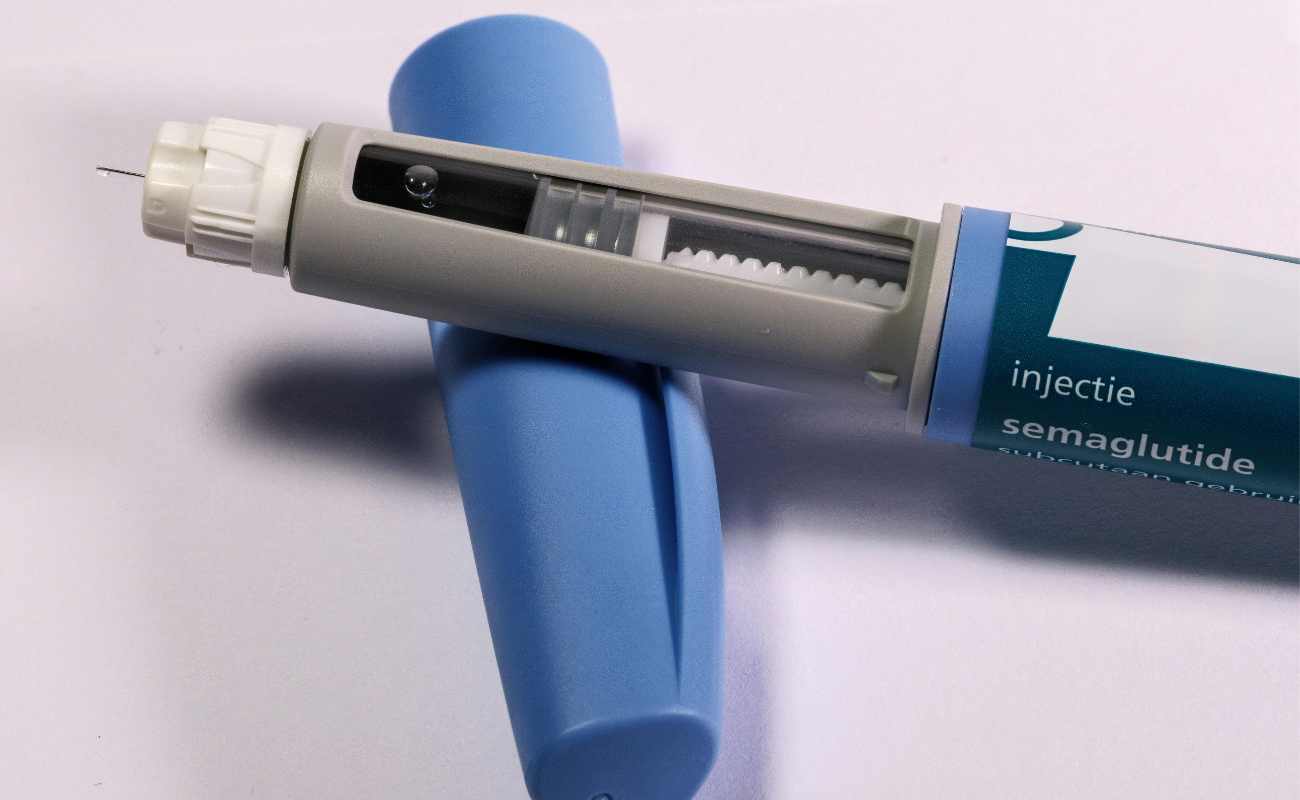
GLP-1 (Glucagon-Like Peptide-1) is a naturally occurring hormone in the body that plays a key role in blood sugar control, appetite regulation, and digestion. In recent years, GLP-1 medications have gained widespread attention for their effectiveness in weight loss and type 2 diabetes management.
Popular GLP-1 drugs such as Ozempic®, Wegovy®, Mounjaro®, and Zepbound® are now among the most searched health topics online, and for good reason.
How GLP-1 Medications Work
GLP-1 receptor agonists mimic the body’s natural GLP-1 hormone and work in three main ways:
- Reduce appetite by signaling fullness to the brain
- Slow gastric emptying, helping you feel full longer
- Improve insulin response, lowering blood sugar levels
This combination makes GLP-1 medications highly effective for sustainable weight loss and metabolic health improvement.
GLP-1 for Weight Loss: Why It’s So Effective
Clinical studies show that GLP-1 medications can help patients lose 10–20% of their body weight, depending on dosage and adherence. Unlike traditional diet pills, GLP-1 drugs target the biological drivers of hunger, not just willpower.
Key Weight Loss Benefits:
- Reduced cravings
- Better portion control
- Improved metabolic health
- Long-term weight maintenance when supervised
Because of these benefits, GLP-1 weight loss treatments are increasingly prescribed by medical professionals.
Common GLP-1 Medications
Here are some of the most well-known GLP-1 drugs:
- Semaglutide (Ozempic®, Wegovy®)
- Tirzepatide (Mounjaro®, Zepbound®)
- Liraglutide (Saxenda®, Victoza®)
Each medication varies in dosage, effectiveness, and approved use, so it’s important to consult a healthcare provider.
Are GLP-1 Medications Safe?
GLP-1 medications are FDA-approved and generally safe when prescribed appropriately. However, they may cause side effects such as:
- Nausea
- Vomiting
- Diarrhea
- Constipation
Most side effects are mild and improve over time. GLP-1 drugs may not be suitable for individuals with certain thyroid or gastrointestinal conditions.
Who Is a Good Candidate for GLP-1 Treatment?
You may be eligible for GLP-1 therapy if you:
- Have a BMI of 30+ (or 27+ with related health conditions)
- Struggle with weight loss despite diet and exercise
- Have type 2 diabetes or insulin resistance
- Want a medically supervised weight loss solution
The Future of GLP-1 and Metabolic Health
GLP-1 medications are reshaping how we approach obesity, diabetes, and metabolic disease. Ongoing research suggests future benefits in heart health, inflammation reduction, and long-term disease prevention.
As demand continues to grow, GLP-1 therapy is becoming a cornerstone of modern weight management.
Final Thoughts
GLP-1 medications represent a breakthrough in weight loss and metabolic health. By addressing hunger at a hormonal level, they offer a powerful, science-backed solution for patients seeking lasting results.
If you’re considering GLP-1 treatment, visit us at OasisRock Medical Centre to explore your options safely and effectively.