Understanding Depression: More Than Just Feeling Sad

Depression

Depression is not simply a bad day or temporary sadness. It is a serious mental health condition that affects how a person thinks, feels, and functions in daily life. According to the World Health Organization, depression is one of the leading causes of disability worldwide.

Despite how common it is, depression is often misunderstood. So let’s explore what depression is, its symptoms, causes, and ways to seek support and healing.

What Is Depression?

Depression, clinically known as major depressive disorder, is a mood disorder characterized by persistent feelings of sadness, hopelessness, and loss of interest in activities once enjoyed.

It is different from normal grief or occasional sadness. Depression lasts for weeks or months and can significantly interfere with work, school, relationships, and physical health.

Common Symptoms of Depression

Depression affects people differently, but common symptoms include:

  • Persistent sadness, emptiness, or hopelessness

  • Loss of interest in hobbies or activities

  • Changes in appetite (eating too much or too little)

  • Sleep disturbances (insomnia or oversleeping)

  • Fatigue or low energy

  • Difficulty concentrating

  • Feelings of worthlessness or excessive guilt

  • Irritability

  • Thoughts of death or suicide

If these symptoms last more than two weeks, it may be time to seek professional help.

What Causes Depression?

Depression rarely has a single cause. It is usually a combination of factors:

1️. Biological Factors

Chemical imbalances in brain neurotransmitters such as serotonin and dopamine can play a role.

2️. Genetics

A family history of depression may increase risk.

3️. Life Events

Trauma, abuse, loss of a loved one, financial stress, or major life transitions can trigger depression.

4️. Medical Conditions

Chronic illnesses, hormonal imbalances, and certain medications can contribute.

Types of Depression

Some common types include:

  • Major depressive disorder

  • Persistent depressive disorder (dysthymia)

  • Postpartum depression

  • Seasonal affective disorder (SAD)

  • Bipolar disorder (which includes depressive episodes)

Each type may require different approaches to treatment.

How Depression Affects Daily Life

Depression impacts more than emotions. It can affect:

  • Work performance

  • Academic success

  • Relationships

  • Physical health

  • Motivation and decision-making

It often creates a cycle: low energy leads to inactivity, which increases guilt and worsens mood.

Treatment and Support

The good news is that depression is treatable.

1️. Therapy

Cognitive Behavioral Therapy (CBT) and other forms of counseling can help individuals identify negative thought patterns and build coping strategies.

2️. Medication

Antidepressants may help regulate brain chemistry when prescribed by a healthcare professional.

3️. Lifestyle Changes

  • Regular physical activity

  • Balanced nutrition

  • Healthy sleep habits

  • Limiting alcohol and substance use

4️. Social Support

Talking to trusted friends or family members can reduce feelings of isolation.

When to Seek Immediate Help

If someone is experiencing thoughts of self-harm or suicide, immediate help is essential. In many countries, crisis hotlines and emergency services are available 24/7.

In the United States, individuals can contact or text 988, the Suicide & Crisis Lifeline.

Breaking the Stigma

One of the biggest barriers to treatment is stigma. Depression is not a weakness or character flaw. It is a medical condition - just like diabetes or heart disease - and deserves compassion and care.

Open conversations about mental health help create safer, more supportive communities.

Finally,

Depression can feel overwhelming, but recovery is possible. With proper treatment, support, and understanding, many people live full and meaningful lives.

If you or someone you know may be struggling, reaching out for help is a strong and important first step. Visit us at OasisRock Medical Centre or call 6828826060 to take that first important step.

Love as Preventive Medicine

Happy Valentines Day

In primary care, we focus on blood pressure, cholesterol, diabetes, sleep, and exercise. But one powerful health factor is often overlooked in routine visits: love and meaningful connection.

Love isn’t just emotional. It has measurable effects on the brain, heart, immune system, and overall longevity. For family physicians and primary care providers, understanding this connection can help us treat the whole patient - not just lab values.

What Happens in the Body When We Feel Loved?

When someone feels emotionally connected and supported, the body responds in several important ways:

1. Stress Hormones Decrease

Healthy relationships reduce cortisol levels (the primary stress hormone). Lower cortisol is associated with:

  • Better blood pressure control
  • Improved blood sugar regulation
  • Reduced central weight gain
  • Improved sleep

Chronic stress does the opposite.

2. Blood Pressure Improves

Patients in stable, supportive relationships tend to have:

  • Lower resting blood pressure
  • Better heart rate regulation
  • Lower cardiovascular risk

Conversely, high-conflict relationships can increase cardiovascular strain.

3. The Immune System Functions Better

Loneliness has been linked to:

  • Increased inflammation
  • Higher rates of infection
  • Slower recovery from illness

Social connection is associated with lower inflammatory markers and better immune resilience.

Love and Mental Health in Primary Care

Primary care is often the first place patients present with anxiety and depression.

Strong social support:

  • Reduces depressive symptoms
  • Buffers against anxiety
  • Improves coping during life stressors

Isolation, on the other hand, is a major risk factor for mood disorders.

Relationship Quality Matters

It’s not simply marital status - it’s relationship quality.

Supportive relationships are protective.
High-conflict or emotionally unsafe relationships can worsen:

  • Hypertension
  • Insomnia
  • Anxiety
  • Headaches
  • Gastrointestinal complaints

In some cases, relationship stress presents as somatic symptoms.

Love Is Not a Prescription But It Is Preventive

We cannot prescribe love. But we can recognize connection as a protective health factor.

Encourage patients to:

  • Invest in meaningful relationships
  • Maintain regular social interaction
  • Seek help when isolated

The Clinical Bottom Line

In primary care, we treat hypertension, diabetes, anxiety, and insomnia every day.

But connection influences all of them.

Love lowers stress.
Love supports cardiovascular health.
Love improves immune function.
Love protects mental health.

In primary care, caring for relationships may be just as important as managing cholesterol. 

This Valentine’s Day, let’s celebrate love, meaningful connections, and the powerful impact they have on our health.

Prostate Cancer: Symptoms, Screening, and Treatment Options

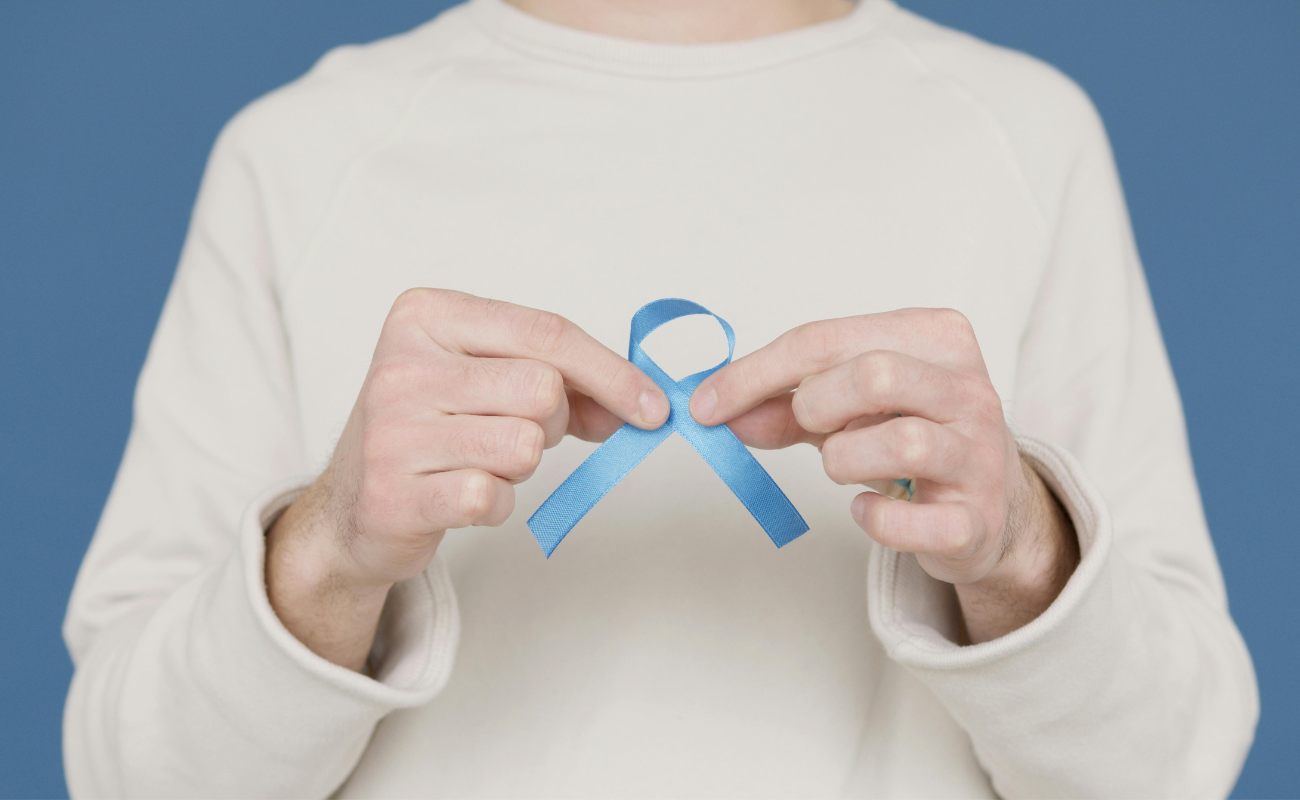
prostate cancer

Prostate cancer is one of the most common cancers in men. While hearing the word “cancer” can be alarming, many prostate cancers grow slowly and are highly treatable - especially when detected early.

What Is Prostate Cancer?

Prostate cancer develops in the prostate, a small walnut-sized gland, below the bladder that helps produce semen. As men age, changes in the prostate are common, and in some cases, cancer can form.

Who Is at Risk?

You may be at higher risk for prostate cancer if you:

  • Are over age 50
  • Have a family history of prostate cancer
  • Are Black, as risk and aggressiveness are higher
  • Have obesity or limited physical activity

Symptoms of Prostate Cancer

Early prostate cancer often causes no symptoms, which is why screening matters. When symptoms occur, they may include:

  • Difficulty urinating or weak urine stream
  • Frequent urination, especially at night
  • Blood in urine or semen
  • Pelvic, hip, or lower back pain- seen more in advanced cases

These symptoms can also be caused by non-cancerous prostate conditions, but they should always be evaluated.

Prostate Cancer Screening

Screening may include:

  • PSA (Prostate-Specific Antigen) blood test
  • Digital rectal exam (DRE)

Screening decisions are individualized based on age, risk factors, and overall health. A conversation with your provider helps determine what’s right for you.

Diagnosis and Treatment

If prostate cancer is suspected, additional testing such as imaging or biopsy may be recommended. Treatment options vary and may include:

  • Active surveillance
  • Surgery
  • Radiation therapy
  • Hormone therapy

Many men with prostate cancer live long, healthy lives with proper monitoring and care.

When to See a Provider

You should talk to a medical professional about prostate health if you:

  • Are over 50 (or over 45 with risk factors)
  • Have urinary symptoms
  • Have a family history of prostate cancer
  • Want to discuss screening options

Take the Next Step

Early detection saves lives. If you have questions about prostate cancer screening or symptoms, our team is here to help.

Schedule an appointment with OasisRock Medical today to discuss your prostate health and screening options.

GLP-1 Medications Explained: Benefits, Weight Loss, and How They Work

What Is GLP-1?

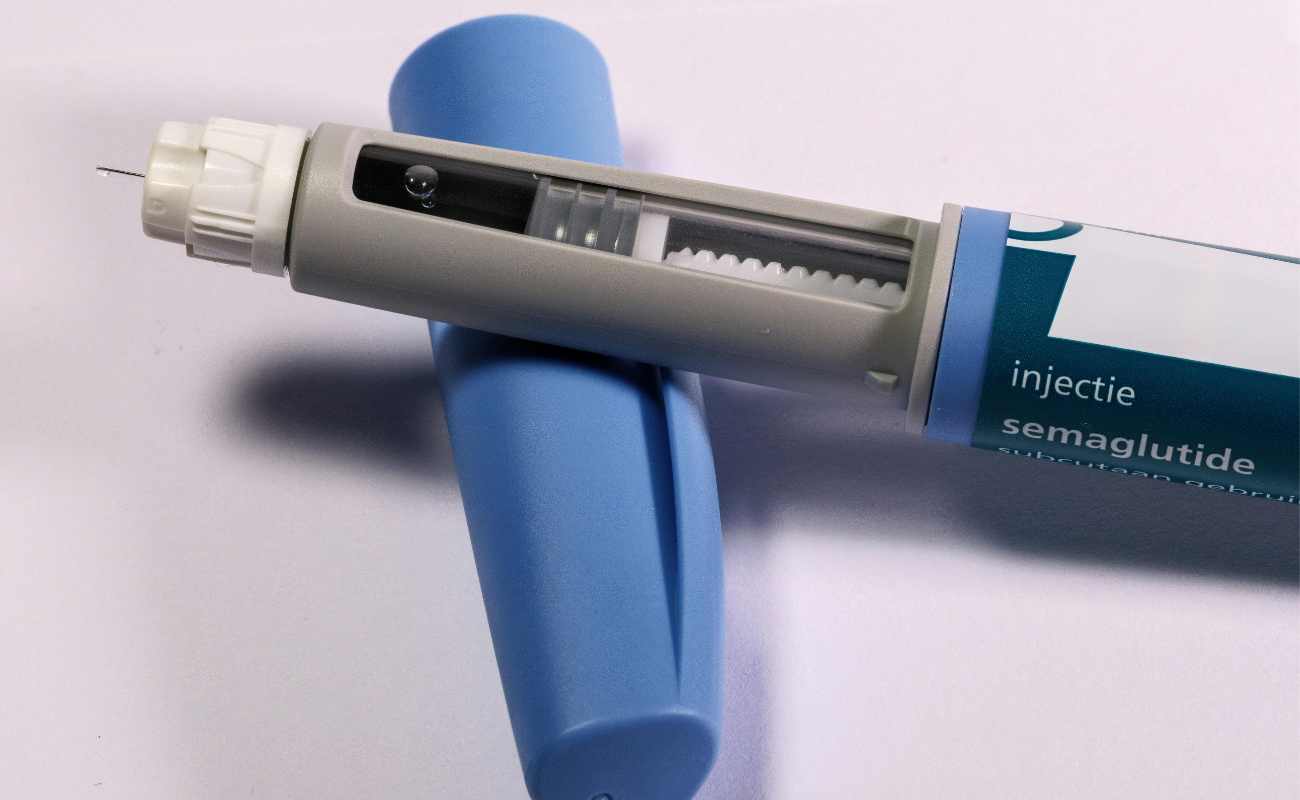
GLP-1 (Glucagon-Like Peptide-1) is a naturally occurring hormone in the body that plays a key role in blood sugar control, appetite regulation, and digestion. In recent years, GLP-1 medications have gained widespread attention for their effectiveness in weight loss and type 2 diabetes management.

Popular GLP-1 drugs such as Ozempic®, Wegovy®, Mounjaro®, and Zepbound® are now among the most searched health topics online, and for good reason.

How GLP-1 Medications Work

GLP-1 receptor agonists mimic the body’s natural GLP-1 hormone and work in three main ways:

  • Reduce appetite by signaling fullness to the brain
  • Slow gastric emptying, helping you feel full longer
  • Improve insulin response, lowering blood sugar levels

This combination makes GLP-1 medications highly effective for sustainable weight loss and metabolic health improvement.

GLP-1 for Weight Loss: Why It’s So Effective

Clinical studies show that GLP-1 medications can help patients lose 10–20% of their body weight, depending on dosage and adherence. Unlike traditional diet pills, GLP-1 drugs target the biological drivers of hunger, not just willpower.

Key Weight Loss Benefits:

  • Reduced cravings
  • Better portion control
  • Improved metabolic health
  • Long-term weight maintenance when supervised

Because of these benefits, GLP-1 weight loss treatments are increasingly prescribed by medical professionals.

Common GLP-1 Medications

Here are some of the most well-known GLP-1 drugs:

  • Semaglutide (Ozempic®, Wegovy®)
  • Tirzepatide (Mounjaro®, Zepbound®)
  • Liraglutide (Saxenda®, Victoza®)

Each medication varies in dosage, effectiveness, and approved use, so it’s important to consult a healthcare provider.

Are GLP-1 Medications Safe?

GLP-1 medications are FDA-approved and generally safe when prescribed appropriately. However, they may cause side effects such as:

  • Nausea
  • Vomiting
  • Diarrhea
  • Constipation

Most side effects are mild and improve over time. GLP-1 drugs may not be suitable for individuals with certain thyroid or gastrointestinal conditions.

Who Is a Good Candidate for GLP-1 Treatment?

You may be eligible for GLP-1 therapy if you:

  • Have a BMI of 30+ (or 27+ with related health conditions)
  • Struggle with weight loss despite diet and exercise
  • Have type 2 diabetes or insulin resistance
  • Want a medically supervised weight loss solution

The Future of GLP-1 and Metabolic Health

GLP-1 medications are reshaping how we approach obesity, diabetes, and metabolic disease. Ongoing research suggests future benefits in heart health, inflammation reduction, and long-term disease prevention.

As demand continues to grow, GLP-1 therapy is becoming a cornerstone of modern weight management.

Final Thoughts

GLP-1 medications represent a breakthrough in weight loss and metabolic health. By addressing hunger at a hormonal level, they offer a powerful, science-backed solution for patients seeking lasting results.

If you’re considering GLP-1 treatment, visit us at OasisRock Medical Centre to explore your options safely and effectively.