

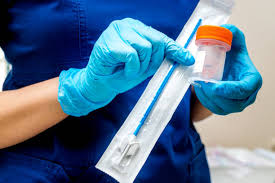
Papsmear
A Pap smear – also known as a Pap test – is a simple, routine procedure that can detect early signs of cervical cancer. While quick and often painless, this screening tool can be life-saving. According to guidelines from the American College of Obstetricians and Gynecologists (ACOG) and the Centers for Disease Control and Prevention (CDC), regular Pap smears are an essential part of preventive health care for women.
In this blog, Dr Eberechi Anozie, DO, will break down what Pap smears are, why they matter, and what the latest screening recommendations say.
What Is a Pap Smear?
A Pap smear is a test that collects cells from the cervix – the lower, narrow part of the uterus – to check for changes that could lead to cervical cancer. It’s usually performed during a routine pelvic exam.
The test looks specifically for precancerous or abnormal cells caused most often by the human papillomavirus (HPV), a common sexually transmitted infection. Detecting and treating these abnormal cells early can prevent cervical cancer from developing.
Why Are Pap Smears Important?
Cervical cancer used to be one of the most common causes of cancer-related deaths among women in the U.S. But thanks to widespread Pap screening, both the number of new cases and deaths have decreased significantly.
According to Dr Eberechi Anozie, regular Pap smear screenings are an essential part of preventive care for women, even if they feel healthy and have no symptoms.
Pap smears can:
- Detect precancerous changes before symptoms appear
- Help ensure early treatment, which is often more effective
- Reduce the risk of developing invasive cervical cancer
When Should You Start Getting Pap Smears?
Both ACOG and the CDC provide clear guidelines for when and how often women should be screened:
Ages 21–29:
- Start screening at age 21, regardless of sexual activity
- Get a Pap smear every 3 years
- HPV testing is not routinely recommended in this age group unless Pap results are abnormal
Ages 30–65:
You have a few options:
- Pap smear every 3 years, or
- HPV test alone every 5 years, or
- Co-testing (Pap + HPV) every 5 years
The choice may depend on your personal health history and your provider’s recommendation.
Over age 65:
You may stop screening if:
- You’ve had 3 consecutive normal Pap tests or
- 2 normal co-tests within the past 10 years
- And you’ve had no abnormal results in the past 10 years
Women with a history of cervical cancer, HIV, weakened immune systems, or who were exposed to DES (diethylstilbestrol) before birth may need more frequent screening.
Does the HPV Vaccine Change the Guidelines?
Even if you’ve received the HPV vaccine, routine Pap smears are still recommended. The vaccine protects against many—but not all—types of HPV that cause cervical cancer. Screening is still the best way to catch any abnormalities early.
What to Expect During a Pap Smear
The test usually takes just a few minutes:
- You’ll lie on an exam table and place your feet in stirrups.
- A speculum is inserted into the vagina to gently open it.
- Your provider uses a small brush or spatula to collect cells from the cervix.
- The sample is sent to a lab for analysis.
Some mild cramping or spotting may occur afterward, but serious discomfort is uncommon.
Tips Before Your Appointment
- Avoid douching, vaginal creams, or intercourse for 24–48 hours before the test
- Schedule the test when you’re not on your period for the most accurate results
- Wear comfortable clothing and try to relax during the exam
Bottom Line
Routine Pap smears are one of the most effective tools we have to prevent cervical cancer. Following the screening schedule recommended by ACOG and the CDC can help catch changes early—long before they become life-threatening.
If you’re due for a Pap smear, or unsure when your last one was, or if you have questions or concerns about Pap smears, talk to Dr Eberechi Anozie at OasisRock Medical Centre, give us a call 682 882 6060. Your future self will thank you.

Need a Pap? But no health insurance. We’ve got you covered. Taking care of your health should be simple and affordable. Call us to schedule your low cost pap only visit at $85. Only for a limited time.
Sources:
American College of Obstetricians and Gynecologists (ACOG): www.acog.org
Centers for Disease Control and Prevention (CDC): www.cdc.gov